





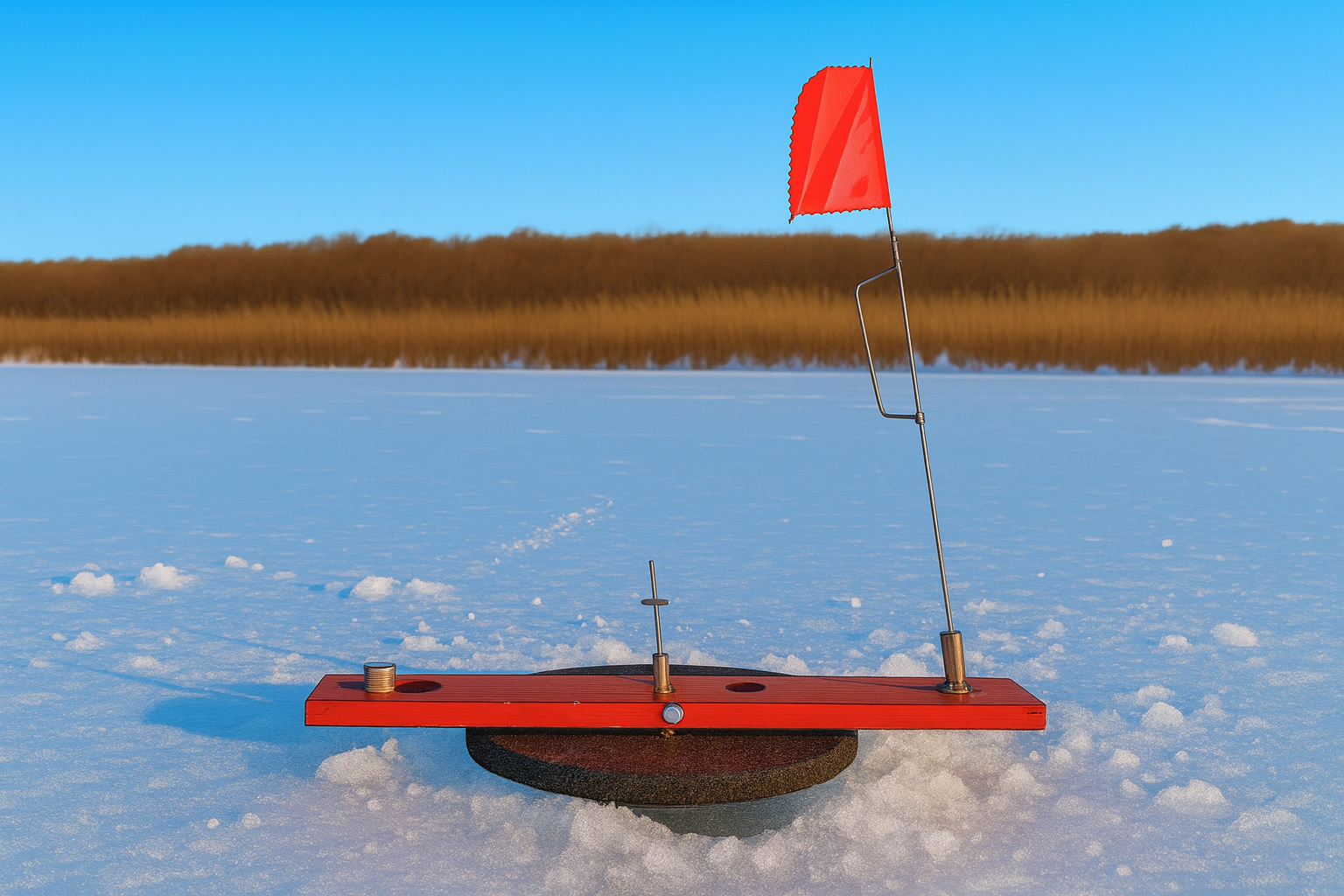
Ice fishing tip ups are one of those pieces of gear that completely change how you fish through the ice. Instead of standing over a single hole all day, you can spread out across the lake and cover way more water.
Set a few tip ups in different spots, then sit back and wait for the flags to pop. It’s a more relaxed way to fish, and it’s especially effective for targeting bigger species like pike, walleye, and lake trout that cruise around looking for an easy meal.
Stick around and see why these are the six best options for making ice fishing a little bit easier.
-
Best Overall – Frabill Pro Thermal Tip-Up
-
Best Runner Up – Frabill Arctic Fire Tip Up
-
Best Wooden Ice Fishing Tip Up – Beaver Dam Ice Fishing Tip Up
-
Best Plastic Tip Up – Celsius Sbtu-50 Plastic Tip Up
-
Best For The Money – Frabill 1674 Blackhawk Assault Tip Up
-
Best For Extreme Temps – Freeze Proof Tip Up With Indicator Light
The Best Ice Fishing Tip Ups: 6 Expert Picks

Specs
- Material: Plastic
- Line Capacity: 50 yards
- Pre-Spooled? Yes
Pros
- The insulated hole cover prevents the hole from freezing over
- The long 20-inch flag shaft is easy to see if you walk away from the hole
- Dual trip settings give you options
Cons
- An overly sensitive trip makes setting it difficult
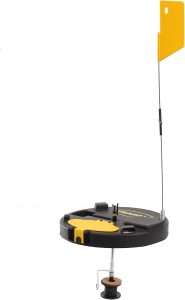
If you’re looking for a tip up that’ll keep working all day without your hole turning into a slushy mess, this is it. The Frabill Pro Thermal uses that round disc design to sit right over your hole and stop it from freezing back up. You won’t waste time re-drilling or clearing ice—just set it and move on to the next spot.
That 20-inch flag shaft is tall enough that you’ll spot it from pretty much anywhere on the ice. You can also adjust the sensitivity depending on what you’re after. Going for bass or trout? Crank it up. Targeting walleye or pike? Give them some room to run before the flag pops.
Everything comes apart on this model, which makes cleaning and storage way easier. No rusty shafts if you take care of it. The downside is that removable parts sometimes mean more spots where things can break or wear out over time.
It arrives pre-spooled with line and includes depth finders plus markers. Whether you’re just starting out or you’ve been doing this for years, it’s tough to beat. Frabill knows what they’re doing with ice gear.
Best Runner Up: Frabill Arctic Fire Tip Up
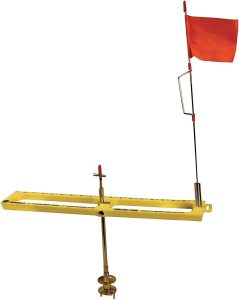
This is one of those classic-style tip ups that just works. The base is molded plastic with a built-in ruler so you know you’re drilling the right size hole. Those tapered rails make a real difference when you’re yanking it out of frozen slush—it doesn’t fight you nearly as much.
You get dual trip settings here too, so you can run multiple tip ups with different sensitivities if you want to cover more ground. Switch up your baits and see what’s biting. The 100-yard line capacity means you’re not going to run short even if something big decides to take off on you.
My only real gripe is the flag. It’s only 17.5 inches tall, so when it’s set, it sits pretty low. If you’re more than 30 feet away, it’s tough to tell if it’s tripped or still waiting. You’ll find yourself walking over just to check.
If you don’t care about the insulated hole cover and you want a straightforward, no-frills tip up, this one’s your pick. Reliable and gets the job done every time.

Specs
- Material: Plastic
- Line Capacity: 100 yards
- Pre-Spooled? No
Pros
- Dual trip settings
- Tapered rails for easy removal
- Large line capacity
Cons
- Flag shaft could be longer
Best Cheap Option: Frabill 1674 Blackhawk Assault Tip Up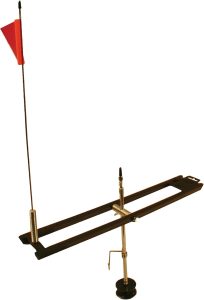

You don’t need to drop a ton of cash to get a solid tip up, and this one proves it. It comes with low-temp lubricant already applied and a bait clip that helps the trigger work more accurately. You still get dual trip settings and a removable spool shaft like the pricier models.
One thing I actually prefer about this model is the flag height when it’s set. It sits lower than some others, so you’re not constantly thinking it’s already gone off when it hasn’t. Makes checking your holes less of a guessing game.
The trade-off for the lower price is the plastic spool instead of brass. It’ll hold up for a while, then eventually crack or chip in the cold. That’s just what happens. I’d use this one for panfish, crappie, and perch—fish that aren’t going to put a ton of stress on the gear.
Save your heavier rod setup for pike and bigger fish. For the price, it’s still a smart buy if you’re outfitting multiple holes without breaking the bank.
Specs
- Material: Plastic
- Line Capacity: 100 yards
- Pre-Spooled? No
Pros
- Comes with low-temp lubricant
- Removable spool shaft
- Dual trip settings gives you options
Cons
- Plastic spool instead of brass
Best Wooden Tip Up: Beaver Dam Original Tip Up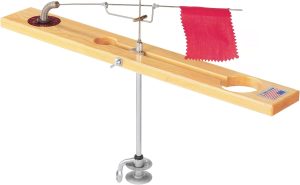

If you want something built to last decades, this is what you’re looking for. Every Beaver Dam tip up is handcrafted in the U.S. from hardwood, and you can tell the difference the second you pick one up. The spool and shaft are all metal, and the tube comes packed with low-temp lubricant so everything runs smooth no matter how cold it gets. The flag measures 17.5 inches.
The cradle sits deeper than what you’ll find on most other models. That means it’s a little less touchy, which I actually appreciate. Combined with the smooth bearings in the spool, you get fewer false positives. When this flag pops, you know there’s something real on the other end.
Make sure you pair this with quality line—it’d be a shame to cheap out there when the rest of the setup is this solid. Yeah, it’s going to cost you two or three times what the others do, but you’re buying the last tip up you’ll ever need. It’s an investment that pays off if you’re serious about ice fishing.
Specs
- Material: Clear wood
- Line Capacity: 50 yards
- Pre-Spooled? No
Pros
- Handcrafted
- Very durable
- Consistent triggering
Cons
- More expensive than other options
Best For Extreme Temperatures: Frabill Freeze Proof Tip Up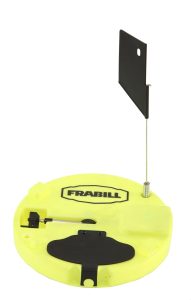

Right off the bat, you need to know this thing is touchy. It’ll trip on you while you’re setting it up—kind of like trying to arm a mousetrap without snapping your fingers. The first Frabill polar model had the same issue, and it hasn’t been fixed here. You’ll get false flags if there’s any wind or if the line shifts even slightly.
That said, there’s a lot to like once you get past that. The line capacity is huge—200 yards minimum, and some people have managed to fit even more. The insulated cover keeps your hole open longer so you’re not constantly chipping ice or re-drilling.
What really sets this apart is the indicator light. It’s not as bright as I’d want, but when you’re fishing early morning or late evening, it makes spotting a flag way easier. You won’t be squinting across the ice wondering if something moved.
If you fish in brutal cold and need gear that won’t freeze up on you, this is worth dealing with the sensitivity issues. Just be ready to check it more often than you’d like.
Specs
- Material: Plastic
- Line Capacity: 200 yards
- Pre-Spooled? No
Pros
- Insulated hole cover prevents slush
- Sub-zero low temp lubricant never locks up
- Indicator light
Cons
- Oversensitivity causes false flags
Best Plastic Tip Up: Celsius SBTU-50 Plastic Tip Up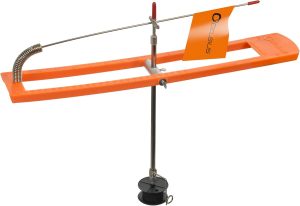

This is about as basic as tip ups get. No bells, no whistles—just a straightforward design that does the job. The base is heavy-duty plastic with tapered edges so it’s easier to pull out when everything’s frozen together. The flag shaft is 17.5 inches.
The plastic spool is going to wear out eventually. That’s just reality with plastic in freezing temps. It’ll crack or chip after enough use. They also pre-spool it with cheap line that’s not made for cold weather, so you’ll probably strip it off and start fresh with something better anyway.
Here’s what really bugs me—they made the flag the same color as the base. If you’re sitting in your shelter and glancing out at your holes, good luck telling if it’s tripped unless you’re standing right next to it. That’s just poor design.
It’s not the worst tip up you could buy, and the frame itself is built decently. There’s just no reason to settle for this when better options exist at similar price points. It works, but you can do better without spending much more.
Specs
- Material: Plastic
- Line Capacity: 50 yards
- Pre-Spooled? Yes
Pros
- Solid frame holds up
- Low-temp lubricant
Cons
- Plastic spool
- Poor flag color choice makes it hard to see
Why You Can Trust This Review
North American Outdoorsman is run by hunters and anglers who actually use the gear we write about. We’re not just reading spec sheets and rewriting manufacturer descriptions—we’re out on the ice, in the field, and on the water testing equipment in real conditions.
Our reviews come from hands-on experience, not corporate partnerships or the need to fulfull salaries that influence our opinions. We know what works because we’ve dealt with frozen reels at dawn, busted tip-ups in subzero temps, and gear that quit when we needed it most. When we recommend something, it’s because we’d use it ourselves.
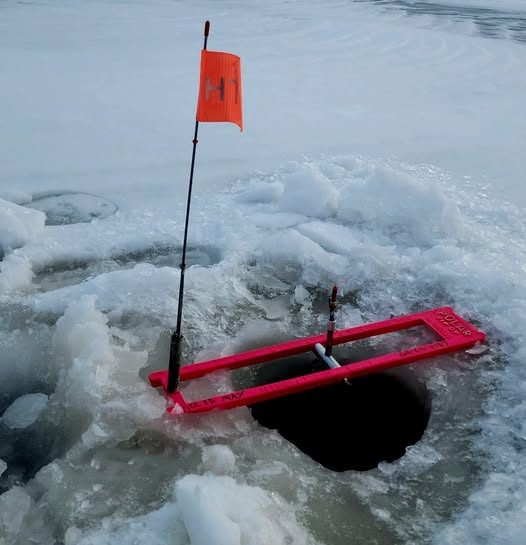

Ice Fishing Tip Up vs Ice Fishing Rod
The main difference comes down to how active you want to be. Tip ups let you cover multiple holes at once without standing over them—set it, walk away, and wait for the flag. They’re perfect for targeting bigger fish like pike and walleye that might take their time before committing. Ice fishing rods require you to be there jigging and working the bait constantly.
You’re limited to one hole at a time, but you’ve got way more control over presentation and feel. Most serious ice anglers use both. Run a few tip ups spread across the ice while you actively fish a rod at your main spot. That way you’re maximizing your chances without missing out on the action.
Types of Tip Ups
Tip ups aren’t complicated, but the different styles out there can change your entire approach to ice fishing. Knowing what each design does will help you figure out which one matches how you fish.
Thermal/Polar
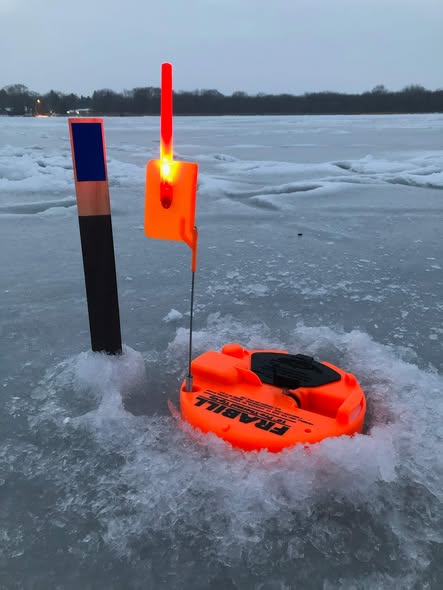
You’ll hear both names used interchangeably. These are the ones with the round disc that sits over your hole. The insulation keeps the water from freezing back up while you’re fishing other spots, so you’re not constantly clearing slush or chipping ice all day.
There’s another benefit most people don’t think about—blocking light. When the hole stays dark, your bait looks more natural down there. Fish get spooked by light coming through the ice, so covering it up means they’re less hesitant to bite.
Pop Up
Instead of a spring flag, these use magnets. Two magnets hold together until a fish spools out line, then they separate. They shine when the wind’s howling and regular flags are popping left and right for no reason. The magnetic connection is way less finicky than springs, so you’re not chasing false alarms every ten minutes.
Auto-Set Rail
These look almost identical to standard models but include one game-changing feature. When the flag trips, the mechanism holds tension for a split second to drive the hook home. You don’t have to sprint across the ice hoping the fish is still on—the tip up already did the hookset for you. Saves a lot of fish that would’ve shaken loose otherwise.

Check out Some Other Options
Ice Auger
You can’t set tip ups without drilling holes first. Hand augers work fine if you’re only making a few, but gas or electric models save your arms when you’re punching 10+ holes across the ice. Blade quality matters more than you’d think—dull blades turn drilling into a workout real fast. We’ve tested the top options in our best ice augers roundup so you know what actually cuts through thick ice.
Ice Fishing Fish Finder
Running tip ups blind means you’re guessing where the fish are. A fish finder shows you depth, structure, and whether anything’s swimming below before you even drop your bait. Flashers give you real-time feedback while you’re jigging, and GPS models help you mark productive holes for next time. Our ice fishing fish finder guide breaks down which units are worth the investment.
Ice Fishing Shelter
Once you’ve got your tip ups set, you’ll want somewhere warm to wait. A good ice fishing shelter keeps you out of the wind and lets you fish comfortably for hours instead of heading in early because you’re frozen. Pop-up hubs are fast to set up, flip-overs give you mobility, and permanent shacks are worth it if you fish the same lakes all season. Check out our guide to the best ice fishing shanties to find what fits your style.