




We can all agree that there is a big difference between seeing nature and actually experiencing it by moving through it.
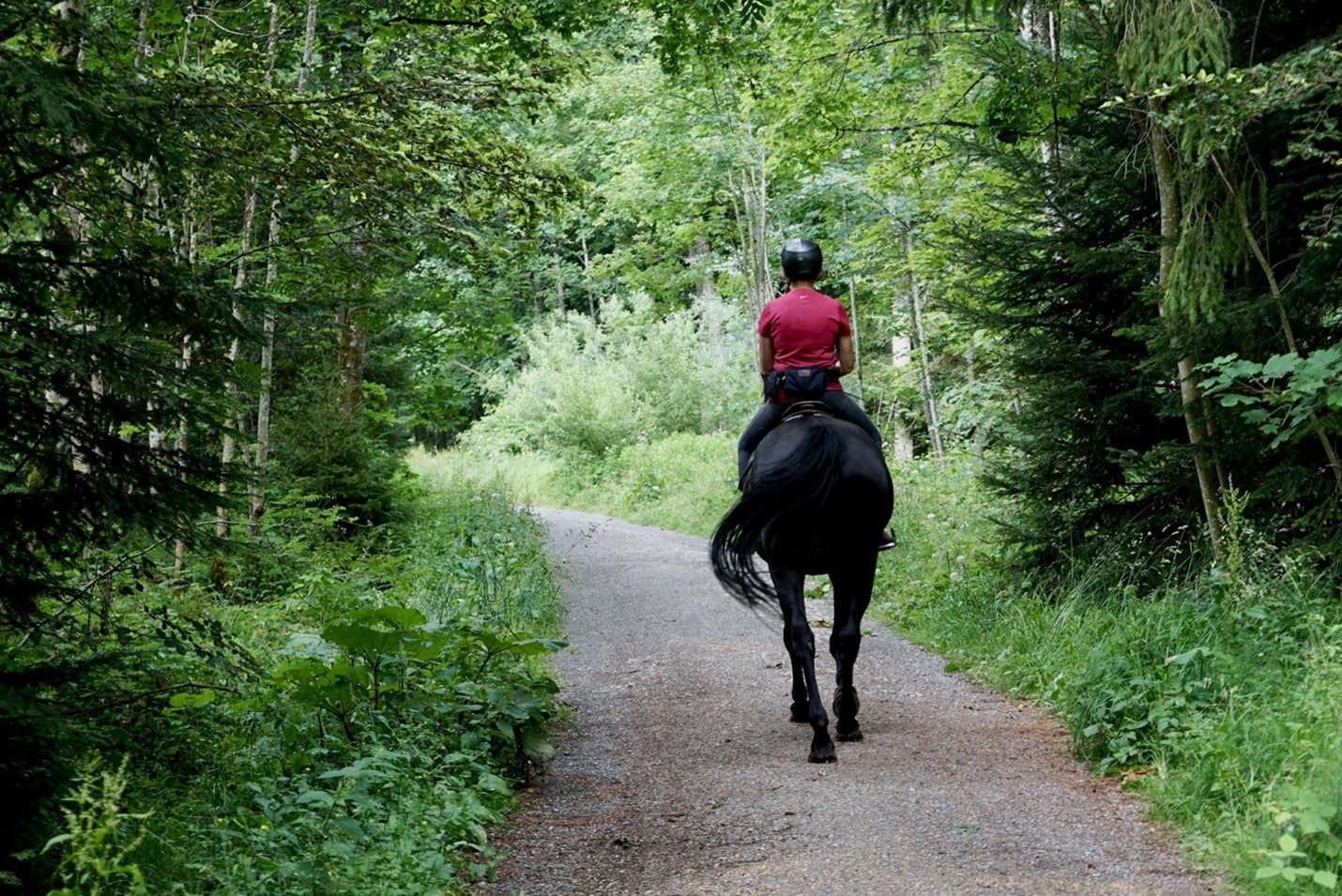
Hiking gets you closer; driving keeps you distant. But riding a horse sits somewhere in between, and honestly, it’s closer to how landscapes were meant to be experienced. It’s just you, a huge animal, and the peace and quiet.
Those who have already tried horseback riding adventures through nature already know the exact feeling. You feel connected to nature, fully in tune with your surroundings, and after the adventure finishes, you feel reborn.
But it’s not as simple as getting on a horse and moving as the crow flies. So, let’s find out how to properly experience the outdoors on horseback.
Why Horses Still Make Sense Outdoors
Yes, horseback riding can feel outdated, but that’s the point. We all know that we have bikes, off-road vehicles, and GPS navigation, but these are tools designed for us to move faster and make everything easier and more efficient.
Sometimes, we need a break from all the tech gadgets just so we can align our energy with nature’s pulse. After all, efficiency isn’t always the point. Horses are here to solve a different problem.
They move naturally through terrain that’s difficult for machines and too challenging on foot. We’re talking about rocky trails, narrow paths, or even long distances. More importantly, they do this without noise, without emissions, without the blue light from the screen, and without breaking the environment around them.
When people think of horseback riding, their first thought is usually horse racing. However, you don’t have to be a professional jockey that’s participating in the 2026 Kentucky Derby qualifying races to go on a simple outdoor adventure.
The horse racing world, especially big events like the Kentucky Derby, is built around speed, and horseback rides across nature are the exact opposite.
The Pace Is Slower
Horseback rides are slower, which means that you consume more nature. But it’s not slow in a frustrating way.
You cover way more ground than walking, but you still have time to notice changes in the terrain, shifts in weather, wildlife movement, or just tune into nature’s rhythm to clear your head.
Most people don’t notice, but that awareness is exactly what modern outdoor experiences miss. You cannot go on a bike, strapped with multiple gadgets that buzz every 5 seconds, and say that you truly experienced nature. You were off and completely distracted.
Plus, when you move fast, everything blends together. This makes horseback rides peaceful and relaxing. The exact thing we need since we live in a dynamic world full of problems and people dealing with anxiety.
Yeah, about that, your anxiety will be gone after a single horseback ride.
You’re Working With the Animal
Traveling across nature is one thing, and going there on a horse is a completely different thing. Horseback riding isn’t automatic like putting your foot down and shutting down your brain.
You’re constantly communicating with the animal (non-verbally); horses can smell your fear and can feel your emotions, and maneuvering an animal that weighs over 1,000 pounds is a workout on its own.
Remember, horses don’t just follow commands. They’re adjusting their footing on difficult ground, slow down when something feels unsafe, and react to their surroundings sometimes in a more expressive way than humans.
And you cannot force control. If you do that, you’ll struggle. But if you learn to work with the animal, the experience becomes way smoother.
This means that your brain is constantly engaged, even when the terrain is straightforward, and the horse is moving at a steady pace. But it is not engaged overwhelmingly. It just focuses on the moves you should make, allowing you to completely forget all about your problems and frustrations.
Terrain Feels Different From the Saddle
We also have to highlight that the land itself feels different when you’re riding a horse. A trail might look simple from a distance, but once you’re on a horse, everything becomes more technical.
This forces your brain to think about finding the best path. Your brain constantly analyzes the terrain in a more physical way, and not many other outdoor activities can give you this feeling of engagement.
On top of that, different terrain is also good for the horse’s health.
It Forces You to Pay Attention
Horseback riding doesn’t allow autopilot.
Even on a calm trail, you’re constantly making small adjustments to your posture, your hands, and your balance.
At the same time, you’re watching the horse. Is it relaxed? Is it reacting to something? Is the pace consistent?
That level of attention keeps you present. And that’s part of what makes it engaging.
You’re not thinking about your phone, your schedule, or anything else. You’re focused on what’s happening right now.
It Opens Up Places You Wouldn’t Reach Otherwise
It’s not like horseback riding is more difficult than hiking or off-roading. There is a practical side to this, too.
Horses are animals that can reach places no other vehicle can. Long trails, remote landscapes, or rocky terrain are quickly accessible on a horse. This allows you to explore more places that were out of question when you were hiking or biking.
After all, there is no better feeling than getting to a place that’s so remote that no other human has set foot for a long time.
Final Thoughts
Horseback adventures are old, but they are not going away anytime soon. The benefits that horseback riding brings to the table are too many to count. You’ll feel more in tune with nature, more relaxed, and you get to engage with the terrain instead of passing through it.
So, if you’re a nature lover, we highly recommend that you go on that horseback ride. It will be a life-changing experience.