




Training a hunting dog is one of the most rewarding experiences an outdoorsman can have. A dependable gun dog becomes far more than a hunting companion. It’s a partner that learns to read your body language, respond to your commands, work difficult cover, and retrieve birds in conditions most hunters would rather avoid.
But developing that kind of dog takes considerably more than teaching a puppy to sit, stay, and retrieve a bumper.
Whether you’re starting with your first Labrador retriever, raising a versatile pudelpointer, or working with an experienced upland dog, successful hunting dog training requires patience, consistency, conditioning, and a willingness to adapt your techniques to the animal in front of you.
I’ve spent more than two decades hunting behind numerous dog breeds around the world. For years, I’ve also trained my own versatile gun dogs, including my pudelpointers, Echo and Kona. Along the way, I’ve learned from professional trainers, breeders, and other experienced hunters.
I’m not a professional dog trainer, and I don’t pretend to be. But I’ve spent thousands of hours hunting and training with dogs, and those experiences have taught me what works, what doesn’t, and how seemingly minor details can influence a dog’s performance.
This guide brings together those lessons, covering everything from choosing your first hunting dog and establishing obedience to water training, retrieving, equipment, physical conditioning, and keeping your dog healthy during hunting season.
It also includes a new December 2026 training chapter about something many bird hunters overlook: saving wings, skins, and tails from harvested birds to create realistic training opportunities throughout the off-season.
The Foundation of a Reliable Hunting Dog
Successful gun dog training begins with consistent communication, short positive training sessions, regular exercise, and realistic exposure to the conditions your dog will encounter in the field.
A dog that understands basic obedience, trusts its handler, and has experienced different birds, terrain, water, and hunting situations will be better prepared when the season arrives.
My best advice: Don’t save all your training for the weeks before hunting season. Your dog’s education, conditioning, and relationship with you should develop throughout the year.
Jump to a Section
Save Bird Skins, Wings & Tails for Off-Season Training
Story and photos by Scott Haugen
This marks the time of year when multiple bird seasons are open across the country. Most of us can hunt waterfowl and a mix of upland birds. Some are pursuing pheasants, while others enjoy extended seasons for mourning doves.
In states that allow it, hunting fall turkeys with your gun dog is something many folks eagerly anticipate.
With such a mix of birds available, be sure to plan ahead and save some skins, wings, and even tails for off-season training.
Whether you’re getting a new puppy this spring or summer or working with a longtime hunting companion, now is the time to gather the training tools you’ll need during the off-season.
No matter the age or breed of your gun dog, bird skins and wings can be valuable training tools. Turkey tails can also be useful if you intend to hunt fall turkeys with your dog where legal.
From chukars to geese, ducks to quail, here are some ways I’ve made the most of these training materials.

How to Prepare Bird Wings for Training
The key to maximizing the usefulness of bird parts is keeping them in good condition and properly freezing them.
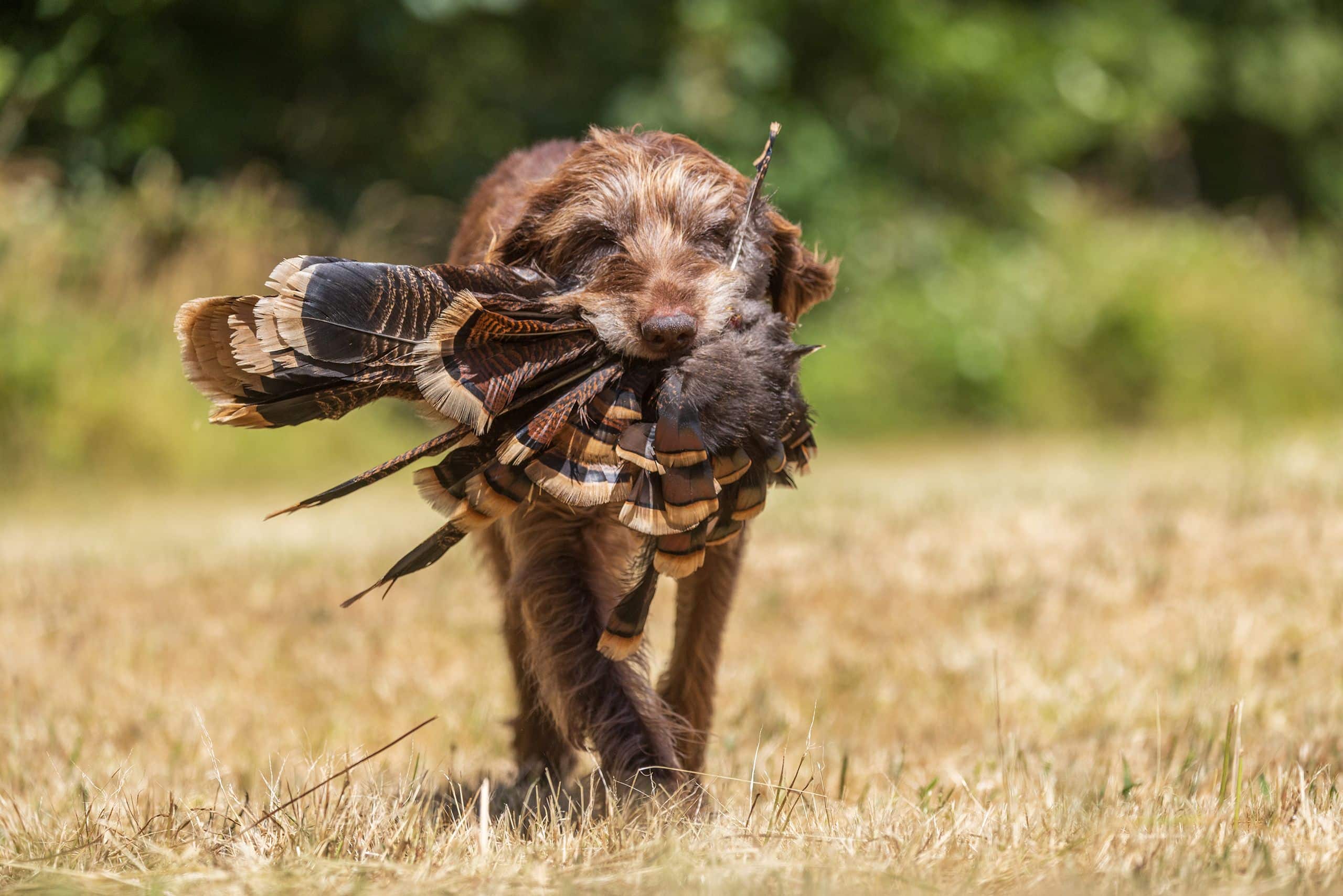
With bird wings, cut them off at the elbow joint. There’s no need to remove all the remaining tissue from the wing bones, as these tissues carry scent.
With geese and turkeys, large wings can be divided at the wrist joint, giving you more than one training tool from a single bird.
When saving turkey tails, cut far enough down the base to preserve the attached tissue that contributes to natural scent.
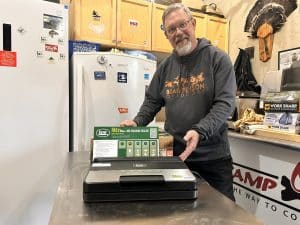
When freezing wings, I like to wrap each one individually so it remains easy to separate from the others.
Scott’s field method uses a damp paper towel around each wing, followed by a sealable freezer bag. Waxed paper can also be used to separate wings when several are stored together.
Individual wrapping makes it much easier to remove just the training materials you need rather than thawing an entire frozen bundle.
Training Tip: Keep Wings Organized
Store wings by bird species and label the bags. This makes it easier to select appropriate training materials for quail, pheasant, duck, goose, or turkey work without disturbing the rest of your supply.
Using Bird Wings During Training
When it’s time to train, remove only the wings needed for that session. They don’t have to become completely soft before a dog can detect their scent.
Wings can be used for scent recognition, simple retrieves, tracking drills, and helping a young dog become comfortable handling feathers.
One of the biggest advantages is variety. A dog that only works with the same plastic bumper may benefit from occasional sessions using realistic bird materials.
Keep sessions controlled, prevent the dog from chewing or swallowing feathers or bones, and remove the materials immediately after the drill.
Wings are training tools, not chew toys.
Bird Skins Make Excellent Retrieving Aids
Bird skins are another training option I like to use throughout the year.
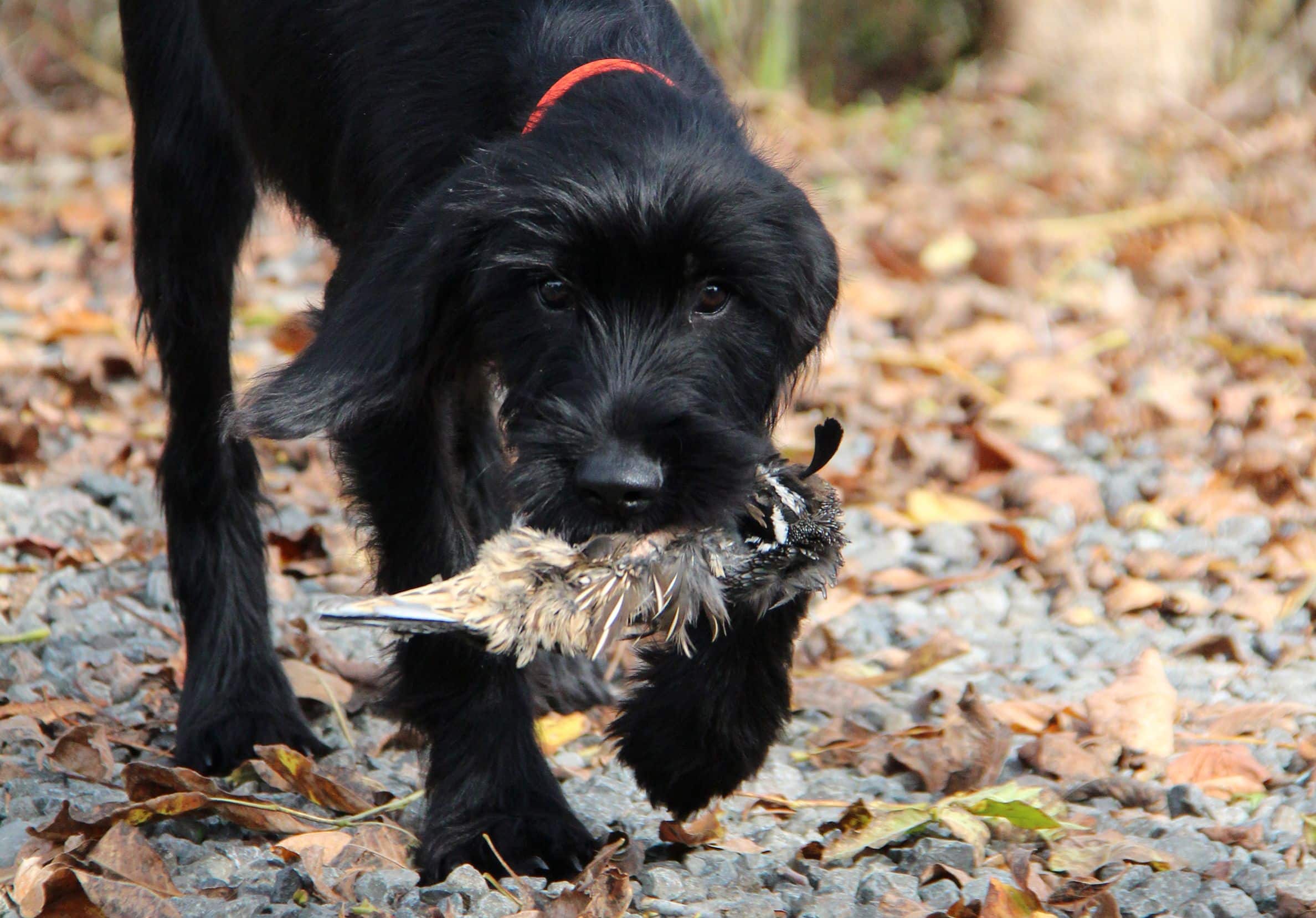
If you’re skinning a bird, keep the skin intact with the wings attached when practical. The remaining natural scent, feathers, and movement can make a more realistic training aid than a plain bumper.
Scott describes rolling and freezing the skin, then securing it to a bumper for training.
The resulting aid gives a puppy or experienced retrieving dog an opportunity to work with feathers, scent, and the movement of attached wings.

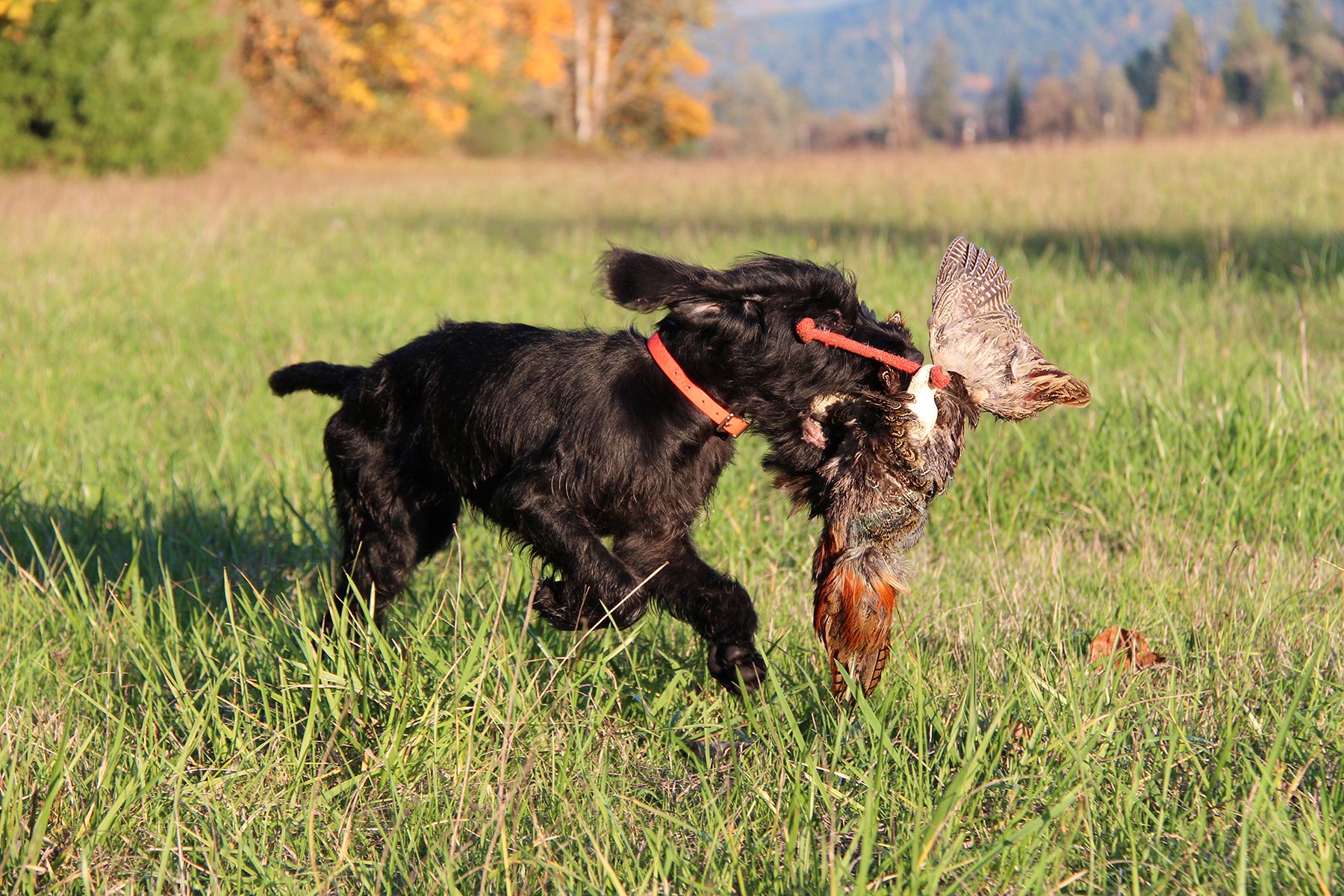
These aids are particularly valuable when working with young dogs that need additional experience carrying birds or handling feathers correctly.
They can also be incorporated into more advanced retrieving exercises, including blind retrieves, multiple retrieves, and directional work.
Training With Bird Carcasses
Another option Scott has used is saving bird carcasses after removing the breast meat, legs, and thighs.
Carcasses provide realistic scent, weight, and texture. Those characteristics can help prepare a dog for handling birds during actual hunts.
When using carcasses, however, careful hygiene and supervision are essential. Raw bird material can harbor pathogens, and feathers or bones may present choking or injury hazards.
Use only birds that appear healthy and were legally harvested. Never use birds suspected of being sick, and don’t allow your dog to chew on training carcasses.

Important: Safe Handling of Wild Bird Training Materials
Wild birds can carry avian influenza and other pathogens. Freezing does not reliably eliminate these risks. Avoid handling or using sick or unusually behaving birds, disinfect equipment after use, wash your hands thoroughly, and follow current wildlife-agency guidance. Repeated thawing and refreezing can increase spoilage risk; discard materials that become questionable rather than trying to extend their use. Consult your veterinarian about safe handling practices for your dog.
Create Variety With Different Bird Species
Bird wings, skins, and tails are useful for far more than simple fetch drills.
Depending on your dog’s experience, they can be incorporated into tracking exercises, controlled scent searches, blind retrieves, hand-signal training, and other retrieving drills.
Changing bird species, locations, and training exercises keeps sessions interesting.
Like people, dogs can become bored doing the same things in the same places. Introducing new challenges helps maintain enthusiasm and prepares a versatile gun dog to hunt multiple bird species.
Plan ahead during hunting season, save appropriate training materials, and you’ll have more options when the long off-season begins.
Hunting Dog Training Starts Before You Bring Home a Puppy
Before investing in a gun dog, be honest with yourself about the type of hunting you want to do and the amount of time you can devote to training.
Do you primarily hunt ducks and geese? Are you focused on pheasants, quail, grouse, or chukars? Do you want a versatile hunting dog capable of tracking different species, retrieving waterfowl, and searching for shed antlers?
Those questions should influence the breed you choose.
Some hunters prefer Labradors or Chesapeake Bay retrievers for waterfowl. Others gravitate toward German shorthaired pointers, wirehaired pointing griffons, pudelpointers, or Drahthaars for versatile work.
Every breed has strengths, and individual dogs vary considerably in temperament, energy, and training needs.
The most important decision is finding a dog that fits your actual hunting activities and lifestyle.


Choose a Dog That Fits Your Hunting Style
A high-energy hunting dog can be a wonderful companion, but it requires regular physical activity, mental stimulation, and consistent training.
If you work long hours and cannot provide those things, the timing may not be right for a puppy.
For many hunting breeds, simply allowing the dog into a backyard is not enough. They benefit from structured exercise, exploring different environments, and learning new tasks.
Consider the needs of everyone in your household as well. A hunting dog is a commitment that extends well beyond the months when hunting seasons are open.


Short, Consistent Training Sessions Work
One of the biggest misconceptions about training puppies is that every session needs to be long.
Young dogs often learn more from several brief, positive sessions than from one exhausting lesson.
I’ve found that a few minutes devoted to one clear objective can produce excellent results when that work is repeated consistently.
Training should be enjoyable for the puppy. End sessions on a positive note and spend plenty of additional time playing, exploring, and building your relationship.
Potty Training Your Hunting Dog
Potty training starts the day a puppy arrives home, and preparation makes the process easier.
Before bringing your puppy home, decide which door you’ll use for bathroom breaks and where you want the dog to relieve itself.
Keep a crate or puppy pen near that exit so you can move outside quickly when the puppy wakes up.
Young puppies generally need frequent opportunities to go outside, particularly after sleeping, eating, drinking, and playing.
Use a consistent verbal cue such as “go potty” and reward successful trips with praise or a small treat.
Accidents will happen. Clean them thoroughly and continue working toward a predictable routine rather than punishing the puppy.


Establish a Consistent Routine
Use the same commands and reward system throughout the household. A puppy learns more quickly when everyone responds consistently.
As training progresses, begin introducing different surfaces and outdoor locations so the dog can adapt when traveling or hunting away from home.
Make fresh water available regularly. Any restrictions on water intake, particularly for young puppies, should be discussed with your veterinarian.
Teaching Sit, Stay, Come, and Reliable Recall
Basic obedience establishes the communication you’ll use throughout your dog’s hunting career.
The first skills I want a puppy to understand are paying attention, responding to its name, sitting, waiting, and coming when called.
These commands are important in everyday life, but they become especially valuable in the field.
A dog that responds to a recall command can be redirected away from hazards, other hunters, roads, or wildlife that you’re not pursuing.
Start in a controlled environment with few distractions. Introduce one command at a time and reward the desired behavior.
Once the puppy understands the command indoors or in a familiar yard, gradually practice in new locations.
Don’t assume a dog that comes reliably in the backyard will immediately respond the same way when birds begin flushing in front of it.
That reliability develops through repetition and progressively more challenging situations.

Introduce Whistle and Hand Signals
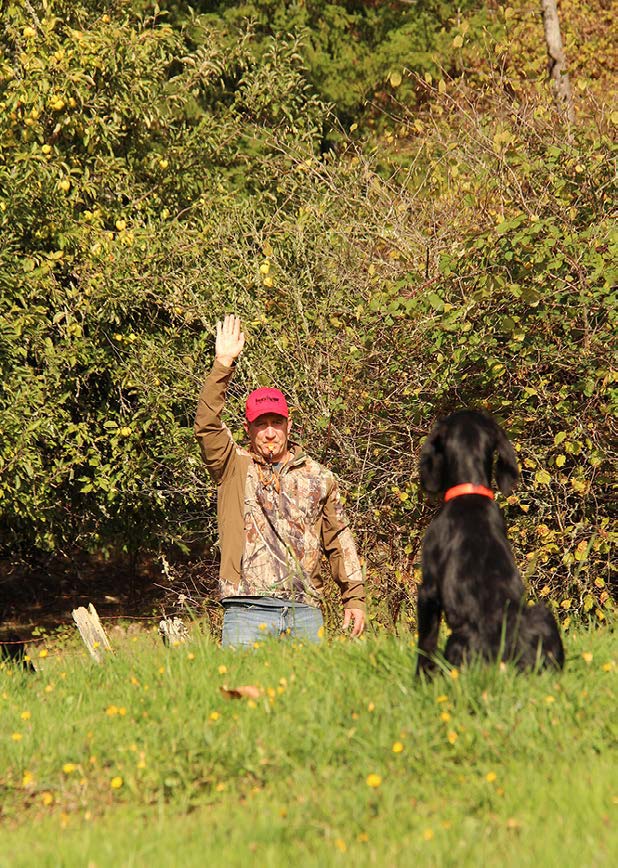
As your dog becomes more reliable with verbal commands, consider introducing whistle signals and simple hand gestures.
Those communication tools can become particularly helpful during long retrieves or when a dog is working at a distance.
Whistle commands should have consistent meanings. Avoid changing signals from one session to the next.
If multiple family members participate in training, agree on the commands before beginning.
Crate Training a Hunting Dog
A crate should be a place where your dog feels secure and comfortable, not a punishment.
Start by allowing the puppy to investigate the crate voluntarily. Use praise, treats, and familiar bedding to create positive associations.
Gradually increase the time your puppy spends inside, paying attention to its comfort and avoiding prolonged confinement.
Crate training is especially useful for hunting dogs because many travel in crates during road trips and spend time in kennels between hunts.
Teaching the dog to enter and exit calmly also helps prevent injuries when opening a kennel positioned in the back of a truck or another elevated area.


Reading Your Hunting Dog’s Body Language
One of the most valuable skills a gun dog owner can develop is recognizing what the dog is communicating.
Watch the animal’s eyes, ears, tail, posture, and movement. These signals can help you determine whether a dog is focused, distracted, excited, uncomfortable, or becoming tired.
Good training depends on recognizing those moments and responding appropriately.
If a puppy is overwhelmed or struggling to concentrate, continuing to repeat commands may accomplish very little.
Sometimes the better decision is to simplify the exercise, reward a successful response, and end the session.
The more time you spend with your dog, the better you’ll become at recognizing its normal behavior and spotting changes.


Why Eye Contact Matters
My dogs often watch me closely when we’re preparing to train or hunt.
They’ve learned to recognize changes in my posture, movements, and attention. That awareness makes communication easier, particularly when we’re working in familiar situations.
Teaching a puppy to look toward you when requested can be a helpful early exercise.
Start by rewarding brief moments of attention and gradually building the dog’s ability to focus before giving another command.
As the dog matures, consistent communication can reduce the need for repeated verbal instructions.


Bonding and Socializing Your Hunting Dog
Training shouldn’t be limited to formal exercises.
Take your dog to new places, introduce it to different people, and allow it to explore a variety of safe environments.
Walk through fields, spend time around water, and gradually introduce the sounds and situations the dog may encounter during future hunting trips.
Keep experiences positive and appropriate for the dog’s age, health, and vaccination status.
A puppy that has learned to remain comfortable around different sights, sounds, and surfaces may have an easier time adapting when it encounters unfamiliar terrain during hunting season.
Socialization also strengthens your relationship. A dog that trusts you is more willing to look to you for guidance when faced with something unfamiliar.
Hunting Dog Gear Worth Having
Over the years, I’ve used a considerable amount of dog training equipment. Some products looked promising but didn’t hold up to hard use. Others became permanent fixtures in my truck, kennels, and hunting routine.
These are several products I’ve relied on for feeding, training, traveling, and keeping my dogs comfortable in the field.
YETI Boomer Bowl and Rambler


I’ve used YETI Boomer dog bowls for years. They’re durable, easy to clean, and have held up well through dirt, gravel, mud, and repeated travel.
My dogs use them at home, and I keep additional bowls in the truck for hunting and training trips.
The Rambler also provides a durable solution for carrying drinking water without relying on containers that may leak during rough travel.
MOmarsh Versa-Vest


Finding a vest that fits my pudelpointers has always been challenging. They’re deep-chested, narrow-waisted dogs, and poorly fitted vests can rub under their legs or restrict movement.
When I first tried the MOmarsh Versa-Vest, I struggled with the adjustment process. After studying the instructions and learning how to customize the fit, the results were excellent.
The multiple adjustment points allow me to tailor the vest to my dogs’ bodies. Its protective chest panel, neoprene construction, and carrying handle have also proved useful during waterfowl hunts.
Most importantly, I can fit the vest properly without restricting the dog’s normal movement.
NutriSource Freeze-Dried Treats
Training rewards should be convenient, easy to carry, and appropriate for the dog’s diet.
I’ve used NutriSource products with my active gun dogs and appreciate the convenience of freeze-dried options for travel and rewards.
Choose treats based on your dog’s nutritional needs and adjust total daily calories accordingly.
Heyday Tagalong Food and Water Stations
Long hunting days become easier when food and water are organized before leaving home.
Heyday’s Tagalong Food and Water stations provide portable storage for trips and allow me to keep supplies organized in the truck.
For anyone hunting several days a week, having dedicated feeding and watering equipment can save time and simplify the daily routine.
MTM Mule Mobile Gear Crate


The MTM Mule is a practical storage option for hunters who carry a substantial amount of dog training gear.
I’ve used mine to organize bumpers, vests, first-aid supplies, water containers, and other equipment that would otherwise end up scattered throughout the truck.
The wheels, handles, compartments, and durable construction make it especially useful for frequent travel.
Choosing the Right Hunting Dog Vest
Not every hunting dog vest serves the same purpose.
Some are designed primarily for waterfowl hunting, offering insulation, protection, and added buoyancy. Others focus on visibility and protection from brush during upland hunts.
Fit is especially important. A vest that rubs under the front legs, restricts shoulder movement, or creates excessive noise can affect how a dog performs.
Always introduce new equipment during training rather than placing it on your dog for the first time during an important hunt.
MOmarsh Versa-Vest
For my pudelpointers, the adjustable MOmarsh Versa-Vest has been one of the most useful options I’ve tried.
Its multiple adjustment points help accommodate their deep chests and narrow waists, and I’ve appreciated the added protection during demanding waterfowl hunts.
Browning Neoprene Dog Vest
I’ve also used Browning neoprene vests extensively. They’re flexible, relatively straightforward to fit, and have performed well for many seasons.
For hunters looking for a more affordable option, Browning is worth considering, particularly when the vest fits the individual dog properly.
ALPS OutdoorZ Top Flight Dog Vest
The ALPS OutdoorZ Top Flight offers an affordable approach to hunting dog protection and flotation assistance. I’ve used it during training and field work, although its fit wasn’t ideal for my particular dogs.
As with any vest, evaluate your dog’s body shape and movement before deciding whether it’s the right choice.
Dive Bomb Adjustable Dog Vest


I’ve watched the Dive Bomb Adjustable Dog Vest perform well on demanding waterfowl hunts. Its construction and adjustability have impressed me, particularly when used on dogs working through abrasive cover.
Tanglefree Flight Series Dog Vest
Tanglefree makes several products intended for waterfowl hunters and their dogs. I’ve seen the Flight Series used in everything from marshes to flooded timber and big-water environments.
It deserves consideration from hunters who need a durable waterfowl vest suited to their dog’s build.
Field Armor Waterfowl Dog Vest


One of the most impressive vest demonstrations I’ve witnessed involved a hunting partner’s Labrador working through thick blackberry cover.
The Field Armor Waterfowl Dog Vest provided protection during repeated retrieves in difficult conditions, and the dog appeared comfortable throughout the hunt.
That experience made the vest one I wanted to examine more closely for my own dogs.
Field Training: Turning Obedience Into Hunting Skills
A dog can be extremely obedient in the backyard and still struggle during its first hunting season.
Field training bridges that gap by introducing the dog to realistic conditions, new environments, and the excitement of finding birds.
Start with familiar drills, then gradually change the surroundings, distances, and distractions.
Work on retrieving, waiting for release commands, responding to hand signals, and remaining focused even when other dogs or wildlife are nearby.
As the dog improves, increase difficulty without making success impossible.
Water Training Your Hunting Dog
Water training is valuable even for hunters who primarily pursue upland birds.
During pheasant and quail hunts, birds sometimes fall into streams, ponds, or other places where a dog needs to enter the water to complete the retrieve.
A dog that has never experienced those conditions may hesitate even when it is otherwise an accomplished retriever.
Begin in shallow, calm water with easy access and a firm bottom. Let the dog become comfortable before increasing the distance or complexity of retrieves.
Use a favorite bumper and keep the experience positive.
Never force an unwilling puppy into deep or cold water.


Introduce Different Water Conditions Gradually
Once a dog is comfortable swimming in calm water, begin introducing new situations carefully.
Practice around sparse shoreline vegetation before moving into thicker cover. Introduce different bottom conditions where you can safely supervise the dog.
Moving water requires particular caution. Avoid strong currents, dangerous debris, cold-water exposure, and situations where the dog could become trapped.
Swimming ability and confidence should develop gradually.
Water Retrieves With Multiple Dogs
If you plan to hunt two dogs together, train them together before hunting season.
Each dog should understand when it is being sent and when it is expected to remain in place.
Practicing these situations can reduce competition, confusion, and unnecessary risk during actual retrieves.
Shed Hunting With Your Gun Dog
Versatile hunting dogs can also be trained to locate and retrieve shed antlers.
I’ll never forget watching Kona find his first shed when he was still a young puppy.
We were hunting along an old logging road when he suddenly focused on something beside the trail. Moments later, he emerged carrying a bleached antler.
I praised him and let him make a short retrieve before putting the shed away. I wanted the experience to remain exciting and positive.
That became an important part of how I approached his shed training.


Start With Easy Success
Begin with visible antlers and short retrieves. Reward the dog for finding and bringing them back.
As it develops confidence, begin hiding antlers in grass or other safe cover.
Some exercises can emphasize scent detection, while others focus on recognizing antlers visually.
Keep sessions fun and avoid allowing the dog to chew on antlers, since hard antlers can damage teeth.
Preparing for Your Hunting Dog’s First Hunt
The first hunting season is a learning experience for both the hunter and the dog.
When I took Echo on one of her first hunts in eastern Oregon, we encountered terrain and vegetation unlike anything she had experienced during training.
The dry, rocky country presented different conditions, including abrasive ground and troublesome grass seeds.
That trip reinforced how important it is to prepare a dog for the actual habitat it will hunt.
Before the season, introduce the dog to similar terrain, practice wearing its hunting vest, and evaluate its physical conditioning.
Keep early hunts manageable. Avoid exhausting a young dog just because birds are plentiful or hunting opportunities are exciting.


Your Dog’s First Duck Hunt
Cold-weather waterfowl hunting presents a different set of challenges than early-season upland hunting.
Dogs may spend considerable time sitting in cold blinds, entering water repeatedly, and retrieving birds through vegetation, mud, or icy conditions.
Prepare them for those situations before hunting season.
A properly fitted hunting vest can provide insulation and protection. A dedicated dog stand or platform can also keep a dog out of standing water while waiting for retrieves.
Choose platforms with stable footing and safe access. Practice using them before the hunt.


Closely monitor your dog’s condition throughout the hunt. A highly driven retriever may continue working even when cold or exhausted.
Provide fresh drinking water, appropriate rest, and a warm place to recover after difficult retrieves.
When conditions become unsafe, end the hunt rather than pushing the dog beyond its limits.
Keeping Your Hunting Dog Healthy in the Field
A dog’s ability to perform depends on more than obedience and retrieving skills.
Conditioning, nutrition, hydration, paw health, and awareness of environmental hazards all affect how safely and effectively it can hunt.
Watch for Dangerous Grass Seeds
Foxtail grass seeds and other barbed awns can create serious problems for hunting dogs.
These seeds may become lodged between the toes, under eyelids, in ears, or elsewhere on the body.
Their barbed structure can allow them to migrate deeper into tissue and cause infection.
Inspect your dog frequently when hunting areas where these seeds occur.
Pay particular attention to the paws, ears, eyes, armpits, and other places where seeds can become trapped.
If you suspect an embedded foxtail, contact your veterinarian promptly rather than waiting for it to work its way out.


Recognizing Heat Stress
Hunting dogs can overheat during warm-weather training, even when working in water.
Watch for excessive panting, weakness, loss of coordination, an unusually wide tongue, or behavior that differs from the dog’s normal level of enthusiasm.
Stop strenuous activity immediately if you suspect overheating. Move the dog into a cooler environment, begin appropriate cooling with water, and seek veterinary help urgently if heatstroke is suspected.
Don’t assume a driven dog will stop before it becomes dangerously exhausted.
Cold-Water Training Requires Caution
Cold water presents different risks.
Keep early sessions short, monitor the dog for shivering or reduced coordination, and avoid repeated retrieves when the water is dangerously cold.
Young puppies, older dogs, and animals that are not acclimated to cold water may require additional precautions.
Never force a reluctant dog into cold water.
Conditioning Your Gun Dog Throughout the Year
One of the most important lessons I’ve learned is that conditioning should not begin a few weeks before hunting season.
My dogs hunt waterfowl, upland birds, and other game throughout much of the year. Maintaining their fitness requires regular activity, training, and recovery.
I vary our exercises to include controlled runs, retrieving drills, walking through different terrain, and swimming when conditions are safe.
Training intensity should match the dog’s age, fitness, weather conditions, and health.
Build endurance gradually rather than suddenly increasing exercise because hunting season is approaching.


Morning Training Sessions
Early mornings can be a good time to train during warmer months.
I often begin by letting the dogs explore briefly before transitioning into focused obedience or retrieving work.
A short warm-up might be followed by a single training objective, such as hand signals, multiple retrieves, or searching for hidden bird wings.
The goal is not to exhaust the dogs. It’s to reinforce skills and maintain enthusiasm.
Evening Training Sessions
Evening sessions may provide another opportunity to exercise when temperatures have cooled.
Depending on conditions, I may focus on swimming, controlled retrieves, or other conditioning work.
Varying exercises helps prevent boredom and develops different abilities.
Be particularly careful with heat, footing, vehicle traffic, and the physical demands of prolonged running.
Managing a Hunting Dog’s Weight After the Season
Hard-working gun dogs can experience substantial changes in energy demands throughout the year.
During waterfowl season, my dogs spend long days working in cold conditions, swimming, and covering considerable distances.
When hunting season ends, their calorie requirements can change even if we continue training regularly.
I monitor body condition and weight throughout the year rather than waiting until a dog looks noticeably underweight or overweight.
Dietary changes should be gradual and based on the individual dog’s age, activity level, and nutritional needs.
Work with your veterinarian when making substantial changes, particularly for dogs with digestive problems, a history of gastric dilatation-volvulus, or other medical concerns.

Traveling Safely With a Hunting Dog
Hunting trips require more preparation when a dog is coming along.
In addition to firearms, clothing, and other hunting equipment, you’ll need appropriate food, drinking water, bowls, bedding, and a secure travel setup.
Take a canine first-aid kit and make sure you know where emergency veterinary services are located near your destination.
Check vaccination and health-document requirements before traveling across state or international borders.
Secure crates and other large equipment so they cannot shift dangerously during travel.
Never leave a dog unattended in a vehicle where temperatures could become unsafe.


Post-Season Training: Fix Problems Before Next Fall
The off-season is an ideal time to work on habits that became apparent during hunting season.
Maybe your dog broke before being released, struggled to remain steady while another dog retrieved, or became distracted during long blind retrieves.
Rather than waiting until the next hunting season to address these problems, return to simpler training exercises in a controlled environment.
Build consistency before gradually reintroducing distractions.
For more complicated behavioral issues, consult a qualified trainer who uses humane, evidence-based methods.
The goal is a dog that understands what you’re asking and responds reliably, not one that becomes anxious about making mistakes.
Frequently Asked Questions About Hunting Dog Training
When should you start training a hunting dog?
Basic socialization, name recognition, reward-based obedience, and crate introduction can begin when a puppy arrives home. More demanding retrieving and field exercises should be introduced gradually as the puppy develops physically and mentally.
How long should puppy training sessions last?
Keep early sessions brief and positive. Several short exercises spread throughout the day are often more productive than a single long session that exhausts or frustrates the puppy.
Can bird wings be used to train a hunting dog?
Yes. Properly handled bird wings can be useful for scent work and retrieving drills. They should be used under supervision, kept clean and appropriately stored, and removed before a dog can chew or swallow parts.
Can you freeze bird skins for off-season dog training?
Bird skins can be frozen for later training use, but freezing does not eliminate all pathogens. Avoid materials from sick birds, minimize thawing, and follow appropriate hygiene practices. Discard material that becomes spoiled or questionable.
Should upland hunting dogs learn to retrieve in water?
Water experience can be valuable for upland dogs because birds occasionally fall into ponds, creeks, or other water. Introduce swimming gradually in safe, calm conditions and never force a reluctant dog into deep or cold water.
How do you keep a hunting dog in shape during the off-season?
Maintain regular, age-appropriate exercise that may include walking, controlled running, swimming, and retrieving drills. Monitor body condition, provide adequate recovery, and adjust activity to the weather and the dog’s health.
What’s the most important part of hunting dog training?
Consistency. A clear system of communication, regular practice, and positive reinforcement help build reliable behavior that carries over from training into real hunting situations.
Final Thoughts: Great Gun Dogs Are Built Throughout the Year
I’ve been fortunate to hunt with many outstanding dogs over the years, and one thing consistently stands out: the best hunting partners are developed through time, patience, and experience.
They don’t become dependable simply because they come from a respected breed or have a strong hunting pedigree.
They become dependable because someone invested the time to teach them, provide new experiences, build their confidence, and maintain their physical condition.
That process starts when the dog is young, but it never really ends.
Some days you’ll work on obedience. Other days you’ll practice water retrieves, use saved bird wings for scent drills, or spend time exploring unfamiliar terrain.
And sometimes the best thing you can do is simply let the dog rest and enjoy being part of your family.
Keep training sessions productive, make the experience enjoyable, and remember that the skills you’re developing now will carry into the next hunting season and beyond.
The reward is a hunting partner that understands you, trusts you, and is ready to work when the birds begin flying.
About Scott Haugen
Scott Haugen is a full-time outdoor writer, photographer, and experienced hunter who has spent decades hunting around the world. He has raised and trained his own versatile gun dogs and regularly shares practical field-tested advice for hunters interested in developing dependable canine partners.
Explore more of his work at ScottHaugen.com and read additional Scott Haugen articles on North American Outdoorsman.