





Walk into any tackle shop, and you’ll see an overwhelming number of lure options. The truth is, choosing the right bait isn’t about grabbing what looks good on the shelf—it’s about matching your lure to the technique and conditions you’re facing on the water. Water clarity, fishing pressure, temperature, and available cover all play a role in how bass behave, and your lure selection should reflect that.
Experienced anglers don’t think in terms of random bait choices—they think in terms of technique. Finesse presentations slow things down when fish are pressured. Flipping and pitching allow you to reach bass buried in heavy cover. Topwater baits trigger explosive surface strikes, and reaction baits help you cover water fast when fish are active.
Understanding these categories not only helps you fish more efficiently, but it also builds confidence. Instead of guessing, you’re making decisions based on conditions. Pair that with organized gear and a plan, and you’ll spend less time digging through tackle and more time putting fish in the boat.
Below is a breakdown of the most effective bass fishing lures by technique, when to use them, and how they fit into a smart fishing strategy.
Finesse Fishing Lures for Tough Conditions
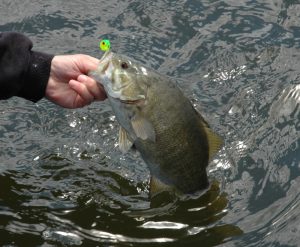

When conditions get tough—clear water, heavy fishing pressure, or post-frontal weather—finesse fishing becomes one of the most reliable ways to get bites. Instead of forcing a reaction, finesse techniques rely on subtle movement and natural presentation to trigger strikes from cautious fish.
This approach typically involves light line, smaller hooks, and soft plastics that move with minimal input. The goal is to keep your bait in the strike zone longer and make it look as natural as possible. One of the most effective finesse techniques is the drop shot, which allows your bait to hover just off the bottom while maintaining precise control.
If you want to dial in your finesse approach, using the right bait is critical. Explore proven options in drop shot soft plastics for finesse bass fishing to match the conditions and increase your chances when the bite gets tough.
Finesse fishing isn’t about speed—it’s about precision and patience. When bass won’t chase, slowing down and presenting the right bait can completely change your day.
Flipping & Pitching Baits for Heavy Cover
When bass move deep into cover like docks, brush piles, or thick vegetation, flipping and pitching become essential techniques. These methods allow anglers to place a bait quietly and accurately into tight spaces where bass are holding.
Soft plastic craws are one of the most effective baits for this style of fishing. Crawfish are a primary food source for bass, and craw-style plastics mimic their movement and profile perfectly. Their compact shape allows them to penetrate cover, while their claws create subtle movement as they fall or rest on the bottom.
To get the most out of this technique, many anglers rely on Texas rigs or punch rigs to keep the bait weedless and effective in thick cover. Choosing the right bait can make a major difference, and you can find strong options in soft plastic craws for flipping pitching.
Flipping and pitching are all about efficiency and accuracy. The more targets you can hit cleanly and quietly, the better your chances of pulling bass out of heavy cover.
Topwater Lures for Explosive Strikes
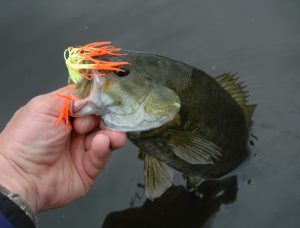

Topwater fishing delivers some of the most exciting moments in bass fishing. When fish are feeding near the surface, nothing beats the visual of a bass blowing up on a bait.
Frog lures are especially effective when fishing heavy cover like grass mats, lily pads, and reeds. Their weedless design allows them to move across vegetation where other lures would constantly snag, making them ideal for targeting bass hiding below the surface.
Fishing frogs effectively requires patience. Work the bait slowly, pause it in openings, and be ready for explosive strikes. Timing your hookset correctly is key, as bass often need a moment to fully commit.
To fish this technique at a high level, check out topwater frog lures for heavy cover bass fishing and match your bait to the conditions.
When conditions are right, topwater fishing isn’t just productive—it’s unforgettable.
Reaction Baits for Covering Water
When bass are aggressive, reaction baits allow you to cover water quickly and trigger instinctive strikes. Instead of slowing down, you’re searching for active fish and forcing them to react.
Bladed jigs, often called chatterbaits, are one of the most effective reaction baits for shallow water and grass. Their vibrating blade creates strong movement and flash, helping bass locate the bait even in stained water or heavy vegetation.
One of the biggest advantages of bladed jigs is their versatility. They can be fished along grass lines, through shallow cover, or across open water. Adding a soft plastic trailer enhances their action and profile, making them even more effective.
If you’re looking to cover water efficiently and trigger aggressive strikes, explore bladed jigs for grass shallow cover to match your setup to the conditions.
Reaction baits excel when fish are feeding and moving. When you need to find bass fast, they are one of your best tools.
Gear That Keeps You Organized on the Water
No matter which technique you’re using, staying organized on the water can have a major impact on your success. Switching between finesse, flipping, and reaction baits is much easier when your gear is accessible and protected.
Fishing from a boat introduces constant exposure to water, whether from spray, rain, or movement. Having a tackle system that keeps your gear dry and organized allows you to stay focused and efficient throughout the day.
Modern tackle bags are designed with multiple compartments, removable trays, and durable materials to handle real-world conditions. Waterproof or water-resistant designs help protect your gear while keeping everything within reach.
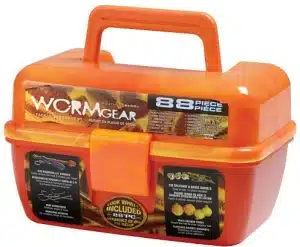

To improve your setup and stay organized on the water, take a look at waterproof fishing tackle bags for boat and build a system that works for your style of fishing.
At the end of the day, the anglers who stay organized and adapt quickly are the ones who consistently find success.
Quick Guide: What Bass Lure Should You Use?
Choosing the right bass lure starts with reading the conditions. Instead of tying on whatever looks good, match your bait to where the fish are holding and how aggressive they are. Use this quick guide as a starting point when deciding which technique makes the most sense.
- Clear water or pressured fish → finesse fishing with drop shot soft plastics
- Heavy cover, docks, or brush → flipping and pitching with soft plastic craws
- Grass mats, lily pads, or surface cover → topwater fishing with frog lures
- Shallow grass or active bass → reaction fishing with bladed jigs or chatterbaits
This isn’t a strict rulebook, but it gives you a simple way to make faster, more confident decisions. If bass are inactive, slow down. If they’re buried in cover, go get them. If they’re feeding, cover water and trigger a reaction.
Best Rod, Reel, and Line Setup by Technique
The lure matters, but the setup behind it matters just as much. The right rod, reel, and line help you present the bait properly, detect bites, and land more fish. Each technique is more effective when paired with gear designed specifically for it.
Drop Shot Setup for Finesse Fishing
For finesse fishing, a spinning setup is the go-to. A medium-light to medium spinning rod with a fast tip allows you to detect subtle bites while maintaining control. Pair it with a quality spinning reel and light fluorocarbon or a braided main line with a fluorocarbon leader. This setup keeps your presentation natural and excels in clear water or high-pressure situations.
Flipping and Pitching Setup for Heavy Cover
When fishing heavy cover, power is everything. A heavy or medium-heavy casting rod gives you the backbone needed to pull bass out of grass, wood, and docks. Match it with a high-speed baitcasting reel and heavy fluorocarbon or braided line. This setup is ideal for soft plastic craws and other compact baits designed to penetrate thick cover.
Topwater Frog Setup for Grass and Mats
Frog fishing demands strength and control. A heavy casting rod paired with a fast reel and braided line is the standard setup. Braid is key because it cuts through vegetation and gives you the power to pull fish out of dense cover. The stout rod also helps drive hooks through hollow-body frogs and secure solid hooksets.
Bladed Jig Setup for Grass and Shallow Cover
Bladed jigs work best with a medium-heavy casting rod that has enough tip to let the fish load up before the hookset. Fluorocarbon line is a popular choice because it offers sensitivity and a slight stretch, which helps keep fish pinned. A moderate to fast reel allows you to control your retrieve and keep the bait moving effectively through grass and shallow water.
Match the Technique to Catch More Bass
At the end of the day, successful bass fishing comes down to making the right adjustments based on conditions. There is no single “best” lure—only the best lure for the situation you’re facing. Whether you’re slowing down with finesse techniques, flipping into heavy cover, working topwater baits over vegetation, or covering water with reaction lures, each approach serves a purpose.
The anglers who consistently catch fish are the ones who understand when to switch techniques and how to match their presentation to what bass are doing. Paying attention to water clarity, temperature, pressure, and cover will guide your decisions and help you stay one step ahead.
Having the right gear ready to go also makes a difference. Keeping your tackle organized and accessible allows you to adapt quickly without wasting time. When you combine the right technique with the right setup, you’ll spend less time guessing and more time getting bites.
Focus on learning these core techniques, build confidence in each one, and you’ll be prepared for just about any bass fishing situation you encounter.