




How to Prepare for a Hiking Trip
A hiking trip usually starts going wrong before the first step. The mistakes are plain: no route notes, soft water planning, a weather check done for the town instead of the ridge, and a phone loaded with distractions but no offline map. On April 3, 2026, Great Smoky Mountains National Park warned visitors to plan harder after a high number of emergency incidents in March, and the advice was basic enough to trust: know the route, know the elevation, know your limits, and tell someone when you expect to return.
Route first, boots second
Good preparation starts with the trail description, not the gear photo. Great Smoky Mountains said on April 3 that trails can vary sharply in difficulty, elevation gain, and exposure, and added one detail that regular hikers already know from crowded Saturdays: popular trailheads fill early, while illegally parked vehicles can be ticketed or towed. That is why the better habit is to carry a primary plan and a backup trail in the same area, with trailhead location, turnaround time, and total mileage written down before leaving the motel or campground. Pack light.
The pack tells the truth
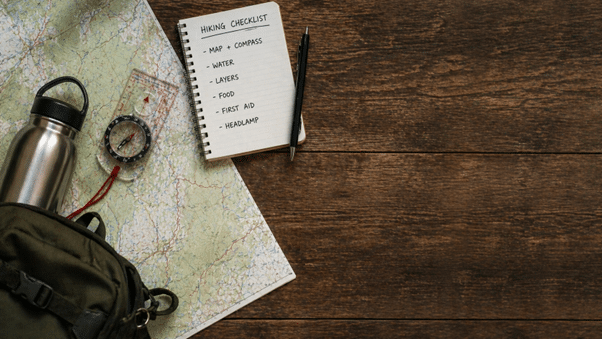
The National Park Service still points hikers back to the 10 Essentials, and the parks that handle the most rescues keep repeating the same list in plainer language: water, food, layers, rain protection, first aid, a map, and a light that does not depend on a dying phone battery. Grand Canyon’s Hike Smart page, updated January 19, 2026, adds the trail-specific pieces that matter once the canyon wall starts reflecting heat: broken-in footwear, a flashlight with spare batteries, cooling gear, a whistle or signal mirror, and a paper map, even on well-marked routes. That list reads less like a theory when one small observation keeps showing up in ranger guidance: only the Bright Angel and North Kaibab trails have potable water spigots, and those can still be out of service.
Water is the first argument
Hydration planning gets sloppy when a trail looks short on paper. Canyonlands says hikers should bring at least 1 quart (1 liter) per person for short trails and up to 1 gallon (4 liters) for long trails, while Grand Canyon adds a second reminder that matters just as much in heat: carry plain water and some form of electrolyte replacement, then keep eating salty snacks rather than chasing water alone. Start early. The parks are not being dramatic here; they are describing what happens when dry air, open rock, and a late start turn a manageable walk into a retreat.
Forecast beats confidence
Mountain weather still punishes optimism faster than most gear failures do. NOAA says hikers should schedule day hikes to avoid times when thunderstorms are possible, noting that they typically form in the late afternoon, and the National Weather Service adds the field detail that matters on exposed ground: avoid ridge tops, open fields, and tall isolated trees, and spread out if the group gets caught outside. Storms move fast. Rocky Mountain National Park makes the same point in its trail guidance by telling visitors to expect afternoon rain in summer and to pack waterproof outer layers and extra socks before the first mile.
The night before is part of the hike
Preparation is not finished when the pack is zipped. At 8:30 pm, in places such as Moab, Springdale, or Tusayan, the productive work is dull: fill bottles, charge the headlamp, set the first-aid kit where it can be reached, and leave the trail shoes where they will not be forgotten in the dark. A short casino online session on the phone may feel harmless while dinner settles, but the stronger habit is still to cut the screen, check the alarm, and keep the wake-up clean for a 5:30 am trailhead start. One missed hour of sleep is rarely visible at the parking lot and often obvious on the final climb.
Keep the phone in a narrow lane
A modern hiking phone should be useful before it is entertaining. That means the weather forecast, offline map, permit email, emergency contact note, and trailhead directions are the first items to check before driving out, especially in areas where service drops after the last gas station. For some users, the MelBet download app sits on the same device as other optional apps used before or after the walk, but it cannot take up space that should be reserved for maps, NOAA alerts, or the flashlight backup plan. The cleanest phone setup is the one that removes decisions at 4:45 am instead of creating new ones.
Leave less, notice more
The final stage of prep is behavior, not gear. Leave No Trace still centers its 7 Principles on planning, traveling on durable surfaces, disposing of waste properly, respecting wildlife, and being considerate of other visitors, while the CDC’s current tick guidance still tells hikers to check around the hair, ears, underarms, belly button, between the legs, and behind the knees after time in brush or leaf litter. That end-of-day routine is small and repeatable: brush off the car, check for ticks before the drive, and leave the trail with the same quiet order that got the trip started right.