




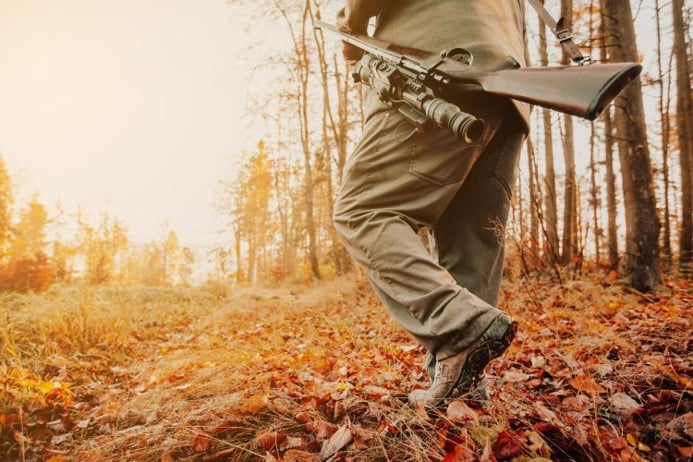
According to the U.S. Fish and Wildlife Service, there were 14.4 million hunters aged 16 and older in the United States in 2022, making hunting one of the most widely practiced outdoor pursuits in the country. For most of those hunters, the seasons themselves represent only a fraction of the year. Deer season closes. Elk tags expire. The water freezes or the birds move on. And then comes that long stretch of weeks or months where the gear sits in the garage and the calendar feels emptier than it should.
The offseason is not nothing, though. For serious outdoorsmen, it is as deliberate and structured as the hunting itself. Here is how North American hunters actually spend the time between seasons, and why most of them will tell you they are never truly idle.
Gear Maintenance: The Work Nobody Sees
The first thing most hunters do when a season wraps up is confront the gear they have been neglecting for the past several weeks. A rifle that needs a thorough cleaning. A bow with a worn string that needs replacing before it becomes a problem. Tree stands that took a beating from the weather. Boots that are starting to separate at the sole.
This is not glamorous work, but experienced hunters know it is where the next season is actually won or lost. Discovering a cracked scope mount in the offseason is an inconvenience. Discovering it the morning of opening day is a disaster. The habit of thorough post-season inspection, cleaning, and replacement is one of the clearest markers separating hunters who consistently perform from those who scramble.
Beyond maintenance, the offseason is also the time to upgrade. Prices on hunting gear are typically lower in the months immediately following the major seasons, and hunters who have spent time in the field know exactly what failed them and what they actually need rather than what looked good in a catalog.
Scouting: The Season Never Really Ends
Serious whitetail hunters never stop scouting. Trail cameras stay out year-round in many setups, providing continuous intelligence on movement patterns, buck activity, and herd health that shapes strategy for the following fall. Winter scouting carries its own advantages: the leaves are down, tracks are readable in snow, and rubs and scrapes from the previous rut are still visible and worth mapping.
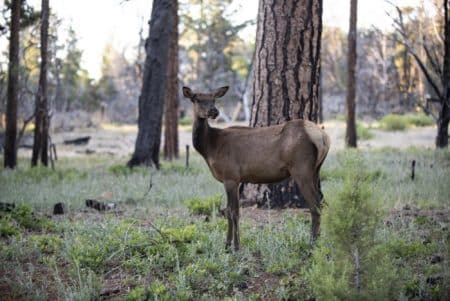
Shed hunting has grown enormously in popularity as an offseason activity, and for good reason. Finding shed antlers tells a hunter which bucks made it through the season and roughly where they are spending their time in late winter and early spring. For elk hunters, shed hunting in the high country serves the same function while also providing a reason to get back up into the terrain they will be hunting in the fall.
Spring scouting is equally valuable for waterfowl hunters assessing where birds will likely stage in the coming season, and for turkey hunters familiarizing themselves with new ground before the opener.
Physical Preparation: The Field Demands More Than People Expect
Elk hunting at elevation, multi-day backcountry trips, and early season deer hunting in the heat all have one thing in common: they expose exactly how fit or unfit a hunter is. The offseason is when that gap gets addressed, or does not.
Many dedicated hunters now treat the winter and spring months as a structured training period, building cardiovascular endurance for mountain terrain, strengthening knees and hips for long days on uneven ground, and maintaining the upper body strength that matters for packing out an elk. The physical demands of hunting are real, and the hunters who acknowledge them and train accordingly come back from the field in better shape than they went in.
Indoor Downtime: Rest, Entertainment, and Planning
Not every offseason evening needs to be productive. A significant part of the hunting culture has always involved campfire conversation, tall tales, and simply slowing down after an intense stretch of early mornings and long days in the field. That tradition has moved indoors for the winter months, and the ways hunters unwind have expanded considerably.
Online entertainment has become a common way to fill evenings during the long stretch between seasons. Some hunters scroll through hunting content, watch trail cam footage from other properties, or work through tactical videos and podcasts on their next target species. Others look for something entirely different to decompress from the outdoors focus, and digital gaming platforms have become a popular option. MrQ slots have found a broader audience among people looking for low-commitment, on-demand entertainment during downtime. MrQ, which has operated since 2018 under a UK Gambling Commission licence, carries over 1,000 games including its own exclusive titles from in-house studio Goosicorn, with no wagering requirements on winnings and a withdrawal guarantee of 60 seconds or a ten-pound compensation payment. It sits at the more player-friendly end of a market that has grown significantly as digital leisure options have multiplied.
Regardless of the format, the principle is the same: hunters who rest properly and recharge during the offseason show up to the next season sharper, more patient, and better prepared mentally for the long hours that good hunting requires.
Trip Planning: Next Season Starts Now
Some hunters use the offseason to plan hunts that are years in the making. Nonresident elk tags in the West, moose draws in Canada, guided bear hunts in British Columbia: these are not impulse decisions. They require research, application deadlines, outfitter research, and in many cases years in a preference point system before the tag actually comes through.
According to the U.S. Fish and Wildlife Service’s National Survey of Fishing, Hunting, and Wildlife-Associated Recreation, hunters in 2022 collectively spent billions on trip-related expenses including travel, lodging, and guide fees, figures that reflect how seriously the hunting community approaches the planning side of the pursuit. That planning largely happens in the months between seasons, when there is time to study unit maps, compare outfitter references, and make the calls that determine where you will be standing at first light a year or two from now.
Staying Connected to the Community
Hunting is as much social as it is solitary. The offseason is when many hunters re-engage with the community around the sport, attending sportsmen’s expos and hunting shows, connecting with other hunters online, volunteering for habitat projects, or sitting in on meetings for local hunting clubs and conservation organizations.
Organizations like the Quality Deer Management Association, Ducks Unlimited, and the Rocky Mountain Elk Foundation all do significant work during the offseason months, and the hunters who stay engaged with these groups during the quiet season are often the ones who understand the broader picture of conservation, access, and advocacy that keeps hunting healthy for the next generation.
The offseason is not time away from hunting. For the dedicated outdoorsman, it is just a different kind of hunting season.