






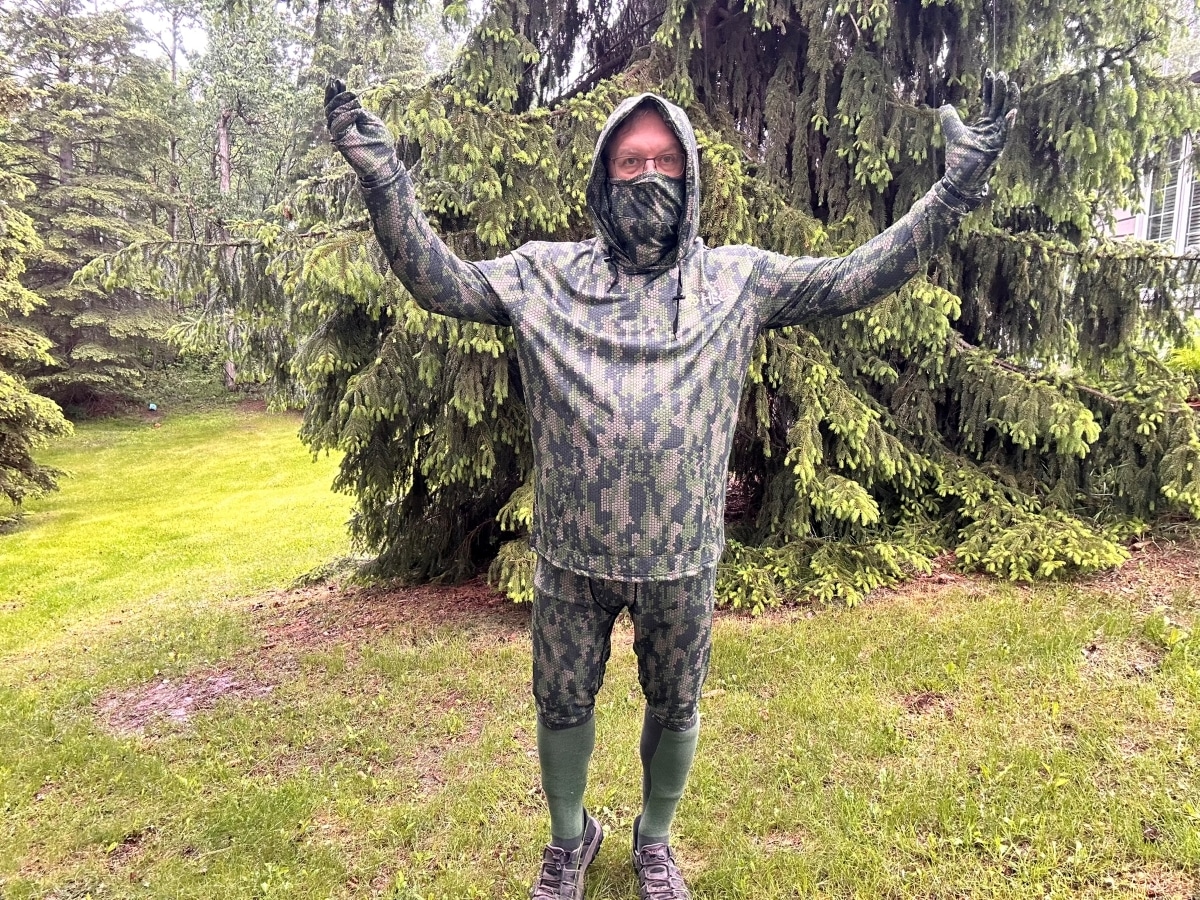
Hunters are constantly looking for small advantages that help them get closer to game. Wind direction, scent control, camouflage, movement, stand placement, and patience all matter, but the HECS Hunting Suit introduces another factor many hunters may not have considered: the bioelectric energy naturally emitted by the human body. This story looks at what HECS Hunting Suit claims to do, why the science continues to be discussed, and what real-world field testing revealed during close encounters with turkeys, black bears, squirrels, and even a curious river otter. The HECS Hunting Suit is not a magic cloak, and it does not replace basic hunting skills. But after multiple hunts and unusual wildlife interactions, it may be one more piece of the puzzle for hunters looking to stack every possible advantage in their favor.
What is the HECS Hunting Suit


The concept is not that HECS makes hunters invisible. It does not replace scent control, conceal movement, or eliminate sound. Instead, it is designed to reduce another potential clue that wildlife may use to detect danger. All the little details a hunter can put to their advantage often add up to success in challenging situations.
Fishy Sensitivity
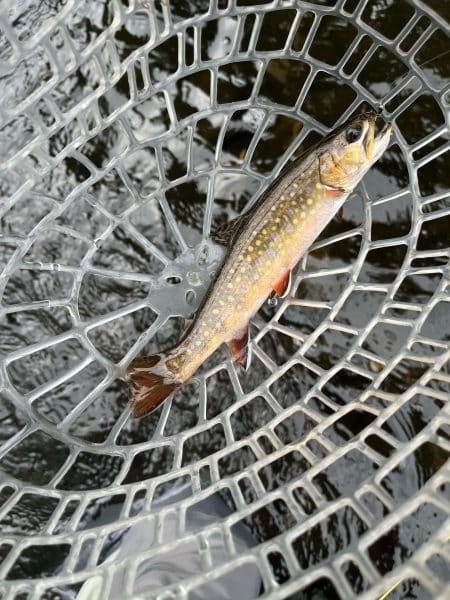
The idea gains credibility because we know many animals possess senses humans do not fully understand. Sharks can locate prey by detecting electrical signals. Certain fish can sense electrical currents in the water. Birds and other animals use the Earth’s magnetic field for navigation. The question becomes whether game animals may also possess sensitivities that hunters have largely overlooked. I started paying attention to HECs after watching a Netflix series on sharks, where teams tried to get the most photos of different species. All the participants wore HECS suits when diving, strongly believing it made a difference. I needed to dig deeper to better understand human energy.
Science is still debated. There is no argument that humans generate bioelectric signals. Medical devices measure them every day. The debate centers on whether deer, bears, turkeys, predators, and other wildlife can detect those signals at meaningful hunting distances and whether reducing those emissions changes animal behavior.
What I Discovered about HECS Hunting Suit


This is where personal experience enters the conversation. The only way I could make an honest and informed decision on using HECS was to suit up and hunt like I normally would. Over the past spring season, I spent considerable time wearing the HECS Hunting Suit while hunting a variety of species and habitats. What I have observed has been enough to keep me interested and continue testing the technology. There were even some wildlife interactions out of the ordinary, where I’d credit HECS for the unique encounters.
Turkey Hunting with HECS


On another spring turkey hunt, two hens and a mature gobbler came marching in, and at less than 20 yards my buddy whispered, “I think you better shoot him”. I was enjoying the show and wondering if I’d be noticed, but I wasn’t. Even after the shot, the hens took their time dispersing from the scene.
Bear Hunting with HECS


Another bear encounter may have been even more revealing. I was attempting to harvest a bear that had been wounded by an archer two weeks earlier. The animal was extremely cautious, so I had to set up on the ground rather than in a stand. Being at eye level with wildlife offers a completely different perspective than hunting from above them.
Eye-Level Game Encounters with HECS
River Otter – While waiting, a large mature river otter appeared in the boreal forest. It was completely out of place and far from the water. The otter continued walking directly toward me. As it approached, I could clearly see its needle-sharp teeth, elongated whiskers, and every detail of its coat. The animal never looked in my direction and continued on what seemed to be a collision course with my boots.
When the otter reached approximately six feet away, I shuffled my feet to avoid having it run into me. It stopped briefly but never appeared alarmed. More interestingly, it never seemed to recognize my presence. The otter simply turned around and casually walked back toward the cut line in the forest, nearly 75 yards away. At no point did it appear frightened or aware that a human was sitting only a few feet away. That encounter remains one of the most unusual wildlife experiences I have ever witnessed, giving HECS some serious credibility.
Grey Squirrels – Ground-level hunting has also given me another perspective on HECS. Squirrels have always been excellent indicators of how concealed I am. On countless hunts without HECS, squirrels eventually locate me and begin their nonstop scolding routine. They bark, chatter, and make it obvious they know something is not right. With a full HECS suit, I experienced something entirely different. On several occasions, squirrels approached so closely that one nearly ran up my pant leg. Instead of alarm calls and nervous behavior, they largely ignored me. Their lack of concern was impossible not to notice.
Could all these encounters be a coincidence? Absolutely. Wildlife behavior is influenced by countless variables, and no hunter should claim that one piece of clothing guarantees success. However, the encounters were unusual, and something was making the animals less wary and not alarmed or aware of my presence. At the same time, I have spent decades hunting in a wide range of habitats and pursuing everything from turkeys and bears to big-game animals and predators. The frequency of close, relaxed, and seemingly unaware wildlife encounters while wearing HECS has been different enough to catch my attention.
Is HECS Hunting suit a Hoax?
My instincts tell me there may be more to this technology than meets the eye. That does not mean hunters should abandon traditional woodsmanship. Wind direction still matters. Scent control still matters. Movement, setup selection, patience, and shot execution remain critical components of hunting success. A HECS suit, in my opinion, is one more piece of the puzzle to provide an advantage to the hunter.
The HECS Hunting Measured Advantage
What HECS may offer is another small advantage. Successful hunters understand that success often results from many small advantages working together. Rarely is there one magic solution. Instead, little details stack in your favor until they eventually create an opportunity.
Buy Hecs Hunting Gear on The Outdoor Outpost
The best advice I can offer is simple. Try it yourself. Wear HECS when you regularly encounter wildlife. Pay attention to how animals react. Observe the subtle differences in behavior. Then draw your own conclusions.


I will continue testing the technology and paying attention to wildlife responses. The more time I spend in the field wearing HECS, the more curious I become about which animals may be sensing and which may not. Early archery seasons will be a huge test, where elk, moose, deer, and antelope will let me know if my obvious nature is diminished by what I’m wearing, not by camouflage but by emitted energy.
What is a Full HECS Hunting Suit

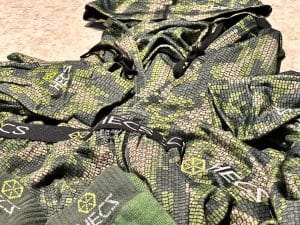
A full HECS hunting suit typically consists of a base-layer system that covers as much of the body as possible with carbon-infused fabric. Depending on the season and specific product line, most hunters will wear:
- HECS long-sleeved shirt or base-layer top
- HECS pants or leggings
- HECS hood or balaclava
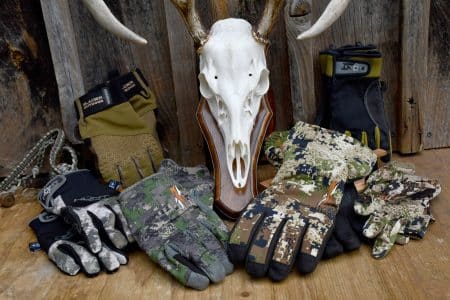
- HECS gloves
- HECS socks
To be effective, an entire suit is recommended. If portions of your body can still emit electromagnetic information, there really isn’t any sense in covering only parts of it.
How to Use a HECS Hunting Suit
The idea is to create continuous coverage from head to toe, maximizing the amount of the body’s bioelectric energy that is contained by the conductive carbon grid woven into the garments. Many hunters wear HECS components as a base layer beneath their regular hunting clothing, as I did. Others use lightweight outerwear versions during warm-weather hunts. The company also offers products tailored to specific activities, including hunting, fishing, and outdoor recreation.
During my testing, I wore a full HECS hunting suit consisting of the shirt, pants, hood, gloves, and socks beneath my regular hunting clothing. The goal was to maximize coverage and evaluate the system as intended. Whether sitting in a bear stand, stalking turkeys, or hunting from the ground, the full-body setup provided the most consistent opportunity to observe how wildlife reacted during close encounters.
Hunters Debate the Advantages
Most successful hunters understand that no single factor determines success. It is usually a combination of little advantages that add up over the course of a hunt. We pay attention to wind direction, scent control, camouflage, movement, stand placement, and equipment preparation because each small detail can make a difference. HECS fits into that same category, adding an element that can work in your favor.

The biggest argument in favor of the technology is that many hunters report calmer animal behavior during close encounters, like the otter and squirrels I played with in the woods. I’ve had plenty of discussions with other hunters in the past year to learn more about HECS. Deer, elk, bears, turkeys, and even fish sometimes seem less alert or less likely to react when everything else appears equal. Whether that advantage is large or small, many hunters believe it contributes to more natural animal behavior and more opportunities.
The reality is that every hunter and angler spends countless hours and dollars looking for an edge. If a product has the potential to provide even a slight advantage, it is worth considering. The benefits may not always be dramatic, or they might be, but hunting success often comes from stacking small advantages in your favor.
FAQ on HECS Hunting Suit
How does the HECS Hunting Suit work?
HECS uses a carbon-fiber grid within the clothing to help contain or reduce the bioelectric signals produced by the body. The goal is to limit one more potential clue that wildlife may use to detect a hunter.
Does a HECS Hunting Suit make you invisible to animals?
No. HECS does not make a hunter invisible, eliminate scent, hide movement, or silence noise. It is best viewed as another possible advantage when combined with sound woodsmanship.
Do animals really detect human energy?
That question is still debated. Humans generate measurable bioelectric signals, and many animals have senses humans do not fully understand. The open question is whether game animals detect those signals at meaningful hunting distances.
Do you need a full HECS Hunting Suit?
A full suit is recommended because the system is designed to cover as much of the body as possible. Typical pieces include a long-sleeved top, pants or leggings, a hood or balaclava, gloves, and socks.
Can you wear HECS under regular hunting clothes?
Yes. Many hunters wear HECS as a base layer beneath their normal hunting clothing. Others may use lightweight HECS outerwear during warmer hunts.
Is HECS a replacement for scent control?
No. Wind direction, scent control, movement, and setup selection still matter. HECS should be treated as one more possible edge, not a replacement for proven hunting fundamentals.
The best way to understand HECS is not by reading claims or arguments. Wear it in the field, observe how wildlife reacts, and draw your own conclusions. Like many aspects of hunting, confidence plays an important role, and confidence built from personal experience is worth more than any marketing claim.