




There is nothing quite like that first bitter-cold morning in the deer woods. Frost covers the ground, your breath hangs in the air, and the leaves crunch beneath your feet as you make your way to the stand. You settle in before daylight, confident that the conditions are perfect for deer movement. But two hours later, the biggest thing on your mind isn’t the buck you’ve been watching on trail camera. It’s how cold your feet have gotten.
Cold feet can ruin a hunt in a hurry. Once your toes start going numb, sitting still and concentrating becomes increasingly difficult. That’s why choosing the best cold weather hunting boots is about more than comfort. It’s about staying in the woods when the conditions are at their toughest and the hunting is often at its best.
Whether you’re sitting through a freezing November morning in the Northeast, trudging through snow in the Midwest, or covering miles of rugged terrain in the mountains, the right insulated hunting boots can make a significant difference.
For our 2026 guide, we’ve selected six boots that address different hunting conditions and budgets. From heavily insulated rubber boots designed for stationary whitetail hunting to supportive leather boots built for covering ground, here’s what you need to know before choosing your next pair.
Affiliate disclosure: This article contains affiliate links. We may earn a commission from qualifying purchases at no additional cost to you. Product recommendations are based on published specifications and intended hunting applications.
Our Overall Pick
LaCrosse Alphaburly Pro 1600G
For the dedicated late-season whitetail hunter who spends hours sitting in a freezing treestand, the LaCrosse Alphaburly Pro 1600G is our top recommendation. Its combination of heavy insulation, tall waterproof construction, and protective rubber upper makes it particularly well suited to long, cold sits.
Jump to a Section
Best Cold Weather Hunting Boots: Our Picks at a Glance
Every boot on this list has a purpose. Some prioritize insulation and waterproof protection for long stationary sits. Others are better suited to hunters who spend more time walking than waiting.
LaCrosse Alphaburly Pro 1600G
Heavy insulation and waterproof protection for long, freezing treestand sits.
Muck Arctic Pro
Thick neoprene, fleece lining, and underfoot thermal protection for harsh winter conditions.
Rocky Sport Pro Rubber 1200G
Substantial insulation and waterproof construction at a more approachable price.
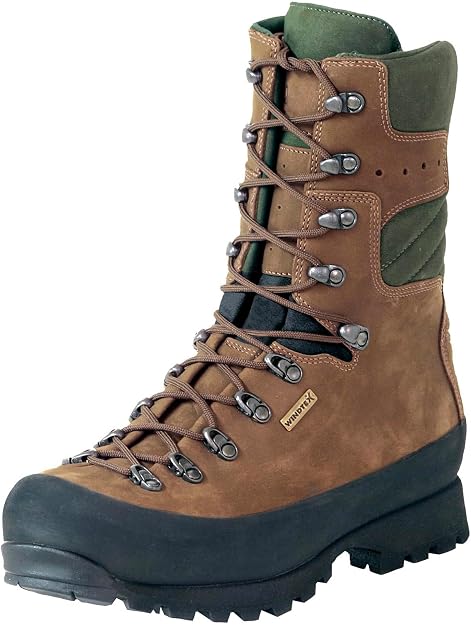
Kenetrek Mountain Extreme 400
Supportive leather construction with moderate insulation for rugged terrain.
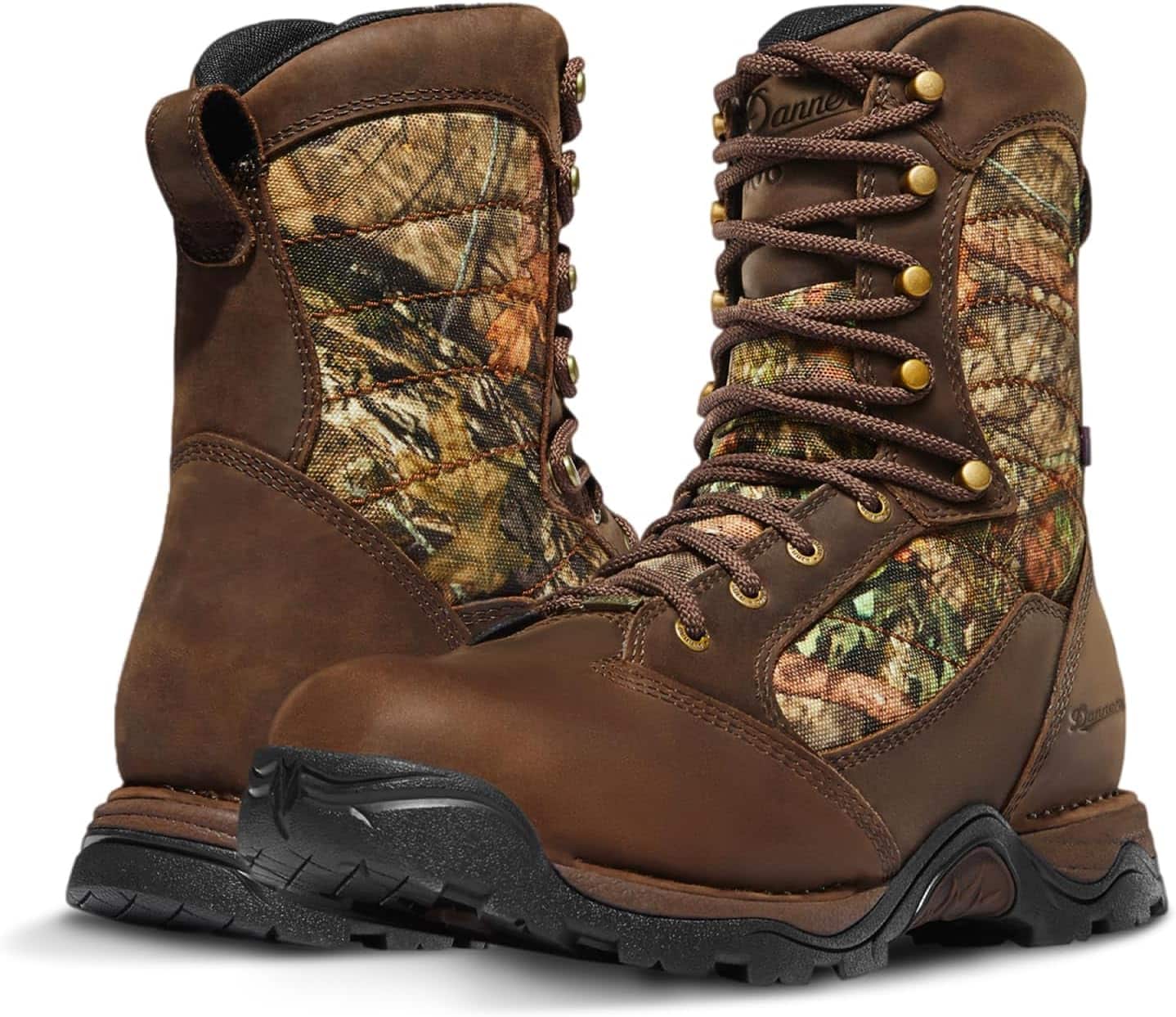
Danner Pronghorn
A traditional, supportive hunting boot for hunters who spend more time on their feet.
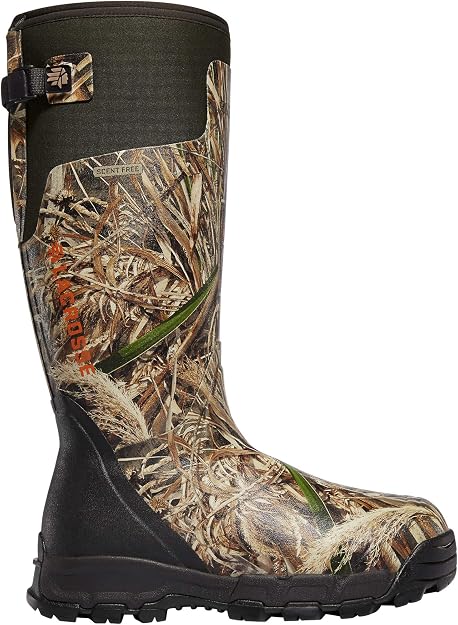
LaCrosse Alphaburly Pro 800G
A versatile waterproof rubber boot for hunters alternating between walking and sitting.
Cold Weather Hunting Boots Comparison Chart
Compare insulation, waterproof protection, and hunting applications across all six recommended boots. On smaller screens, scroll horizontally to view the entire chart.
The Best Cold Weather Hunting Boots Reviewed
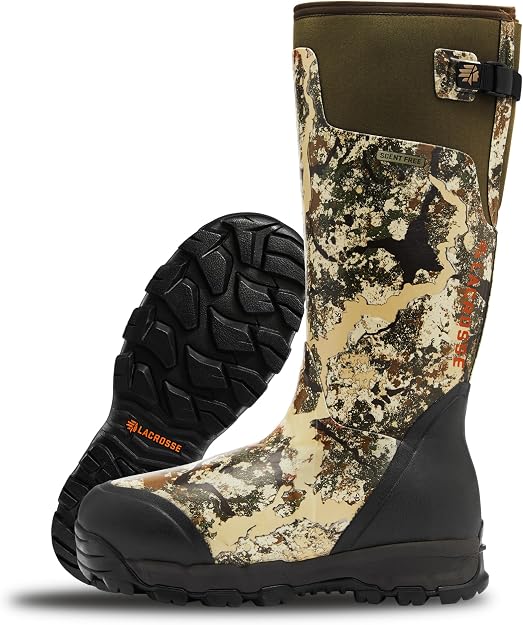
1. LaCrosse Alphaburly Pro 1600G
The LaCrosse Alphaburly Pro 1600G is designed for long, cold hunts in wet conditions.
If your typical late-season hunt means a relatively short walk followed by hours of sitting still, the LaCrosse Alphaburly Pro 1600G deserves serious consideration. Its 1600 grams of Thinsulate Ultra insulation and tall, waterproof construction are designed for exactly that kind of hunting.
LaCrosse uses a rubber-over-neoprene construction that provides waterproof protection in snow, mud, and wet vegetation. The 18-inch upper offers substantial coverage, while an adjustable rear gusset helps accommodate different calf sizes and clothing combinations.
Underfoot, the boot includes an EVA midsole for cushioning and a Burly Pro outsole intended to provide traction in varying hunting conditions. The embossed liner is designed to encourage air circulation, although these boots remain substantially warmer and less breathable than typical lightweight hiking footwear.
For stationary whitetail hunting, the insulation package is a major selling point. However, that additional protection comes with extra weight and bulk. Hunters who routinely cover several miles may prefer a lighter, more supportive boot.
- Insulation: 1600g Thinsulate Ultra
- Height: 18 inches
- Construction: Waterproof rubber over neoprene
- Outsole: Burly Pro
- Best use: Long, cold treestand sits
Reasons to Buy
- Heavy insulation intended for very cold conditions
- Tall waterproof protection
- Adjustable calf gusset
- Appropriate for stationary whitetail hunting
Things to Consider
- Heavier than many leather hunting boots
- Can become excessively warm during long walks
- Rubber construction offers limited ventilation
Our verdict: The Alphaburly Pro 1600G is our overall recommendation for the dedicated late-season whitetail hunter who spends long hours sitting in cold weather and prioritizes insulation and waterproof protection.
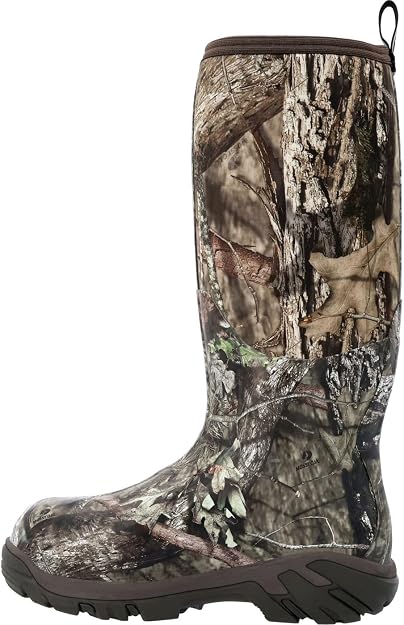
2. Muck Arctic Pro
The Muck Arctic Pro incorporates neoprene, fleece, and underfoot thermal foam.
When the ground freezes and snow begins piling up, staying comfortable becomes one of the biggest challenges of a successful hunt. The Muck Arctic Pro is built with that problem in mind.
Rather than relying on a traditional gram-rated insulation package, the Arctic Pro uses an 8mm neoprene bootie combined with a warm fleece lining and additional thermal foam beneath the footbed.
That underfoot construction is particularly relevant to stationary hunters. When you’re standing on frozen ground or resting your boots against a cold treestand platform, you can lose a significant amount of heat through the soles.
The Arctic Pro also offers waterproof construction and a Bob-Tracker outsole for traction across loose ground and muddy terrain. Its pull-on design is straightforward, and the tall upper provides protection in wet conditions.
The primary drawback is breathability. Hunters who walk several miles at a brisk pace may find that the boot’s thick insulation system retains too much heat and moisture.
- Insulation system: 8mm neoprene, fleece lining
- Underfoot insulation: 2mm thermal foam
- Waterproof: Yes
- Outsole: Bob-Tracker
- Best use: Very cold and wet hunting conditions
Reasons to Buy
- Thick neoprene construction
- Additional thermal foam beneath the footbed
- Waterproof protection
- Convenient pull-on design
Things to Consider
- Can be bulky
- Limited ventilation during active hunting
- More insulation than needed for milder conditions
Our verdict: The Arctic Pro is a strong choice for hunters facing harsh winter conditions, especially those who prioritize warmth and waterproof protection over long-distance hiking performance.
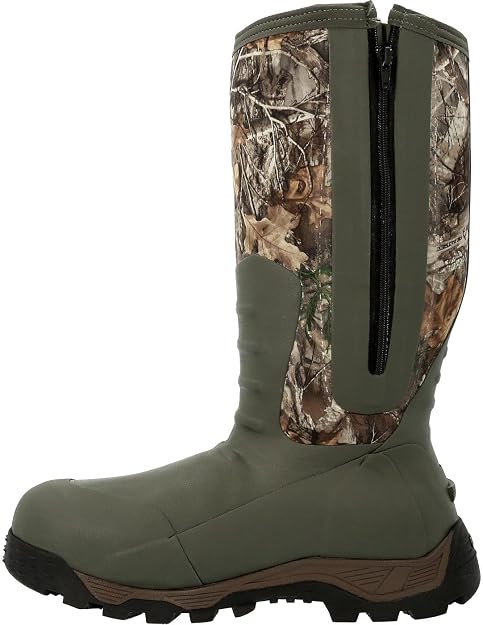
3. Rocky Sport Pro Rubber 1200G
The Rocky Sport Pro 1200G offers substantial insulation and side-zip convenience.
Not every hunter wants to spend several hundred dollars on a pair of late-season boots. The Rocky Sport Pro Rubber 1200G offers many of the features associated with premium insulated rubber hunting footwear at a more approachable price.
The Sport Pro incorporates 1200 grams of 3M Thinsulate Ultra insulation, a waterproof rubber foot, and a neoprene upper. Its 16-inch height provides useful coverage for snow, mud, and wet vegetation.
One of the more practical features is the side zipper. Anyone who has struggled to remove tall rubber boots after a long day understands the value of easier entry and removal. Rocky combines that with an adjustable calf design for a more accommodating fit.
A multidirectional outsole provides traction across varied hunting terrain, while a removable cushioned footbed adds convenience.
Like other heavily insulated rubber boots, this isn’t necessarily the ideal option for hunters who spend most of their day walking. Its insulation and rubber construction are better suited to cold, relatively stationary hunting.
- Insulation: 1200g 3M Thinsulate Ultra
- Height: 16 inches
- Construction: Rubber and neoprene
- Closure: Side zipper
- Best use: Affordable late-season hunting protection
Reasons to Buy
- Substantial insulation
- Waterproof construction
- Convenient zipper
- Good value relative to premium options
Things to Consider
- Not designed primarily for rugged mountain hiking
- Heavy insulation can retain perspiration
- Zipper should be kept clean and maintained
Our verdict: For hunters seeking an insulated, waterproof rubber boot without moving into the highest price ranges, the Rocky Sport Pro 1200G deserves a place on the shortlist.
4. Kenetrek Mountain Extreme 400
The Kenetrek Mountain Extreme 400 is intended for demanding terrain and active cold-weather hunting.
The best boot for sitting in a whitetail stand isn’t necessarily the boot you want when climbing steep ridgelines or packing meat out of the backcountry. That’s where the Kenetrek Mountain Extreme 400 comes in.
Rather than maximizing insulation, Kenetrek emphasizes structural support, durability, and traction. The Mountain Extreme 400 features a 10-inch leather upper, a waterproof Windtex membrane, and 400 grams of Thinsulate insulation.
Its stiff 7mm nylon midsole helps provide support when traversing uneven terrain or carrying heavy loads. Kenetrek’s K-Talon outsole uses aggressive lugs designed for traction, while a reinforced rubber sole guard protects the leather from abrasion.
This combination makes considerably more sense for hunters covering long distances in mountainous terrain than a heavy, flexible rubber boot.
However, with 400 grams of insulation, the Mountain Extreme 400 is not our first choice for a hunter planning to remain motionless in a freezing treestand for six hours.
- Insulation: 400g Thinsulate
- Height: 10 inches
- Upper: Full-grain leather
- Waterproofing: Windtex membrane
- Midsole: 7mm nylon
- Outsole: K-Talon
- Best use: Mountain and backcountry hunting
Reasons to Buy
- Strong structural support
- Durable leather construction
- Waterproof membrane
- Designed for demanding terrain
Things to Consider
- Premium price
- Not heavily insulated for stationary use
- Fit and break-in are especially important
Our verdict: Hunters who cover serious ground in rugged conditions will appreciate the Mountain Extreme 400’s emphasis on support, durability, and appropriate insulation for active use.
5. Danner Pronghorn
Danner’s Pronghorn offers traditional leather hunting-boot construction with modern support features.
There is a reason the Danner Pronghorn has been a familiar name among hunters for years. Its traditional lace-up design provides a different approach to cold-weather hunting footwear than the tall rubber boots that dominate this guide.
The Pronghorn family combines leather construction with technical materials intended to provide support, durability, and waterproof protection. Depending on the generation and configuration, Pronghorn models incorporate technologies such as GORE-TEX waterproofing and Danner’s TERRA FORCE NEXT support platform.
That structured fit is especially appealing to hunters who walk substantial distances, climb uneven ground, or want a boot that can transition between deer hunting, scouting, and other outdoor activities.
Insulation is an important consideration, however. Danner offers multiple Pronghorn versions, including insulated options, and not every model provides the same amount of warmth. Hunters should verify the exact insulation level listed for the pair they’re purchasing.
For active hunters who want the familiar feel of a traditional leather boot, the Pronghorn is a compelling alternative to waterproof rubber pull-ons.
- Insulation: Varies by model
- Upper: Leather and technical materials
- Waterproofing: GORE-TEX on applicable versions
- Closure: Traditional lace-up
- Support: TERRA FORCE NEXT on applicable models
- Best use: Active hunting and varied terrain
Reasons to Buy
- Supportive lace-up construction
- Traditional hunting-boot styling
- Waterproof configurations available
- Useful for hunters who cover ground
Things to Consider
- Insulation varies by model
- Less water coverage than tall rubber boots
- Leather requires regular maintenance
Our verdict: The Pronghorn is our premium lace-up selection for hunters who prioritize support, fit, and versatility. For harsh winter use, choose an appropriately insulated configuration.
6. LaCrosse Alphaburly Pro 800G
The Alphaburly Pro 800G offers waterproof protection with less insulation than the 1600G version.
Not every cold-weather hunting trip takes place in single-digit temperatures. For many hunters, late season involves a mix of cold mornings, warmer afternoons, and plenty of walking between stands or scouting locations.
In those conditions, the LaCrosse Alphaburly Pro 800G may be a better choice than its more heavily insulated counterpart.
The boot uses a waterproof rubber-over-neoprene construction similar to the 1600G model but incorporates 800 grams of Thinsulate Ultra insulation. That makes it a practical middle-ground option for hunters wanting waterproof coverage without committing to the heaviest insulation package.
For a hunter walking to a stand, checking trail cameras, or moving between hunting locations, this amount of insulation can be easier to manage during variable temperatures.
The trade-off becomes apparent when the weather turns especially cold and you remain motionless for several hours. In those situations, additional insulation or insulated boot covers may be appropriate.
- Insulation: 800g Thinsulate Ultra
- Construction: Waterproof rubber over neoprene
- Closure: Pull-on
- Best use: Moderate cold and mixed activity
Reasons to Buy
- Useful moderate insulation level
- Waterproof rubber construction
- Appropriate for variable hunting conditions
- More versatile for mixed activity
Things to Consider
- Less insulation for extreme cold
- Limited breathability
- Not as supportive as dedicated mountain boots
Our verdict: The Alphaburly Pro 800G is a practical option for hunters who want waterproof protection during chilly mornings and don’t necessarily need the heavy insulation of an extreme-cold boot.
How Much Insulation Do You Need in Hunting Boots?
One of the biggest mistakes hunters make when shopping for cold-weather footwear is assuming that more insulation automatically means a better boot.
That’s not necessarily true. A hunter hiking three miles into the mountains generates considerable body heat, even when temperatures are below freezing. Put that same hunter in a treestand for four hours without moving, and their insulation requirements change dramatically.
These general guidelines can help you choose the right insulation level for your hunting style.
Insulation weight is not a universal temperature rating. Boot construction, insulation material, fit, moisture, sock selection, activity level, and individual cold tolerance all affect warmth. Neoprene-based systems cannot be compared directly to gram-rated synthetic insulation.
How to Choose the Best Cold Weather Hunting Boots
1. Match Your Boots to Your Hunting Style
The best boot for a whitetail hunter sitting motionless in a treestand isn’t necessarily the best boot for an elk hunter climbing ridgelines. Stationary hunting requires a greater emphasis on insulation, while active hunting demands mobility, traction, support, and moisture management.
2. Waterproofing Matters
Wet feet become cold feet quickly. Snow, slush, muddy trails, and damp vegetation can challenge a boot’s waterproof protection. Rubber boots are especially useful in wet environments, while waterproof leather boots may be a better match for hunters who prioritize hiking support.
3. Proper Fit Is Essential
Boots that are too tight can compress your socks and limit circulation. Oversized boots can create heel movement, blisters, and instability. Try boots on with the socks you intend to wear while hunting, making sure your toes can move without sacrificing a secure fit.
4. Consider Walking Distance
If you’re only walking a few hundred yards to your stand, substantial insulation may be worth the extra weight. If you regularly cover several miles, a lighter and more supportive boot can offer a better overall experience.
Of course, not every boot needs to be built exclusively for hunting. If you’re looking for durable footwear that can handle long days on the jobsite, working around your property, or tackling outdoor chores, check out our guide to the best work boots. We compare six options for comfort, durability, traction, and all-day support.
5. Pay Attention to Traction
Frozen leaves, wet rocks, muddy slopes, and packed snow can create dangerous footing. Look for an outsole appropriate for the terrain you hunt. No standard hunting boot guarantees traction on smooth ice, so use supplemental traction devices where appropriate.
How to Keep Your Feet Warm While Deer Hunting
Even the best insulated hunting boots can struggle when paired with the wrong socks or used improperly. A few simple adjustments can make a meaningful difference during late-season hunts.
- Start with completely dry boots and socks. Remove insoles and allow the interior to dry between hunts.
- Wear merino wool or moisture-wicking synthetic socks rather than cotton.
- Avoid wearing socks so thick that they make your boots uncomfortably tight.
- Manage perspiration during the walk to your stand.
- Consider insulated boot covers for long stationary sits.
- Replace damp socks before settling into the stand when practical.
- Choose footwear that matches the conditions and how much movement your hunt requires.
A Late-Season Hunting Tip
If your feet regularly get cold in a treestand, the solution isn’t always buying boots with more insulation. Sweaty socks, restricted circulation, and heat loss through the soles can all contribute to cold feet. Address those issues before assuming you need a completely different pair of boots.
How We Evaluated These Hunting Boots
For this guide, we reviewed published manufacturer specifications and compared insulation systems, waterproof protection, construction, outsole designs, support features, and intended hunting applications.
Rather than choosing the most heavily insulated boot in every category, we focused on matching each model to specific hunting conditions. A winter whitetail hunter sitting in a stand requires different footwear than a mountain hunter climbing through snow with a heavy pack.
This is a researched buying guide, not a controlled head-to-head field test of all six boots. We have not represented manufacturer temperature claims, waterproofing claims, or durability characteristics as independently measured test results.
As our contributors gain hands-on experience with these models, we’ll evaluate comfort during long sits, traction on real hunting terrain, waterproof performance, moisture management, and long-term durability.
Which Hunting Boot Is Best for Your Situation?
The best choice depends on whether your hunt involves hours of sitting, long distances on foot, severe cold, or constantly changing conditions.
Frequently Asked Questions
What are the best hunting boots for extreme cold?
The LaCrosse Alphaburly Pro 1600G and Muck Arctic Pro are strong options for very cold, stationary hunting. Both emphasize insulation and waterproof protection, although they use different insulation systems.
Are 800g hunting boots warm enough for winter?
They can be, particularly when walking is a significant part of the hunt. For extended stationary sits in very cold conditions, a heavier insulation package may be more appropriate.
Are rubber hunting boots warmer than leather boots?
Not necessarily. Warmth depends on insulation, fit, moisture management, and construction. Rubber boots provide excellent waterproof coverage, while insulated leather boots can offer substantial warmth with better support for extended walking.
Should I buy hunting boots one size larger for thick socks?
Not automatically. Choose a boot that fits properly with your intended hunting socks. Excessively tight boots can restrict circulation, while oversized boots can allow uncomfortable movement.
What socks should I wear with insulated hunting boots?
Merino wool and moisture-wicking synthetic socks are popular options. Avoid cotton, which can retain moisture. Match the thickness of your socks to the fit of your boots.
Do I need 1600g insulation for deer hunting?
Not necessarily. Heavy insulation is useful for extended stationary hunts in very cold conditions. Hunters walking long distances or hunting in milder weather may prefer less insulation.
How can I keep my feet warm during an all-day hunt?
Start with dry boots and moisture-wicking socks, avoid overly tight footwear, manage perspiration during the walk, and consider insulated boot covers for long stationary sits. Persistent numbness, significant pain, or unusual skin color can indicate a cold injury and should be addressed promptly.
Final Verdict: Best Cold Weather Hunting Boots of 2026
Cold-weather hunting is demanding enough without spending the entire morning thinking about your feet. The right boot should let you concentrate on the woods, the conditions, and the opportunity in front of you.
For most dedicated late-season whitetail hunters, our overall recommendation is the LaCrosse Alphaburly Pro 1600G. Its heavy insulation and tall waterproof construction make it well suited to long stationary sits in cold, wet conditions.
The Muck Arctic Pro is another strong choice for harsh winter conditions, particularly when underfoot insulation and waterproof protection are priorities.
Hunters seeking value should consider the Rocky Sport Pro Rubber 1200G. Those covering substantial distances in the mountains will be better served by the supportive Kenetrek Mountain Extreme 400.
The Danner Pronghorn offers a traditional lace-up alternative for active hunters, while the LaCrosse Alphaburly Pro 800G provides a practical middle ground for moderately cold conditions.
Ultimately, the best cold weather hunting boots are the ones that fit your feet, match your hunting style, and protect you from the conditions you’re likely to face. Choose wisely, and you may be able to stay comfortable through those final hours of daylight when a November buck finally makes his appearance.
LaCrosse Alphaburly Pro 1600G
Our top recommendation for long, cold late-season whitetail sits.
More Hunting Gear Guides
Still comparing footwear for different hunting conditions? Check out our Best Hunting Boots guide for more options across different seasons and terrain.
Don’t forget about hand protection. Our Best Hunting Gloves guide can help you complete your cold-weather hunting setup.
Editorial note: Specifications are based on manufacturer-published product information. Models, colors, insulation configurations, pricing, and availability may vary. Verify the exact version before purchasing. This guide represents researched product recommendations rather than controlled head-to-head field testing of every model.
Per our affiliate disclosure, we may earn revenue from the products available on this page. To learn more about how we test gear, click here.