




Having spent over twenty years in the predator hunting industry and nearly thirty years calling coyotes, I have had the opportunity to witness new designs and technologies that would amaze the pioneers who used coyote calls if they were still around to hunt. When I went on my first coyote hunt as a young teenager, I packed a heavy cassette caller along with all my hunting gear. The speaker was large, the electronic box was heavy, and the cord connecting the two limited mobility and kept me close to the call so I could change sounds by manually swapping out a cassette, which usually only had one sequence of sounds.
Today, the predator world uses Bluetooth to wirelessly play hundreds of different sounds. Modern speakers are top quality, callers are smaller and lightweight, and most come with a remote that can operate from hundreds of yards away. Calling predators, especially with modern technology, combines science and theater, and using the right call makes the entire performance convincing when hunting. Here are my top picks across categories (electronic, handheld mouth calls, diaphragm, and value), along with why each stands out, who it’s best suited for, and a brief overview of the pros and cons so that you can pick the right call for your setup.
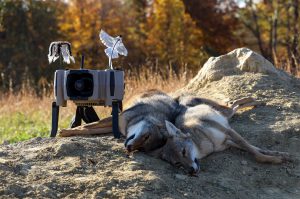
For your convenience, our list of winners is as follows – click the link to shop or keep reading to see how and why it was chosen.
🛒Best Overall — FoxPro X360
🛒Best Electronic Call — IcoTech Outlaw +
🛒Most Affordable Electronic Call — Primos Double Take Electronic Call
🛒Best Hand Call — Johnny Stewart Open Reed Predator Call
🛒Best Diaphragm Call — MFK Howler MOFO Howler
🛒Best Overall — FoxPro X360
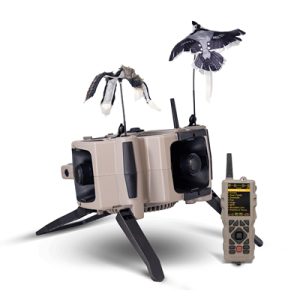
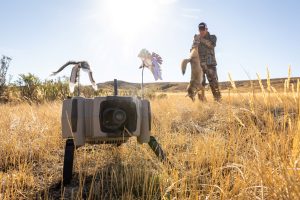
The FoxPro X360 electronic caller sets a new standard in audio quality, technology, and advanced features, raising the bar for predator callers and call manufacturers. The X360 provides industry-leading 32-bit ultrasonic sound with a 7-speaker system featuring 3XHD+ speakers. It also has 3 improved tweeters for better frequency response and a full-range speaker. The X360’s innovative 360 sound feature randomly moves sounds across the speakers, delivering unmatched realism when playing wildlife calls. Additionally, it includes Bluetooth for streaming from your phone and playing your favorite sounds, and it also uses the two included music modes for recreational use at home. Other features include 2 built-in decoys and an impressive remote with options like 5 independent decoy speeds, a stand timer, weather updates, and a built-in scale to weigh coyotes, bobcats, or foxes after the harvest.
Why it wins:
The X360 is the ideal choice for serious predator hunters. When testing this new unit, I was immediately impressed with the new TX2000 remote. From the start, you can tell it is built tough. As I scrolled through the features, I found an impressive sound library, a stand timer, barometric pressure and temperature readings, and much more. Since FoxPro is known for leading the electronic call industry, I can see the thought and dedication that went into the design, which is very impressive. When I moved to the body of the call, the first thing I noticed was its weight. Weighing nearly ten pounds, it is a solid unit. However, after examining the unit’s legs, the decoys, and the various 360-degree speakers, I’m not upset that it weighs a bit more. For the serious predator hunter, this is the unit.
Best for:
The serious predator hunter who wants a single go to electronic caller for stand hunts, long range calling, and customizable sequences, along with all the bells and whistles that a die hard hunter could ask for.
Pros
- Massive sound library and advanced sequencing
- Impressive speaker quality for distance and clarity
- Intuitive remote with features, built-in scale, and programmable presets for advanced callers and hunters
- Built like a tank, durable and weather-resistant
Cons
- Pricey compared to budget units
- Many features can be overkill for a casual caller
🛒Best Electronic Call — IcoTech Outlaw +

IcoTech is another name that predator hunters have relied on and appreciated in recent years. Lately, they have maintained their position at the top with the IcoTech Outlaw +.
The IcoTech Outlaw + predator call/decoy combo offers professional grade durability, sound quality, volume, and long range remote activation, making it easy to use during a hectic predator hunt. Designed by and for professional predator hunters who demand performance but want a practical price, the Outlaw + features up to 100-yard Bluetooth range, a 300-yard remote range, storage for up to 2,000 sounds, and improved volume and sound clarity, along with the AD400 adjustable speed decoy.
Why it wins:
The Outlaw+ highlights realism and user-friendliness. This call is another unit where you can feel the quality in the design. When testing the performance and sound of this call, it delivered lifelike predator and prey sounds effortlessly, and it’s calibrated to produce sounds that coyotes focus on. In other words, when using this unit, it’s easy to understand, yet it still offers quality features. It’s an excellent choice for callers seeking premium electronic performance without a complicated interface.
Best for:
Hunters who prioritize authenticity of sound and straightforward operation.
Pros
- Natural sounding tones and caller presets
- Clean, punchy output that mimics real animals
- Simple interface – Quick to program in the field
Cons
- Higher end price tier
- Fewer bells and whistles than some flagship units (if you want full customization)
🛒Most Affordable Electronic Call — Primos Double Take Electronic Call

The Double Take Electronic Calling System offers an impressive range, volume, and crisp audio to effectively attract predators. Utilizing high quality 24-bit sound, it delivers strong, realistic calls while maintaining clarity. The system features 100 proven sounds from Randy Anderson and 8 expert hunts, providing hunters with a versatile, ready-to-use calling solution straight out of the box.
With a full color backlit remote offering control up to 120 yards, the Double Take is easy to operate even in low light conditions. Multi-directional speakers, built-in retractable legs, and an integrated decoy attachment system enable flexible, effective setups on any terrain. An SD card slot makes expanding and customizing your sound library simple, while external speaker and decoy jacks add even more versatility.
Why it wins:
I have always been a fan of dual speaker callers. If you’re starting or need a backup caller without spending too much, the Double Take offers excellent value. I first saw this call at a trade show a couple of years ago, when it was still a concept. Now, on the market, it provides a reliable set of sounds and simple operation. The remote was easy to use, worked great, and the sound quality was impressive for its price range.
Best for:
Beginners, budget conscious hunters, or as a secondary unit.
Pros
- Very affordable
- User friendly controls
- Surprisingly realistic sounds for the price
Cons
- Limited customization and fewer premium sounds
- Build quality is adequate but not premium
🛒Best Hand Call — Johnny Stewart Open Reed Predator Call

The open reed design of this call lets it produce a full range of coyote vocalizations, making it very versatile in the field. Made with rubberized material, it provides a more natural sound that closely mimics real wildlife.
Why it wins:
I first came across this call while shopping at my hometown Bass Pro Shops. As I looked at the latest predator calls, I was initially impressed by the low cost of this call. After purchasing it, I took it home and started trying it out. I was captivated by the realistic sound from a small, compact hand call. It was easy to use and had the flexibility in the lower body to change the sound’s inflection and direct the call. Nothing beats a skilled hand caller for spontaneity and realism. The Johnny Stewart open-reed is a staple because it produces a wide range of predator vocalizations, including yips, barks, and screams, with excellent tonal control.
Best for:
Beginning or experienced predator hunters who practice mouth/hand calling and want superb tonal range and control.
Pros
- Extremely versatile sound palette
- Outstanding responsiveness to different techniques
- Lightweight and durable
Cons
- Requires practice to perfect
- Performance varies with user skill
🛒Best Diaphragm Call — MFK Howler MOFO Howler
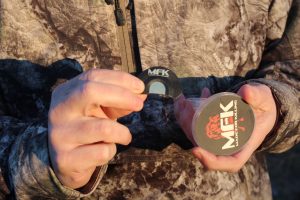
The MFK MOFO Howler is a 2-reed, light backbone call with a light stretch. Designed to perform like MFK’s popular Competition Howler, but with the feel
like one of their easier blowing light reed calls.
Why it wins:
Diaphragm calls (mouth calls) are probably my favorite type of coyote call. I’ve tried many different diaphragm calls over the years. I remember using an MFK howler for the first time several years ago and recalling that it sounded great. I had forgotten just how good it sounded until I received this call in the mail, along with a small “how to spread the gospel” book that every customer gets when they order a call. That made a strong first impression. Beyond that, using the MFK MOFO howler is extremely impressive. This is one of the most realistic mouth calls I’ve ever used. It offers incredible realism and versatility and is relatively easy to use. The MFK Howler MOFO is designed to produce raw, howl focused tones that predators respond to, which is perfect for close range vocal exchanges and it did just that and more.
Best for:
Those hunting pressured areas or those who like to create back-and-forth vocal contests at short range.
Pros
- Produces authentic howls and short yips
- Great for dual calling with hand calls or electronics
- Compact and easy to carry
Cons
- Takes practice to control volume and pitch
- Not a “one-call-fits-all” – Better for specific sequences
How I Evaluated These Calls
- Realism: Does the call produce tones and sounds that coyotes actually respond to
- Versatility: Can it cover multiple predator scenarios (e.g., pup sounds, wounded prey, defensive yips)
- Usability: Ease of program/use in the field, durability, battery life (for electronics), and portability.
- Value: Performance relative to cost.
Quick Buying Tips
- Match the call to your style – If you sit all day in a treestand, choose a full-size electronic caller with presets. If you run-and-gun, a handheld or quality mouth call is better.
- Layer sounds – Coyotes are suspicious; layering a mouth or hand call with an electronic call can create the illusion of multiple animals and increase realism.
- Start with fundamentals – Learn one or two hand and diaphragm techniques before trying complicated sequences. Realism beats volume.
- Battery and weatherproofing – For electronics, check battery type/length and how the unit handles wet/cold conditions.
- Practice – Hand and diaphragm calls require time. Practice different tones and pacing before taking them into the field.
Final Verdict
If you’re seeking a single recommendation to simplify things, the FoxPro X360 is the best all-around choice if budget isn’t your primary concern. For those who still want a high quality, feature rich call, the IcoTech Outlaw+ is a top choice. If you’re starting out or need an affordable unit, the Primos Double Take is a smart option. But never underestimate the power of traditional practice with a Johnny Stewart hand call or an MFK Howler diaphragm, which creates real human-controlled nuance and still wins in many cases.
Per our affiliate disclosure, we may earn revenue from the products available on this page. To learn more about how we test gear, click here.