





After spending time with some of the top options on the market, I have narrowed the field to seven selections covering everything from warm-weather bowhunting to bitter late-season cold. The list includes traditional merino wool, affordable synthetics, electrically heated base layers, and heated socks for hunters who struggle to keep their feet warm.
Jump to a Section
Best Hunting Base Layers: Our Picks at a Glance
Best Overall
Kifaru SPIKE Merino Hoodie
Lightweight 150-weight merino delivers excellent comfort, moisture management, and versatility.
Best Budget
Huntworth Fallon Long Sleeve
Affordable synthetic performance with four-way stretch, breathability, and odor-control treatment.
Best Merino Wool
Tuo Gear KINETIC Merino 150 Hoodie
Merino comfort combined with a nylon-core construction for improved durability.
Editor’s Choice | Best for Extreme Cold
Fieldsheer Heated Base Layer
Rechargeable electric warmth for stationary hunters facing freezing temperatures.
Best Warm-Weather Protection
ScentLok Sun Tech Hoodie
Breathable coverage with UPF 50 protection for sunny early-season hunts.
Best for Bowhunting
KUIU ULTRA Merino 145 Zip-T
Lightweight merino with excellent mobility and zip-neck temperature control.
Editor’s Choice | Best Heated Hunting Socks
Rechargeable Heated Hunting Socks
Supplemental warmth for cold feet during long treestand sits and winter hunts.
How We Evaluated Hunting Base Layers
Hunting base layers are difficult to judge from a product description alone. A fabric that feels comfortable around the house might become uncomfortable after a mile-long hike, while a shirt that excels during warm-weather scouting may be completely inappropriate for sitting motionless in freezing temperatures.
The original field evaluations included scouting, turkey hunting, early-season bowhunting, and extended periods outdoors. Those experiences provided the foundation for assessing comfort, movement, fabric construction, odor management, and layering performance.
Our evaluation priorities included next-to-skin comfort, moisture management, freedom of movement, odor resistance, durability, layering compatibility, and suitability for specific hunting conditions. The newly added heated clothing selections are assessed using product design and intended application rather than being presented as additional firsthand field tests.
Comfort and Mobility
For bowhunters, shoulder mobility is essential. A base layer cannot bind at full draw or bunch beneath a jacket. We favor athletic cuts, stretch fabrics, smooth seams, and designs that move naturally with the body.
Temperature and Moisture Management
A hunter can sweat during the walk into a stand and begin shivering shortly after settling in. We considered breathability, drying performance, fabric weight, and the ability to regulate warmth through changing activity levels.
Performance for the Intended Hunt
There is no single perfect base layer for every situation. An ultralight synthetic hoodie is not expected to insulate like a heavyweight wool garment, and a battery-powered heated shirt serves a different purpose than a lightweight merino top. Our categories recognize those differences.
Hunting Base Layer Comparison
Compare material, intended hunting conditions, and the most important features. Retail pricing varies by size, availability, and promotions. Use the retailer links to check current prices. Swipe sideways on smaller screens.
Best Hunting Base Layers: Full Reviews
Best Overall Hunting Base Layer
Kifaru SPIKE Merino Hoodie

When Kifaru released its new line of hunting clothing in early spring, I was anxious to try the company’s merino wool. After wearing the SPIKE Merino Hoodie while scouting and turkey hunting, it earned my top spot. This is the base layer I would reach for when I need one shirt to cover several different hunting scenarios.
Built with 17.5-micron ultrafine merino wool, the hoodie excels at thermoregulation. Its 150-weight construction makes it light enough for early-season use but versatile enough to fit comfortably beneath insulating layers when temperatures drop.
What stands out is the combination of next-to-skin comfort and natural odor resistance. Those features are important during early-season archery hunts and extended trips when changing clothes frequently is not always practical.
The athletic cut, raglan sleeves, and flatlock seams allow excellent mobility. Whether drawing a bow, sitting in a tree saddle, or climbing into a stand, the shirt does not create unnecessary restriction. A low-profile hood and thumb holes add practical functionality.
Field Note: After wearing the SPIKE while scouting and turkey hunting, I found its comfort and ability to transition between activities to be the biggest advantages. It is the type of shirt you can wear all day without thinking much about it.
Reasons to Buy
- Soft 17.5-micron merino wool
- Lightweight 150-weight construction
- Natural odor resistance
- Excellent mobility for bowhunters
- Low-profile hood and thumb holes
- Versatile across different conditions
Things to Consider
- Premium merino costs more than budget synthetics
- Not a standalone solution for severe cold
- Lightweight wool requires reasonable care
Buying Verdict: For the hunter who wants one comfortable, versatile base layer for most of the season, the Kifaru SPIKE Merino Hoodie is my first choice.
Shop Kifaru SPIKE Merino Hoodie
Best Budget Hunting Base Layer
Huntworth Fallon Long Sleeve

There are plenty of affordable hunting apparel companies, but finding inexpensive clothing that holds up during actual hunting use can be challenging. In more than 20 years of evaluating outdoor gear, the Huntworth Fallon stands out as one of the better values I have encountered.
Made from 90% polyester and 10% spandex, this lightweight shirt provides four-way stretch for climbing, drawing a bow, and moving through brush. Its breathable synthetic construction helps move perspiration away from the skin, making it especially useful during warm-weather hunts.
The Fallon also includes an odor-control treatment, interior thumb loops, a relaxed fit, and a tag-free collar. These might sound like small features, but they make a difference over a long day.
I often climb into a treestand during September when afternoon temperatures are still quite warm. Extended early-season sits can become uncomfortable quickly. A lightweight shirt like the Fallon gives me breathable coverage without unnecessary insulation.
Reasons to Buy
- Excellent value
- Four-way stretch
- Lightweight and breathable
- Odor-control treatment
- Comfortable for early-season hunting
Things to Consider
- Less naturally odor resistant than merino
- Limited insulation for cold-weather sits
- Synthetic fabric can retain odor over extended trips
Buying Verdict: The Huntworth Fallon is a strong pick for hunters who want an affordable, comfortable base layer without paying premium merino prices.
Best Merino Wool Base Layer
Tuo Gear KINETIC Merino 150 Hoodie
I began paying attention to Tuo Gear after seeing the brand at multiple Total Archery Challenge events. The company quickly caught my attention because its clothing seemed especially well suited to the needs of active bowhunters.
The KINETIC Merino 150 Hoodie combines the comfort and odor resistance of merino wool with added durability. Its 86% merino blend uses a nylon-core construction that improves strength and elasticity compared with conventional all-wool fabric.
That combination is important when moving through rugged terrain, drawing a bow repeatedly, and wearing a pack. Traditional merino can be comfortable but susceptible to wear. Reinforcing the yarn helps address that concern without giving up the advantages that make wool desirable.
Flatlock seams improve next-to-skin comfort, while the three-piece hood provides additional coverage during warm-weather hunts or when layering for colder conditions.
Reasons to Buy
- 86% merino wool blend
- Durable nylon-core construction
- Natural odor resistance
- Good stretch and mobility
- Comfortable flatlock seams
Things to Consider
- More specialized than a basic synthetic shirt
- Lightweight construction needs extra insulation in cold conditions
- Merino blends generally require more attention to washing instructions
Buying Verdict: The Tuo KINETIC Merino 150 is an attractive option for active hunters who want merino comfort with additional durability for demanding use.
Check Tuo KINETIC Merino Price on Amazon
Editor’s Choice | Best Base Layer for Extreme Cold Weather
Fieldsheer Heated Base Layer
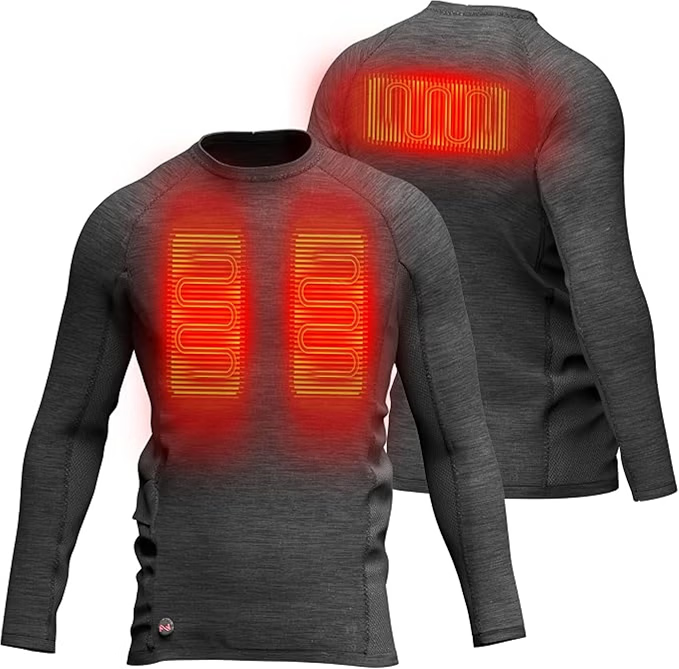
Late-season bowhunters know that sitting motionless in freezing temperatures presents an entirely different challenge from early-season hunting. You can have an expensive insulated jacket, quality bibs, and warm gloves, yet eventually the cold begins working its way through your clothing.
That is where heated base layers deserve attention. Rather than relying entirely on fabric insulation to retain body heat, Fieldsheer uses rechargeable heating technology to introduce supplemental warmth directly into the clothing system.
Fieldsheer’s heated base-layer collection is designed to fit close to the body beneath insulating layers. The company’s heated shirt designs use integrated heating panels powered by rechargeable batteries. Depending on the model, adjustable heat levels allow hunters to modify warmth as activity and outside temperature change.
This is particularly valuable for the type of hunter who walks into a stand before daylight, gets settled, and remains stationary for several hours. During the walk, you can keep the heating system off or at a lower setting. Once settled and your body begins cooling, supplemental heat can help maintain comfort.
Another important advantage is mobility. Rather than continually adding bulky insulation, a heated base layer can contribute warmth beneath a properly fitted jacket and bib system. For bowhunters, keeping the shoulders and arms relatively free of bulk is an important consideration.
Cold-Weather Tip: Start your walk into the stand with enough ventilation to avoid sweating. Once stationary, use supplemental heat as needed. Battery-powered clothing works best as part of a complete layering system, not as a replacement for insulation.
Battery performance is important. Higher heat settings generally reduce operating time, so hunters planning long all-day sits should confirm the included battery configuration, expected runtime, and whether a compatible spare battery is available.
The exact heating-zone layout, controls, fabric composition, and battery package should be checked on the linked product listing because Fieldsheer offers several heated base-layer configurations.
Reasons to Buy
- Supplemental battery-powered warmth
- Designed for next-to-body layering
- Useful during stationary late-season hunts
- Adjustable heat on compatible models
- Can help reduce dependence on bulky additional layers
Things to Consider
- Battery requires charging
- Runtime depends on heat setting and model
- More expensive than conventional synthetic layers
- Care instructions differ from standard apparel
- Must still be paired with adequate insulation
Buying Verdict: For late-season bowhunters and anyone who spends long periods sitting in freezing weather, the Fieldsheer heated base-layer system offers an appealing way to add adjustable warmth without substantially increasing clothing bulk.
Pair it with a properly insulated outerwear system. Our guide to cold-weather hunting gear covers additional equipment designed for the coldest days in the woods.
Check Fieldsheer Price on Amazon
Best Warm-Weather Base Layer for Sun Protection
ScentLok Sun Tech Hoodie

Early-season bowhunting creates its own set of problems. Temperatures can remain uncomfortably warm, sunlight can be intense, and insects often seem determined to make a hunt miserable.
The ScentLok Sun Tech Hoodie addresses those conditions with lightweight breathable fabric and UPF 50 sun protection. Its synthetic construction helps move moisture away from the skin, while the oversized hood, thumb loops, and extended back provide additional coverage.
I like the versatility of this shirt. It works for scouting, fishing, summer outdoor activities, and early-season bowhunting when a traditional insulated base layer would be excessive.
It is not designed to deliver substantial warmth, but that is exactly why it performs well in its intended environment.
Reasons to Buy
- UPF 50 sun protection
- Lightweight and breathable
- Generous hood coverage
- Useful for multiple outdoor activities
- Good for warm afternoons in the treestand
Things to Consider
- Minimal cold-weather insulation
- Not a substitute for insect repellent
- Designed more for coverage than warmth
Buying Verdict: The ScentLok Sun Tech Hoodie is a smart choice for hunters who spend substantial time outdoors before the weather turns cold and want breathable coverage without extra insulation.
Best Hunting Base Layer for Bowhunters
KUIU ULTRA Merino 145 Zip-T Hunting Shirt

Bowhunters need a base layer that allows unrestricted movement while managing temperature changes during a hunt. After wearing several styles and materials, the KUIU ULTRA Merino 145 Zip-T stands out as an excellent choice for hunters who place mobility and versatility near the top of their priorities.
KUIU uses Nuyarn technology, developed in New Zealand, to improve the performance of merino wool. The construction provides stretch, strength, and moisture management while maintaining the comfort expected from a premium wool garment.
The 17.5-micron merino feels comfortable against the skin, while eyelet-knit side panels improve airflow. One of my favorite features is the zip-neck design. When climbing a hill or walking to a stand, opening the zipper provides a quick way to release excess heat without removing clothing.
That flexibility becomes especially important during archery season, when conditions can change dramatically between the walk in and the final hour of daylight.
Reasons to Buy
- Lightweight 145-weight merino construction
- Nuyarn stretch and durability
- Zip neck for quick ventilation
- Breathable side panels
- Excellent mobility for bowhunters
Things to Consider
- Premium pricing
- Lightweight construction does not replace an insulating mid-layer
- Merino requires proper washing and care
Buying Verdict: The KUIU ULTRA Merino 145 Zip-T is an excellent choice for active bowhunters who want a lightweight merino base layer with easy temperature adjustment and unrestricted movement.
Editor’s Choice | Best Heated Hunting Socks
Rechargeable Heated Hunting Socks
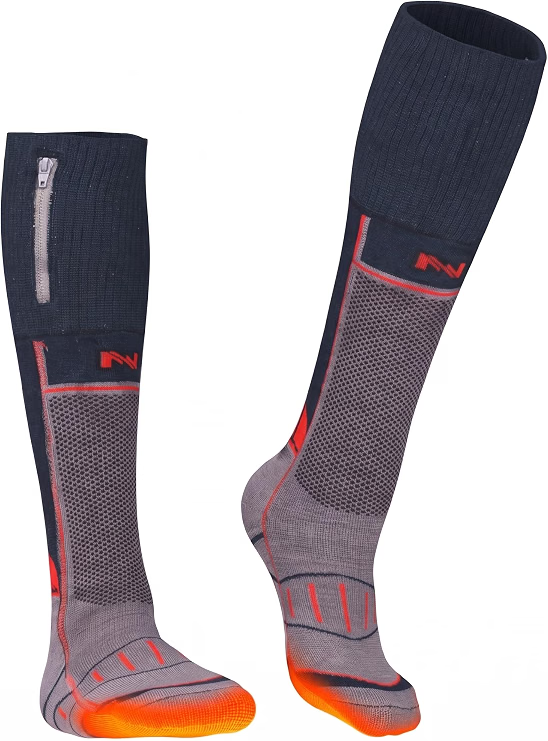
Ask experienced late-season deer hunters what causes them to leave the woods early, and cold feet will be near the top of the list. You can have a warm jacket, insulated bibs, and excellent gloves, but once your toes become painfully cold, staying focused becomes difficult.
The problem is especially common when sitting in a treestand. Walking generates body heat and helps keep blood circulating through the feet. Once you stop moving, your boots and socks must retain that warmth for hours. Even good insulated boots can struggle when temperatures fall well below freezing.
That is where rechargeable heated socks can become a valuable addition to a cold-weather hunting system. Rather than relying only on passive insulation, heated socks use a battery-powered heating system to provide supplemental warmth around the foot.
For hunters who spend long periods motionless, this can help address one of the most uncomfortable parts of a winter hunt. They are also useful for ice fishing, cold-weather photography, and other activities that involve extended time outdoors without much movement.
Why Heated Socks Make Sense for Hunters
The best application is not necessarily turning the heat to its highest setting as soon as you leave the truck. A better strategy is to walk into the hunting location with dry feet, settle into position, and use supplemental warmth when your feet begin to cool.
Battery life is an important consideration. High settings typically consume power faster than low settings, so hunters should evaluate expected runtime against the length of their normal hunt. Fit matters just as much. If the socks make your boots too tight, restricted circulation can actually make your feet colder.
Cold-Weather Tip: Heated socks work best inside boots that leave enough room for circulation. Pair them with dry feet, proper insulation, and a moisture-management system. More sock thickness does not always mean more warmth.
Before purchasing, confirm the specific heating-zone coverage, battery configuration, controls, sizing, and care instructions on the linked listing. These details can vary substantially among heated sock systems.
Reasons to Buy
- Supplemental warmth for cold feet
- Useful during long stationary hunts
- Can complement insulated hunting boots
- Versatile for hunting and ice fishing
- Rechargeable heating system
Things to Consider
- Battery capacity limits heating time
- Must fit properly inside hunting boots
- Requires charging and additional care
- Does not replace waterproof, insulated footwear
Buying Verdict: Heated socks deserve consideration for late-season hunters whose feet routinely get cold before the rest of their body. They can be an effective addition to an already well-insulated hunting footwear system.
How to Choose the Best Hunting Base Layers

Choosing the right hunting base layer is about more than finding a comfortable shirt. It means building a system that works with your environment, activity level, and hunting style.
The wrong base layer can leave you sweating on the walk in and freezing once you settle into your stand. The right one helps regulate moisture and temperature while remaining comfortable for extended periods.
Merino Wool vs. Synthetic Base Layers
Merino wool is one of the most popular materials for serious hunters. It provides natural odor resistance, excellent next-to-skin comfort, and useful temperature regulation across a wide range of conditions.
Synthetic materials such as polyester and spandex blends typically dry quickly, offer excellent stretch, and cost less than premium wool. They are particularly effective for high-output activities or warm-weather hunting.
For multi-day hunts and situations involving limited clothing changes, merino has a clear advantage in odor management. For warm-weather hunts, demanding physical activity, or budget-conscious buyers, synthetic materials remain excellent options.
Understanding Base Layer Weight
Not all base layers provide the same level of insulation. Fabric weight is one of the most useful indicators of how a garment will perform.
- Lightweight (roughly 120–150 gsm): Ideal for early season, high activity, and mild temperatures.
- Midweight (roughly 200–250 gsm): A versatile choice for cooler conditions and layered hunting systems.
- Heavyweight (roughly 250 gsm and above): Better suited to cold-weather hunting where additional insulation is needed.
These ranges are general guidelines, not universal temperature ratings. Fabric construction, fit, activity, and the rest of your clothing system all affect warmth.
Fit and Mobility for Bowhunters
A base layer should fit close enough to move moisture effectively without restricting movement. Look for stretch fabrics, smooth seams, and a design that moves naturally with your shoulders.
Bowhunters should pay special attention to the fit around the arms, shoulders, and upper back. Drawing a bow should not cause the garment to pull tightly or bunch beneath other clothing.
Thumb loops, longer hems, and athletic cuts can make a noticeable difference when layering beneath jackets and bibs.
Moisture Management Is Essential
One of the biggest mistakes hunters make is wearing too much insulation during physical activity. Walking into a stand with heavy clothing can produce perspiration that becomes uncomfortable once you stop moving.
Base layers should help move moisture away from the skin. The remaining clothing system must allow that moisture to escape rather than trapping it inside heavy outerwear.
On cold mornings, consider walking in with fewer insulating layers and adding warmth after reaching your hunting location.
When Heated Base Layers Make Sense
Electric heating systems can be valuable during long stationary hunts, especially when the temperature falls below freezing.
Unlike conventional base layers that primarily manage moisture and retain heat, heated garments add supplemental warmth using battery-powered heating elements.
Consider the battery runtime, charging requirements, number of heating levels, fit, and washing instructions. The best system should remain comfortable even when the heating function is turned off.
Heated clothing must still be paired with adequate insulation and weather protection. Always follow manufacturer safety instructions, and avoid wearing damaged batteries or heating components.
Keeping Feet Warm During Late-Season Hunts
Hunters often focus on upper-body base layers while overlooking the importance of their socks and boots.
Moisture management, proper boot fit, adequate insulation, and circulation are all essential for keeping feet comfortable in freezing temperatures.
Heated socks provide another option when conventional insulation is not enough. However, avoid stuffing thick socks into boots that are already snug. A tight fit can restrict circulation and make feet colder.
Start with dry socks, boots appropriate for the weather, and enough room for your toes. Add supplemental heat when needed rather than relying on it to compensate for poorly fitted footwear.
Scent Control and Odor Resistance
Merino wool naturally resists odor buildup, which can be useful during extended hunts and situations where washing clothing frequently is not practical.
Some synthetic materials use antimicrobial or odor-control treatments to reduce odor development. These treatments vary in effectiveness and durability.
No base layer makes a hunter scent-free. Wind direction, hygiene, and sensible hunting strategy remain important when pursuing game at close range.
Building a Complete Hunting Layering System
A successful clothing system typically includes three primary components:
- Base layer: Manages moisture and contributes next-to-skin comfort.
- Mid-layer: Provides insulation while allowing movement and moisture transfer.
- Outer layer: Protects against wind, precipitation, and environmental exposure.
The goal is to create a system that can be adjusted throughout the hunt. There is no advantage to being heavily insulated during a strenuous hike if that causes you to become soaked with sweat before reaching your stand.
Best Hunting Base Layers by Scenario
Frequently Asked Questions About Hunting Base Layers
What is the best overall hunting base layer?
The Kifaru SPIKE Merino Hoodie is our best overall selection because its lightweight merino construction balances comfort, mobility, odor resistance, and versatility. It is particularly useful for hunters who need one base layer for a variety of conditions.
Is merino wool better than synthetic material for hunting?
Merino wool excels in comfort, temperature regulation, and odor resistance. Synthetics typically dry quickly, cost less, and offer excellent durability and stretch. Both can perform well depending on the hunting conditions.
Are heated base layers worth buying for hunting?
For hunters who spend extended periods sitting in cold weather, heated base layers can be worth the investment. They add adjustable warmth beneath insulating clothing. Battery runtime, comfort, and compatibility with other layers should be considered before buying.
What is the best base layer for extreme cold weather?
A midweight or heavyweight moisture-managing base layer paired with adequate insulation is a strong starting point. For stationary hunters, a Fieldsheer heated base layer can provide additional warmth when conventional insulation is not sufficient.
Do heated socks really work for hunting?
Heated socks can provide useful supplemental warmth during cold-weather hunting, especially when sitting motionless for long periods. Performance depends on the sock design, heating elements, battery capacity, and boot fit. They work best alongside properly insulated footwear. See our heated sock selection.
How long do heated hunting socks last on a charge?
Battery life varies by model and heating level. Higher settings generally consume power more quickly. Check the manufacturer’s published runtime for the specific socks and consider a spare battery if you plan to hunt for an entire day.
Should hunting base layers be tight or loose?
Base layers should fit close enough to the skin to manage moisture effectively without restricting circulation or movement. A comfortable athletic fit is typically ideal. Bowhunters should make sure the fabric does not bind when drawing.
How many base layers should I wear when hunting?
Most hunters wear one base layer against the skin and add mid-layers and outerwear as needed. Some cold-weather systems use more than one insulating garment, but adding layers should not create excessive bulk or trap perspiration.
What weight base layer is best for late-season deer hunting?
Midweight fabrics around 200 to 250 gsm or heavier garments may be appropriate for cold-weather hunts. The ideal weight depends on your activity level, outerwear, and temperatures. A lightweight moisture-wicking layer beneath substantial insulation can also work well.
What should I wear under my hunting bibs?
Start with moisture-managing base-layer pants appropriate for the temperature. Add insulating layers if necessary, but avoid excessive bulk that limits movement. During severe cold, heated base-layer pants may offer additional comfort beneath insulated bibs.
Are expensive hunting base layers worth it?
Premium base layers often provide benefits in fabric quality, fit, moisture management, odor resistance, and durability. However, affordable synthetic options like the Huntworth Fallon can deliver excellent value, particularly for hunters who spend most of their time outdoors in warmer weather.
Final Buying Advice
The best hunting base layer is the one that matches your hunting conditions. For versatility, I would start with the Kifaru SPIKE Merino Hoodie. Hunters looking for a lower price should consider Huntworth, while active bowhunters will appreciate the performance of KUIU and Tuo. When winter arrives, Fieldsheer heated clothing and a good pair of heated socks can provide supplemental warmth for those long hours sitting in the cold. The most important thing is building a complete system that keeps you dry, comfortable, and focused on the hunt.
Per our affiliate disclosure, we may earn revenue from the products available on this page. To learn more about how we test gear, click here.