



Everyone has opened the freezer at some point and found a package of food that didn’t quite hold up. The color was off. The edges were dry. The smell told you everything you needed to know before the package even thawed. Somewhere between storing it and forgetting about it, air crept in and quality slipped away. This is usually the moment people start paying attention to their vacuum sealers.
Whether you’re stocking a freezer with meat just after using your meat grinder, preserving garden produce, buying food in bulk, or just trying to cut down on waste, a vacuum sealer is one of the most effective tools you can add to your kitchen. It extends shelf life, protects flavor, and brings order to a freezer that might otherwise turn into a jumble of unlabeled bags and forgotten leftovers.

Vacuum sealers have evolved significantly over the past decade. What used to be bulky, finicky machines are now streamlined, powerful, and more accessible than ever. From compact countertop units to heavy-duty models designed for serious food preservation, there’s a vacuum sealer to match nearly every lifestyle.
After digging into the most trusted brands and models on the market, one thing stands out clearly. While several companies offer dependable machines, Weston continues to set the standard for overall performance, durability, and long-term reliability. FoodSaver, Nesco, and MEAT! round out the field with solid options that cater to different needs, budgets, and usage levels.
Quick Recommendations
For your convenience, the list is as follows, click the link to shop the item or keep reading to see why it was chosen:
-
Heavy use and long-term durability: Weston Pro-3000 🛒
-
Batch processing and bulk storage: Weston Pro-2600🛒
-
Everyday kitchen use: FoodSaver Vacuum Sealing System🛒
-
Budget-friendly option: FoodSaver Everyday🛒
-
Mid-range versatility: Nesco VS-12 Deluxe🛒
-
Portion control and meal prep: Nesco with Digital Scale🛒
-
Simple, compact sealing: MEAT! 16-inch external model🛒
Best Overall Vacuum Sealer:
Weston Pro-3000 Stainless Steel Vacuum Sealer🛒

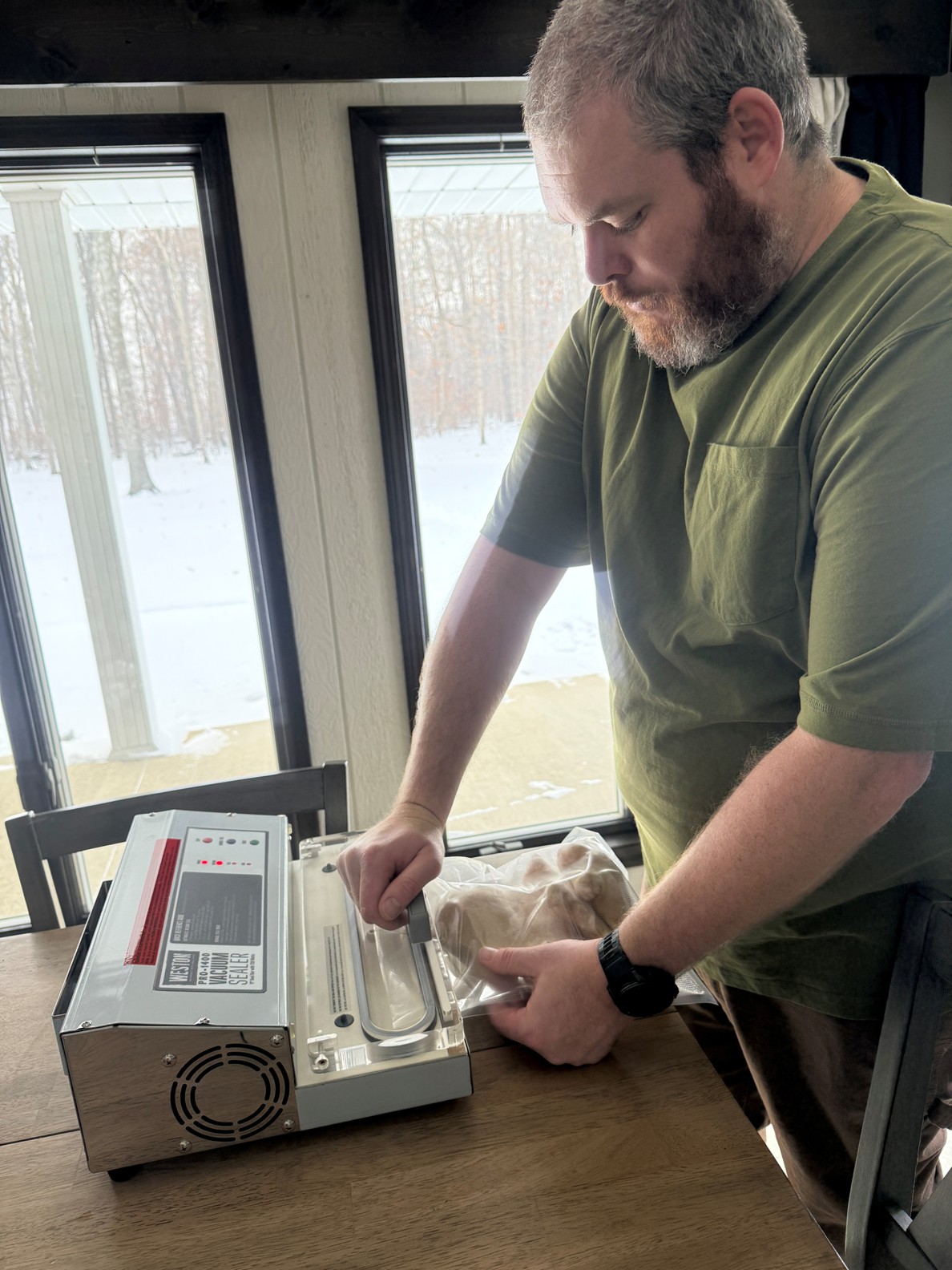
Weston has built a reputation around robust food-processing equipment, and the Pro-3000 exemplifies that approach. This machine feels less like a kitchen appliance and more like a long-term tool.
With a wide sealing bar that handles large bags and a powerful dual-piston vacuum pump, the Pro-3000 consistently delivers strong suction and dependable seals. It handles everything from bulk meats to vegetables and prepared meals without hesitation.
The stainless-steel construction adds durability and stability, making it well-suited for frequent use. Controls are straightforward, allowing users to adjust settings based on what they’re sealing. Whether you’re preserving food seasonally or sealing items year-round, the Pro-3000 keeps pace without slowing down.
For anyone who wants one vacuum sealer that can handle nearly anything and last for years, Weston earns the top spot.
Best Heavy-Duty Alternative:
Weston Pro-2300 Stainless Steel Vacuum Sealer🛒
The Pro-2300 shares much of the same DNA as the Pro-3000 but in a slightly more compact and accessible package. It delivers strong suction, wide sealing capability, and consistent performance without the added size of the flagship model.
This sealer is ideal for households that process food in batches, shop in bulk, or freeze large quantities at once. It’s powerful enough to handle demanding sealing sessions while remaining approachable for everyday use.
Best Countertop Classic:
The FoodSaver Vacuum Sealing System 🛒

FoodSaver has long been a familiar name in vacuum sealing, and its popularity comes from balancing performance with simplicity. These machines are designed to be approachable, versatile, and easy to use. The classic FoodSaver system offers dependable suction, intuitive controls, and compatibility with a wide range of bags and accessories. Built-in roll storage and cutters streamline the process, making it a practical option for daily kitchen use. While FoodSaver units don’t always match the raw power of heavy-duty machines, they deliver reliable performance for most household needs.
Best Budget Everyday Option:
FoodSaver Everyday Vacuum Sealer🛒

For those who want the benefits of vacuum sealing without a large investment, the FoodSaver Everyday model provides a compact and affordable solution. It’s well-suited for sealing leftovers, portioned meals, produce, and smaller freezer items. This model works best for lighter use, but it’s a solid entry point for anyone new to vacuum sealing.
Best Mid-Range FoodSaver Option:
FoodSaver FM5000 Vacuum Sealer🛒

The FM5000 bridges the gap between entry-level and more advanced machines. It offers stronger performance than basic models while maintaining FoodSaver’s familiar interface and accessory compatibility. This is a good fit for households that vacuum seal regularly but don’t need commercial-grade power.
Best Mid-Range All-Around Performers:
Nesco VS-12 Deluxe Vacuum Sealer 🛒

Nesco has quietly built a loyal following by producing dependable, no-nonsense kitchen equipment. The VS-12 Deluxe stands out as one of the most versatile machines in its price range.
It features adjustable settings for dry and moist foods, double sealing options, and pulse control for delicate items. Suction strength is solid, and the machine handles a wide variety of foods without issue. For everyday sealing with flexibility and reliability, the VS-12 offers excellent value.
Nesco Deluxe Vacuum Sealer VS-15S🛒
The VS-15S is a more compact and budget-friendly Nesco option that still delivers dependable sealing performance. It’s a good choice for smaller kitchens or lighter workloads while maintaining the brand’s reputation for reliability.
Nesco Vacuum Sealer with Digital Scale🛒
This model adds a built-in digital scale, making it especially useful for portioning meals or tracking food storage. It’s a practical feature for those who like precision when freezing or meal prepping.
Best Simple and Compact Option:
MEAT! 16-Inch External Vacuum Sealer🛒
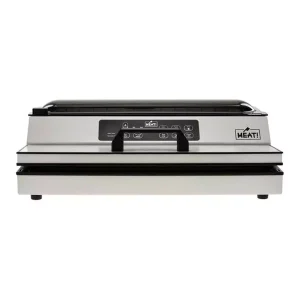
The MEAT! 16-inch external vacuum sealer focuses on simplicity. It clamps and seals bags externally, eliminating unnecessary complexity while still providing effective vacuum sealing. This style of sealer works well for general freezer storage, pantry items, and bulk food preservation. It’s a practical choice for users who want reliable performance without a large footprint or advanced features.
Why Vacuum Sealers Matter for Everyday Use
Modern households store food differently than they used to. Freezers are packed with bulk purchases, meal-prepped dinners, garden harvests, and leftovers meant to stretch grocery budgets and save time. Unfortunately, most standard storage methods fall short when it comes to long-term quality.
Freezer burn occurs when oxygen reaches food during storage. Moisture evaporates, texture changes, and flavor fades. Vacuum sealing removes that oxygen from the equation, locking in freshness and preventing waste. No more waiting 6 months for that perfect steak only to have it freezer-burned.
Properly vacuum-sealed food can last several times longer in the freezer than food stored in zip-top bags, plastic containers, or even butcher paper. It also keeps food tasting the way it should, even months later. That matters whether you’re freezing steaks, vegetables, soups, or baked goods. One of my favorite things to vacuum seal is sweet corn from my garden. I cut and cook it using an old family recipe then I package and vacuum seal it, vacuum sealing keeps it fresh and it taste great every time I open a bag.
Vacuum sealers also bring organization to food storage. That means less clutter in the kitchen pantry. Portioning meals becomes easier with vacuum sealers, you put in the perfect amounts for your needs. Packages stack neatly, no more bulk. Labeling reduces confusion. Instead of mystery bags buried at the bottom of the freezer, everything has a place and a purpose.
Beyond freezing, vacuum sealers are useful for pantry storage, marinating foods, preserving cheese, protecting dehydrated items, and preparing meals for sous vide cooking. For anyone serious about food preservation, a food dehydrator quickly becomes a staple tool.
Vacuum Sealer Buyer’s Guide: What to Look for Before You Buy
Choosing the right vacuum sealer comes down to how often you’ll use it and what you’ll be sealing most. Not all machines are built for the same workload, and understanding a few key features will help you pick a model that fits your needs and lasts for years.
External vs. Chamber Vacuum Sealers
Most home users choose external vacuum sealers, which remove air from the bag and then heat-seal it closed. These are affordable, versatile, and well-suited for home kitchens, hunters, and gardeners. Chamber vacuum sealers place the entire bag inside a sealed chamber and are typically used in commercial settings. While chamber machines excel at sealing liquids and soft foods, they are significantly more expensive and take up much more space. For nearly all home users, a high-quality external vacuum sealer offers the best balance of performance and value.
Suction Power and Vacuum Strength
Stronger suction means more air is removed from the bag, which leads to better long-term storage. Heavy-duty models use more powerful pumps that create tighter seals and reduce the chance of air creeping back in over time. If you plan to seal large quantities of meat or run long sealing sessions, suction strength becomes one of the most important features.
Seal Bar Width and Bag Size
Wider seal bars allow you to seal larger bags and oversized cuts of meat without trimming them down. This is especially important for hunters, anglers, and anyone processing bulk meat. A wider sealing area also allows for double sealing, which adds an extra layer of protection for long-term freezer storage.
Moist and Dry Food Settings
Different foods require different sealing approaches. Moist foods like fresh meat, fish, and cooked meals benefit from sealers with adjustable moisture settings or manual pulse control. These features help prevent liquid from interfering with the seal and ensure consistent results.
Duty Cycle and Durability
Some vacuum sealers are designed for occasional use, while others are built to handle repeated sealing without overheating. If you plan to process large batches, shop in bulk, or seal multiple animals at once, look for a machine rated for continuous or heavy-duty use. Stainless steel construction and commercial-style components typically indicate better long-term durability.
Bag Compatibility and Ongoing Cost
Vacuum sealer bags are a long-term expense. Machines that accept universal rolls and bags give you more flexibility and usually lower operating costs over time. Buying bulk bag rolls and cutting them to size is one of the easiest ways to save money if you vacuum seal often.
Tips & FAQ’s for Better Vacuum Sealing
Trimming excess moisture before sealing improves results. Leaving enough bag length ensures strong seals. Using quality freezer-rated bags helps prevent leaks. Labeling packages with contents and dates saves time later. For soft or liquid-heavy foods, partially freezing before sealing can make the process cleaner and more effective. Lastly, if you’re going to vacuum-seal large amounts of stuff or do so frequently, invest in bulk bag rolls and cut them to your length. This will save you a lot of money in the long run.
What are the best vacuum sealers for freezing wild game?
The best vacuum sealers for wild game are heavy-duty models with strong suction and wide sealing bars. Machines like the Weston Pro series are ideal for sealing large cuts of venison, elk, and other wild game while preventing freezer burn during long-term storage.
How long does vacuum-sealed meat last in the freezer?
Properly vacuum-sealed meat can last 2 to 5 times longer than meat stored in freezer bags or butcher paper. Many vacuum-sealed cuts can maintain quality for 2 to 3 years in a deep freezer when sealed correctly.
Are vacuum sealers worth it for home food storage?
Yes. Vacuum sealers reduce food waste, extend shelf life, and help save money by allowing you to buy in bulk, preserve garden harvests, and store leftovers safely. For hunters, gardeners, and bulk buyers, a vacuum sealer quickly pays for itself.
What is the difference between external and chamber vacuum sealers?
External vacuum sealers remove air from the bag and then seal it, making them more affordable and common for home use. Chamber vacuum sealers place the entire bag in a chamber and are typically used in commercial settings. Most home users will be well served by a quality external vacuum sealer.
Can you vacuum seal liquids like soup or chili?
Yes, but it’s best to partially freeze liquids before sealing. Pre-freezing soups, stews, or sauces helps prevent liquid from being pulled into the vacuum pump and ensures a stronger, cleaner seal.
Do vacuum sealers work for sous vide cooking?
Vacuum sealers are perfect for sous vide cooking. They create airtight seals that allow food to cook evenly in a water bath while locking in moisture and flavor. This is one of the most popular uses for vacuum sealing in modern kitchens.
What bags should I use with a vacuum sealer?
Freezer-grade vacuum sealer bags designed for your machine work best. Many sealers support universal rolls and bags, which are more cost-effective than proprietary systems and ideal for high-volume sealing.
How do I prevent freezer burn with a vacuum sealer?
Freezer burn is caused by oxygen exposure. A vacuum sealer removes that oxygen, creating an airtight environment that prevents moisture loss and oxidation, which are the main causes of freezer burn.
Are more expensive vacuum sealers better?
Higher-end vacuum sealers typically offer stronger suction, wider sealing bars, better heat seals, and improved durability. If you seal food frequently or process bulk meat or wild game, investing in a heavy-duty model often provides better long-term value.
How often should I replace vacuum sealer bags?
Bags are single-use for food safety and seal integrity. Always use a fresh bag for each sealing session to ensure proper vacuum strength and to prevent leaks or contamination.
Can vacuum sealers be used for pantry storage?
Yes. Vacuum sealers work well for dry goods like rice, flour, coffee, jerky, dehydrated foods, and snacks. Removing air helps extend shelf life and protects against moisture and pests.
Most home users are well served by countertop external vacuum sealers. If you frequently seal large bags, bulk meat, or oversized cuts, look for models with wider sealing bars and higher vacuum pressure.
Final Thoughts
A vacuum sealer is one of the most practical investments anyone can make for their kitchen. It reduces waste, saves money, and preserves food quality in a way traditional storage methods can’t match. Whether you’re freezing bulk groceries, preserving garden harvests, prepping meals, packaging up your latest harvest, or simply trying to keep your freezer organized, the right vacuum sealer makes the process easier and more reliable.
From heavy-duty Weston machines built to last, to everyday FoodSaver and Nesco models that handle routine tasks with ease, there’s a vacuum sealer that fits nearly every household. At the end of the day, vacuum sealing isn’t about gadgets. It’s about protecting food, saving time, and making sure what you store today still tastes good months from now.
Per our affiliate disclosure, we may earn revenue from the products available on this page. To learn more about how we test gear, click here.