



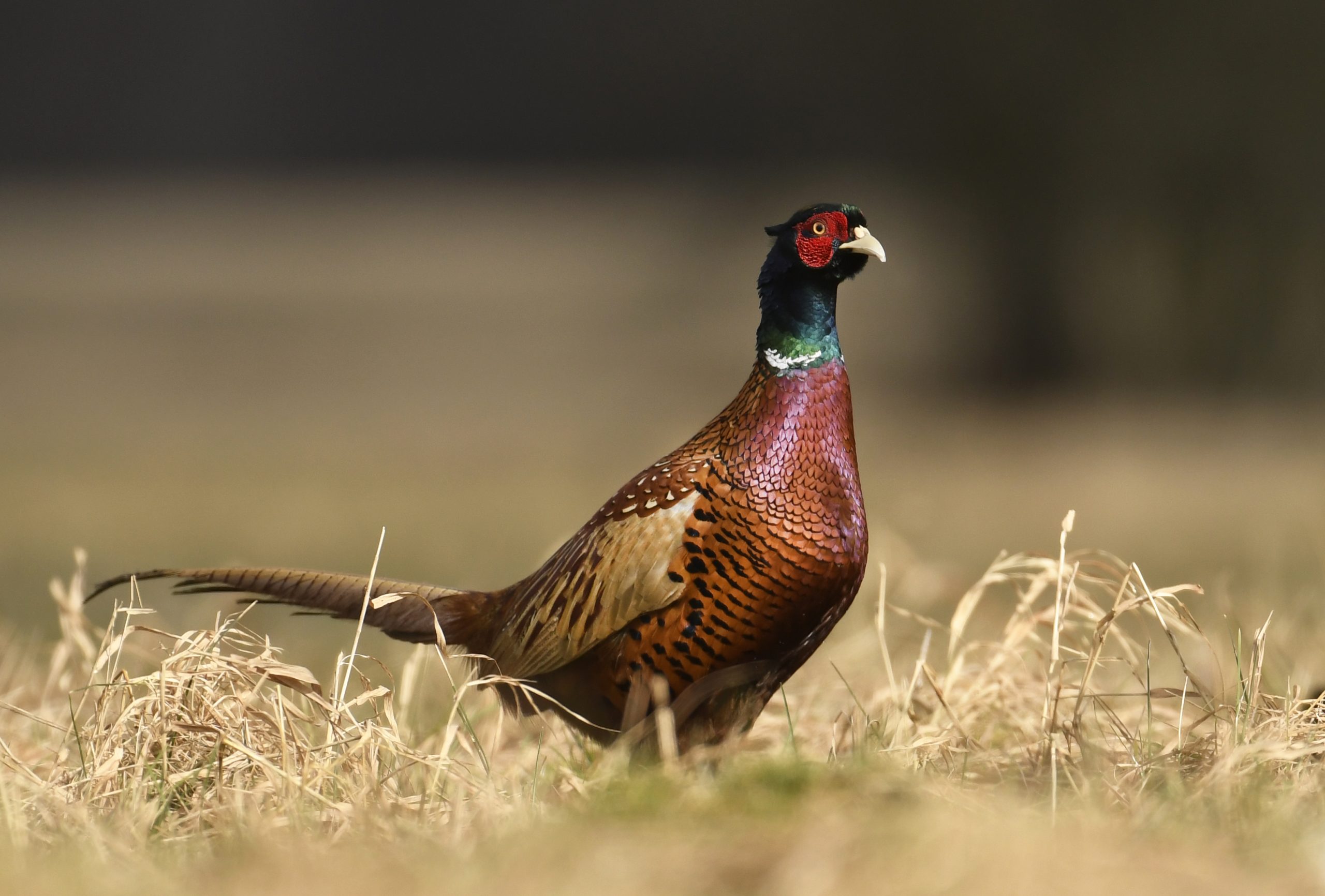
Pheasant hunting is more than just a fall pastime—it’s a pursuit that rewards skill, patience, and time spent learning the land and the bird. After decades of walking fields, following dogs, and flushing roosters from brushy cover, I’ve picked up a treasure trove of pheasant hunting tips that have helped turn empty-handed days into successful ones. Whether you’re just getting started or you’ve been at it for years but want to sharpen your edge, this guide covers the most practical and effective strategies I’ve learned from family, friends, other hunters, outfitters, and a lifetime outdoors. If you’re serious about improving your pheasant hunting success, read on.
1. Focus on Ditches, Wetlands, and Creek Bottoms
The first step to a successful pheasant hunt is locating promising terrain. Roosters prefer habitats with dense, head-high vegetation interspersed with open feeding areas. You should scout areas with native grasses mixed with croplands of unharvested corn, milo, wheat or alfalfa. I’ve found ditches, wetlands, creek bottoms and CRP lands hold the most birds on public hunting areas. Also, look for signs like tracks, feathers, and droppings to pinpoint the prime spots. Talking to biologists and rangers can help narrow your search as well. Once you identify promising pheasant territory, hunt these honey holes vigorously at prime times.
2. Be As Quiet As Possible
While flushing pheasants is the exciting climax of the hunt, you first have to carefully sneak up on these extremely wary birds. Pheasants have incredible eyesight and hearing, so if they catch any glimpse or sound of your approach, they’ll hightail it in the other direction long before you get within shooting range. I’ve found the best tactic is to move slowly and steadily upwind while talking minimally and avoiding loud noises. Hand signals are great for communicating with your hunting party and wearing muted, brush-matching clothing helps you blend into the surroundings as well. Your odds go way up if you can get within 30 yards before the birds detect you and take flight.
3. Hunt a Crosswind
One key factor I always consider that directly impacts success is wind direction. Ideally, the wind should be crossing perpendicularly in front of my line of hunters rather than blowing directly at us or behind us. Pheasants instinctively hold tight when facing straight into the wind, while a tricky cross breeze carries our scent away from their location, bringing us closer before detection. This crosswind also gives my bird dog a better opportunity to catch their scent and track them down. Once she locks onto that pheasant scent cone drifting across our path, I know roosters will soon be bursting from cover.
4. Have Patience
While some days we’ll stumble onto large flushes early on, usually, pheasant hunting involves patience and persistence. Oftentimes, I may hike a mile or more before kicking up my first bird, but continuing the hunt almost always pays off with numerous opportunities in due time. Stay focused, resist frustration, avoid taking risky shots and remain dedicated to the pursuit rather than instant gratification. Settling into the rhythm of the hunt and letting the action come organically makes for a much more rewarding experience. Stopping frequently to listen and scan ahead helps detect birds before they know you’re there.
5. Hunt The Last Hour of Daylight
Through logging ample time afield, I’ve discovered dawn and dusk tend to be best for pheasant hunting. Roosters hunker down in thick cover early morning before venturing into more open feeding areas later in the day. In fact, some of my most memorable hunts have coincided with the last hour of daylight. The birds seem to get an urge to eat just before nightfall, leaving cover to forage seeds and grains in harvested fields at prime time to intercept them. Since pheasants prefer to roost communally, busting up one flock late often leads to finding more close by. With the setting sun at your back, be ready for fast shooting and epic hunts.
6. Consider Hunting in Groups
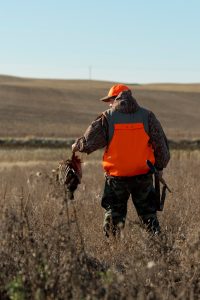
A common rookie mistake I see is not having adequate manpower. Hunting pheasant requires a coordinated team effort for the highest efficiency and success. Depending on terrain and conditions, I’ve found that a group of five to seven hunters walking abreast about 15 yards apart usually works best. This creates a human dragnet spanning around 100 yards to block off escape routes and channel birds toward the center shooting lane. With me often being one of the end “blockers”, my role is turning the pheasants back inward rather than shooting myself unless absolutely necessary. More birds tend to hold and flush wild with larger groups compared to solo hunting.
7. Look For the Cattails
If there’s one surefire place I check when I’m struggling to get into birds, it’s ducking into pockets of cattails and other marshy vegetation. Pheasants absolutely love using these areas to escape pressure, hide from predators and thermal regulate on cold nights. The problem is sometimes they hold so tight in these aquatic sanctuaries that they won’t flush unless nearly stepped on. When the field hunting gets tough, split off from the group and swing your boots through some cattails. Kick one up from here, and more will soon follow, but watch your footing in the muck!
8. Shoot Within 20 Feet
It’s enticing to start blasting away when the first feathered rockets launch over the canopy at 60 mph. However, patience and precision pay off in pheasant hunting much more than empty skies and firing blindly. I’ve trained myself to wait until the birds cross inside my personal 30 yard shot comfort zone before pulling the trigger, and this might be one of my most helpful pheasant hunting tips. And even then, refract from shooting at longer distances and passing shots to avoid crippling birds. Waiting those agonizing extra seconds for the pheasants to close within 20 feet makes connecting with quality shot patterns much more probable. Only take ethical shots, and your accuracy will improve dramatically.
9. Know Your Surroundings
One aspect that separates novice pheasant hunters from savvy veterans is situational awareness. It’s critical to be observant of micro-terrain features, landscape contours, varying vegetation, and other environmental cues that reveal where birds might be hiding. Reading the landscape and understanding these habitat nuances takes time afield but will drastically boost success once incorporated. For example, I key in on transition zones between habitat types, contour bands along ridges, brushy fencerows, undisturbed cover, and concave basins, which all hold and funnel wild pheasants exceptionally well during the hunt.
10. Always Shoot in Front of the Bird
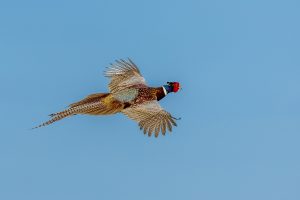
Lastly, when a rooster does finally thunder from the brush committed to flight, most hunters struggle with leading the bird properly. The urge is to swing directly at the pheasant, often leading to shots fired behind and pellets striking nothing but air. I’ve trained myself through hours of wingshooting to uniformly stay at least 18 inches to several feet in front of the bird’s beak as I pull the trigger. The key is establishing your lead, then locking your aim as you smoothly swing and fire. Don’t continuously chase the pheasant but allow proper lead so the bird and shot pattern intersect just like skeet shooting. Employing this technique will have you dropping more roosters in the bag.
Pheasant Hunting Tips: FAQs
What is the best shotgun gauge for pheasant hunting?
For most hunters I recommend a 12 or 20 gauge shotgun for pheasant hunting. I prefer a modified or improved cylinder choke paired with either #4, 5 or 6 lead or bismuth shot. This gives enough knockdown power on these large birds without destroying too much meat.
What pheasant hunting gear works best?
Hunting-specific camo or brushed pants and tops in earth-tone greens, tans and browns blend most effectively into field surroundings. Brush pants help immensely protecting your legs from briars and brambles while stalking through thick cover. Layer wool and synthetic materials to wick moisture and insulate without weighing you down. Wear good boots to protect and comfort your feet.
Do I need a hunting dog for pheasants?
While having a skilled bird dog certainly improves success, hunters without one can still find and take birds either solo or in groups by methodically working promising terrain. A mix of patient spot-and-stalk hunting with strategic blocking once pheasants are spotted, a flush naturally can be effective.
For new hunters, a managed hunting preserve can be a great place to gain experience in the field. Facilities such as Vernon National offer guided pheasant hunting in New York, allowing beginners to hunt alongside experienced guides and trained bird dogs.
What time of day is best to hunt pheasants?
As mentioned previously, I’ve had my best luck hunting the early morning shortly after daybreak when pheasants leave overnight roost sites seeking morning feed. However around mid-morning they tend to hunker down until late afternoon when prime evening feeding hours occur just prior to returning to roost around sunset. These seem to be peak movement times.
Final Thoughts
There you have it – 10 must-know pheasant hunting tips and strategies to help you bag more roosters this season based on my years of experience. As with all forms of hunting, persistence through tough times, ethics, and enjoyment of nature give as much reward as full game bags. Remember to prep your gear, stay alert to bird signs, shoot straight, and have fun pursuing one of North America’s most iconic game birds. Now get out there, bring home some tasty chicken of the prairie, and until next time, happy hunting, my friend!
Per our affiliate disclosure, we may earn revenue from the products available on this page. To learn more about how we test gear, click here.