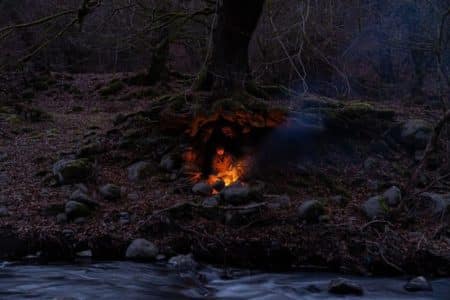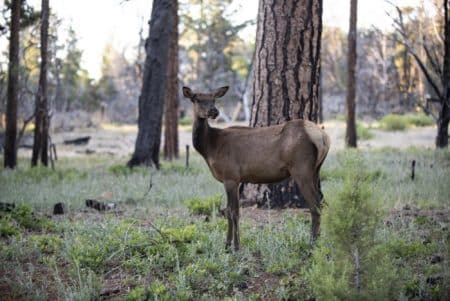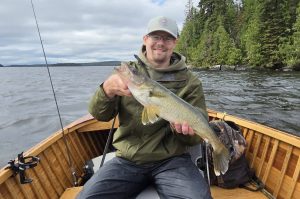
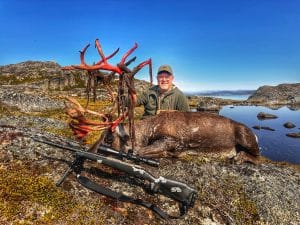




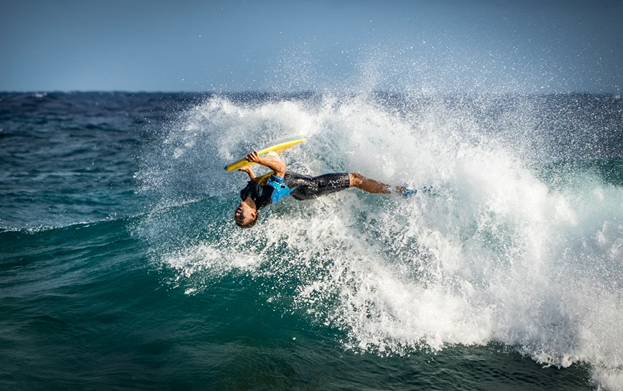
The tradition of the outdoors has been passed down through generations of the family for quite a while. Early risings in deer stands. Entire afternoons spent on the lake. Sharing stories around a campfire beneath a sky filled with stars.
But there is actually something new and quite interesting happening today.
A generation that was glued to their screens watching freestyle motocross, BMX competitions, and ATV riders tearing up the rugged terrain is now beginning to relate to hunting, fishing, and backcountry hiking. What seems like two totally separate worlds at first glance is actually very much aligned.
Action sports are not the enemy of traditional outdoor life. They are an avenue through which young people are finding out about it.
From Backflips to Backcountry: The Gateway Effect
Just spend a few minutes at a freestyle motocross event or go through BMX highlights videos, and you will see all kinds of extreme qualities, such as intensity, precision, and even the bravery of the athletes. What you probably won’t notice right away is the nature of the environment that these people are performing in: dirt tracks, open land, mountains, and desert terrain.
These sports have a strong connection with nature.
Most of the time, these kids’ exposure to nature starts with this. Before they even sit in a blind or string a bow, they will have learned:
- Themout the land
- To use natural elements such as wind and weather
- To take calculated risks
- Ready their own equipment
- Physically and mentally challenge themselves
And this base goes seamlessly into a more conventional outdoor lifestyle.
Some major brands, like Nitro Circus, have hosted events and productions that have tremendously helped bring action sports to the limelight. What makes action sports really resonate with outdoorsmen is more than the spectacular tricks. It is the whole culture that surrounds them.
I think it is quite normal that the mindsets of people who seek adrenaline and nature lovers have a lot in common. Those riders push themselves outside. They test their limits in conditions that they cannot predict. They depend on good preparation and the ability to make the right decisions.
If you have ever gone elk hunting in steep mountain terrain or tried fishing in rough water just before a storm, you will know what this feeling is about.
The excitement might differ. However, the land remains the same.
The Adrenaline Connection
Action sports and traditional outdoor activities are, at the core, two kinds of activities that use adrenaline for a great purpose.
Young riders who are willing to risk their lives
- Superconsciousness
- Risking a person’s life
- Being totally in the moment
- Feeling great after the action
Hunters and anglers get a like feeling from:
- When a deer comes into shooting range
- When a turkey answers a call
- When a muskie strikes boatside
- When a bull elk bugles from across a canyon
Adrenaline or the rush is not without reason. It is control inside challenge.
One of the reasons why young athletes who get their adrenaline from extreme sports sometimes become hunters and fishers later in life is that they share this psychological experience. They have a brain that is naturally ready to:
- Challenge based on skill
- Dependence on oneself
- Real world environments
- Concrete results
The outdoors is the perfect place to fulfill all these needs.
Gear Culture: A Totally Natural Bridge
Gear is another excellent area point that shows significant engagement from both sides.
Action sports athletes definitely have a habit of fixating on their gear. Just the small details, such as suspension adjustments, tire pressures, helmet fit, and grip texture, are meticulously checked, and nothing is taken for granted.
This same exact thinking applies perfectly in:
- Fine tuning your bow
- Figuring out the right rifle scopes
- Choosing the perfect fishing rod
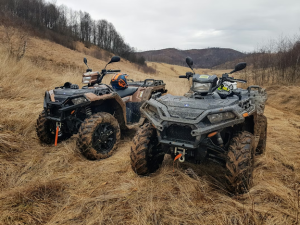
- Getting the best ATV ready for total backcountry access
- Using the most appropriate layering systems for cold weather hunting
Today’s younger outdoorsmen, who have been brought up in the world of action sports, basically know that prepping is not a choice. It is a necessity and part of overall performance.
Rather than perceiving hunting gear as alien, they are treating it as yet another outfit to master.
Driven by their curiosity for gear, many young riders are indeed gradually going deeper into the outdoor lifestyle at large.
ATVs and Wild Places Access
The topic of ATV riding should be downplayed during discussion.
For many rural and suburban teenagers, going for a run is when they feel they finally have real freedom. It guides them through:
- Navigation
- Land awareness
- Responsibility
- Mechanical skills
- Respect for property boundaries
Then, riding the trails may turn out to be more than just a pastime. It might be a method of discovery.
Such a discovery prompts questions.
- Which animals are living here?
- What kind of fish are there in that river ?
- What season will open next month?
Curiosity being initiated, surprisingly, mentorship and opportunity are the most influential.
The Social Element: Brotherhood Still Matters
Outdoor culture has always been inherently social. Camps, lodges, tailgates, and dockside gatherings are all part of the community that is so appealing.
Action sports are really no different.
- Riders push each other
- Crews travel together
- Progress is shared
- Failures are laughed at and tried again
This setting is much like hunting camp culture, without people even realizing it. A certain kind of loyalty is born of the bond formed by sharing both risk and challenge.
Once young riders find out that hunting trips can offer:
- Early mornings with friends
- Shared responsibility
- Campfire meals
- Stories that get better as time goes on
They will have no problem making the transition.
They can even look at it as a continuation of what they have been doing.
Per our affiliate disclosure, we may earn revenue from the products available on this page. To learn more about how we test gear, click here.