



2026 Gear Guide
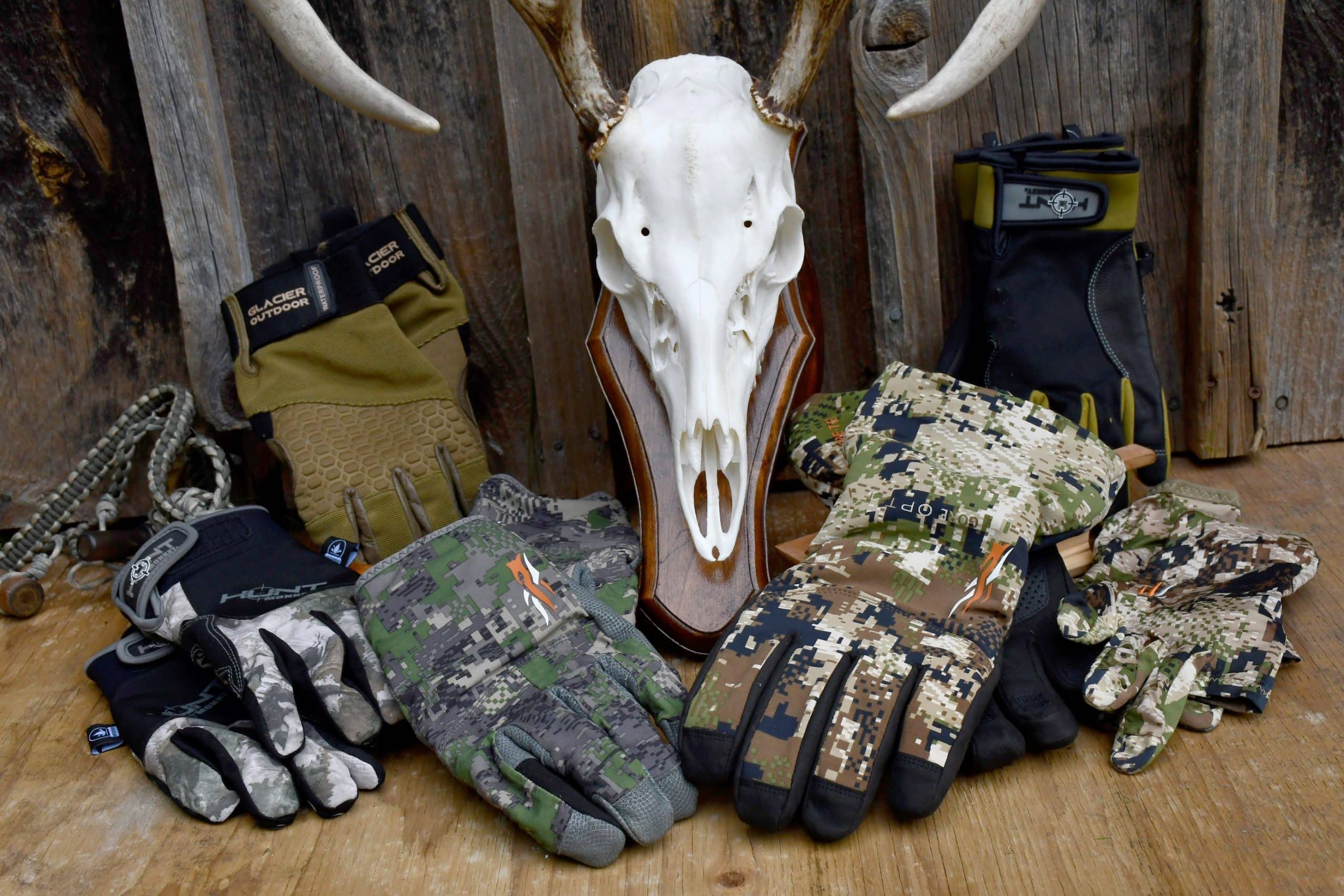
From warm early-season turkey hunts to icy late-season waterfowl blinds, these 11 hunting gloves cover the situations hunters are most likely to face without sacrificing more dexterity than necessary.
Hunters ask a lot from a pair of gloves. They need to block wind and water, hold enough warmth for the conditions, grip a shotgun or bow securely and still let the shooter feel a trigger, safety, release or call. That last part matters. A glove can be incredibly warm and still be a poor hunting glove if the fingers are so bulky that they interfere with the shot.
The right answer is not one giant glove for every season. Lightweight gloves make more sense for turkey hunting and early bow season. Waterproof midweight gloves shine in wet fall weather. Heavier insulated gloves are worth the extra bulk when the temperature drops and the hunt becomes a test of endurance.
Jump to a Section
Comparison Table
Which Glove Should You Buy?
How We Chose
Full Reviews
Buyer’s Guide
Before You Hunt
Glove Care
FAQs
Our Picks at a Glance
Glacier Outdoor Alaska Pro
Warm, waterproof and dexterous enough for most firearm hunting.
Northern Flight HDry Waterproof Shooting Gloves
Heavy insulation and full waterproof protection for bitter conditions.
SITKA Blizzard GTX
Premium late-season warmth and true waterproof protection for wet blinds.
Hunt Monkey Stealth Hunt Dry-Tec
Waterproof early-season protection with a slim shooting-focused fit.
SITKA Jetstream WS
Wind protection, grip and dexterity without the bulk of a winter glove.
SITKA Equinox Guard
Lightweight concealment plus bite-reduction fabric and insect-repellent treatment.
TIDEWE Insulated Heated Gloves
Battery heat, weather protection and touchscreen access for long cold sits.
RedHead Camoskinz Liner Gloves
A low-cost lightweight glove that also works beneath a heavier outer glove.
KUIU Guide X
Durable leather grip, wind resistance and fleece-backed warmth for cool-to-cold deer seasons.
Glacier Outdoor Elite Tactical
A form-fitting, quick-drying range glove with excellent trigger control.
Hunt Monkey Upland Fieldmaster
Leather, canvas and a slim trigger finger built for briars, burrs and shooting.
Hunting Glove Comparison Table
Prices below are approximate and can change by retailer, color, size and sale. The more important comparison is the job each glove is designed to do.
Which Hunting Glove Should You Buy?
The best balance of warmth, waterproof protection and shooting dexterity in this group.
More insulation than the all-around choices without moving all the way to battery-powered heat.
Built for wet, windy, late-season conditions where waterproof warmth matters more than slim trigger feel.
Better finger control than a heavy winter glove while still cutting wind and adding useful warmth.
Lightweight concealment plus insect-focused fabric and treatment make it especially useful during spring turkey season.
Battery heat makes the most sense during long stationary hunts where circulation and movement are limited.
A lightweight, inexpensive glove that works well alone in mild weather or underneath a heavier outer glove.
Canvas and leather are better suited to rough upland cover than soft fleece that can collect burrs.
How We Chose the Best Hunting Gloves
This guide is based on hands-on hunting and outdoor use rather than a laboratory test where every glove was subjected to identical conditions. The most useful comparisons came from actually wearing the gloves while shooting, hunting waterfowl, walking in extreme cold, handling gear and judging whether insulation interfered with trigger control.
Dexterity
Can I work a safety, load shells, operate a release, run a call and get a clean trigger pull without fighting the glove?
Warmth
Warmth matters, but insulation has to match the hunt. Active upland hunters need less than a stationary December treestand hunter.
Weather Protection
Waterproof membranes, water-resistant leather, DWR treatments and wind-blocking layers all solve different versions of the same problem.
Grip and Fit
Leather, synthetic grip materials, silicone and articulated fingers matter when hands are wet or when precise gun and bow control is required.
The Best Hunting Gloves of 2026
Best Overall Hunting Glove
Glacier Outdoor Alaska Pro
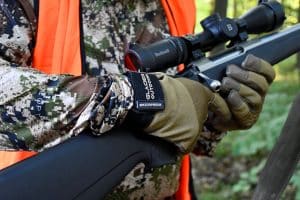
The Alaska Pro has become my go-to glove when temperatures are cool or when a warmer fall day turns wet. The goatskin leather palm gives it a more precise feel than a bulky insulated glove, while the waterproof, breathable construction and Thinsulate lining give it enough protection to handle weather that would overwhelm a basic shooting glove.
What separates it from the heavier choices is control. I can manipulate the controls on a shotgun or rifle, reach a tang safety and run a duck or turkey call without feeling like I am wearing a mitten. The leather wraps around the fingertips, which helps keep the fingers from feeling overly thick.
This still is not a glove for every possible condition. I would rather have a dedicated decoy glove if I were constantly handling soaked waterfowl gear, and I would move to a much heavier option for truly brutal stationary cold. But for the majority of cool, wet hunting days, the Alaska Pro is the most useful all-around choice here.
Reasons to Buy
- Excellent warmth-to-bulk balance
- Good shooting dexterity
- Waterproof protection
- Durable leather palm
- Much less expensive than premium late-season gloves
Reasons to Consider
- Not the warmest choice for deep-winter stationary hunts
- Not my first pick for constantly handling wet decoys
- Fit may feel snug before break-in
Best Hunting Glove for Cold Weather
Northern Flight HDry Waterproof Shooting Gloves with 4MOST REPEL
I tested the Northern Flight and SITKA Blizzard gloves against each other by wearing one on each hand while walking the dog in extreme cold. Both were excellent. My fingers stayed just a little warmer in the Northern Flight, which is enough to give it this category.
The insulation is substantial: 200-gram PrimaLoft across the back of the hand and 80-gram in the palm. The HDry membrane handles waterproofing, while the 4MOST REPEL treatment helps water bead off the exterior before the shell becomes saturated. Cinches at the wrist and cuff help close off openings where wind and snow can work their way in.
The tradeoff is predictable. This is a genuinely warm glove, and that means more bulk around the trigger finger. It makes sense for a cold treestand, blind or late waterfowl hunt, but I would not choose it for bowhunting or a fast upland hunt where instant trigger access matters more than maximum insulation.
Reasons to Buy
- One of the warmest gloves in the roundup
- Waterproof and breathable
- 4MOST REPEL sheds exterior moisture
- Wrist and cuff cinches help seal out weather
Reasons to Consider
- Bulky around the trigger hand
- Not ideal for fast shooting or bowhunting
- No touchscreen feature listed
Best Waterfowl Hunting Glove
SITKA Blizzard GTX
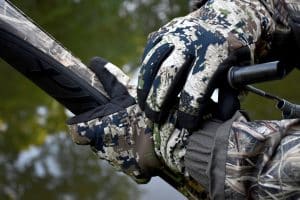
The Blizzard GTX combines a waterproof, breathable GORE-TEX liner with PrimaLoft Gold insulation and a stretch-woven shell. Synthetic leather across the palm and fingers adds grip, while an adjustable wrist cinch helps keep the glove secure.
It is one of the warmest gloves I tested and an excellent fit for late-season waterfowl hunting, cold treestand sits and other situations where you may be stationary for long periods. The glove is also built to keep working when snow and water are part of the day instead of a brief inconvenience.
The compromise comes at the shot. I would not choose the Blizzard GTX for an exacting long-range trigger pull without first confirming how it works with that specific firearm. When maximum precision is required, removing the glove briefly may still be the better choice.
For a full list, see our other article on the best waterfowl gloves.
Reasons to Buy
- Excellent warmth
- 100% waterproof, breathable GORE-TEX protection
- Good palm and finger grip
- Wide size range
Reasons to Consider
- Expensive
- Bulky compared with shooting-focused gloves
- Not ideal when maximum trigger feel is required
Best Waterproof Hunting Glove
Hunt Monkey Stealth Hunt Dry-Tec Waterproof Glove
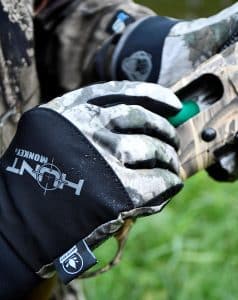
Not every waterproof hunt happens at 20 degrees. Cool rain, wet brush, dew-covered grass and early waterfowl seasons can soak a lightweight glove even when heavy insulation would be uncomfortable. That is exactly where the Stealth Hunt Dry-Tec makes sense.
The glove uses Dry-Tec construction with a HIPORA waterproof membrane, a DWR-treated shell and 40-gram Thinsulate insulation. The index finger and thumb are cut slimmer for shooting control, and the Monkey Grip synthetic leather palm helps when a gun or other gear is wet.
One of the most useful features is touchscreen access. The less often a hunter has to expose wet hands to check a map, text or weather update, the easier it is to keep the inside of the glove dry.
Reasons to Buy
- 100% waterproof construction
- Lightweight for the protection offered
- Slim shooting finger and thumb
- Good wet-weather grip
- Touchscreen-compatible index finger
Reasons to Consider
- Not warm enough for deep-winter stationary hunts
- Only 40g of insulation
- Waterproofing is more important here than extreme cold protection
Best Bowhunting Glove
SITKA Jetstream WS
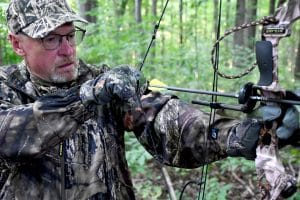
The Jetstream WS uses WINDSTOPPER by GORE-TEX Labs to block wind and repel light precipitation, then adds a lofted fleece liner for warmth. The exterior stretches well, and the synthetic digital leather palm with silicone grip dots helps the hand stay connected to a bow or firearm.
For me, the biggest advantage is how natural it feels compared with a late-season insulated glove. It is warm enough for many cool fall bowhunts without creating the clumsy finger feel that makes a release or safety harder to manage.
It is not a true waterproof glove, so this is not the pair I would grab for an all-day cold rain or a waterfowl hunt. Think wind, cool temperatures and dexterity—not deep winter or continuous water exposure.
Reasons to Buy
- Excellent dexterity
- Strong wind protection
- Good grip
- Touchscreen thumb and forefinger
- Broad size range
Reasons to Consider
- Not fully waterproof
- Not a deep-winter glove
- Cuff can feel snug on larger hands
Best Turkey Hunting Glove
SITKA Equinox Guard Glove
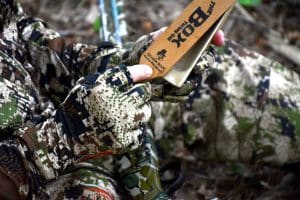
Turkey hunters need gloves for concealment, but spring brings another problem: ticks, mosquitoes and other biting insects. The Equinox Guard is built around that reality. Its lightweight stretch fabric helps reduce bites, while built-in Insect Shield repels mosquitoes, ticks, ants, flies, chiggers and no-see-ums.
The thumb and index finger are exposed, which gives excellent control over a trigger, slate call, box call, mouth-call case, rangefinder or phone. Nylon Cordura reinforcement adds durability in high-wear areas, and the AX Suede palm improves grip.
The exposed fingers are both the strength and weakness. I like the control, but hunters who want every fingertip covered may prefer a conventional lightweight camo glove.
Reasons to Buy
- Built-in insect-repellent treatment
- Lightweight and breathable
- Excellent trigger and call control
- Reinforced high-wear areas
- Long cuff improves coverage
Reasons to Consider
- Not waterproof
- Not insulated for cold weather
- Exposed fingers will not appeal to everyone
Best Heated Gloves for Hunting
TIDEWE Insulated Heated Gloves
The current TIDEWE heated glove uses three heat settings. According to the manufacturer, the high setting runs roughly 2.5 to 3.5 hours, medium about 4 to 5 hours and low about 6.5 to 8.5 hours. That gives a hunter a practical way to conserve power during a long sit instead of running maximum heat from the truck to closing light.
The glove uses a layered weather-resistant construction with a waterproof barrier, substantial synthetic insulation and conductive material on the thumb and index finger for touchscreen use. Adjustable wrist straps and drawstrings help seal in warmth.
This is still a heavy glove. Battery packs add weight, and the thickness makes fine trigger control harder. I see it as a treestand, blind and late-season comfort tool—not the glove I would choose for snap shooting or bowhunting.
Reasons to Buy
- Three adjustable heat levels
- Useful even with the heat turned off
- Touchscreen compatible
- Weather-resistant construction
- Good price for a heated glove
Reasons to Consider
- Batteries need to be charged
- Heavier than a conventional glove
- Too bulky for some trigger guards and shooting styles
Best Hunting Gloves for the Money
RedHead Camoskinz Liner Gloves
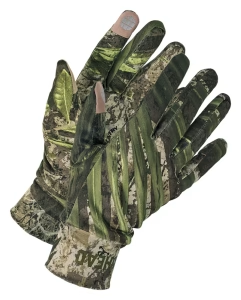
The Camoskinz is intentionally simple. The stretch fabric keeps the fit close, silicone printing adds grip, and touchscreen-compatible index fingers and thumbs mean there is less reason to expose bare hands to use a phone.
It is not insulated and it is not waterproof, so expectations matter. This is a turkey glove, an early-season glove or a liner—not a standalone solution for freezing rain. It also is not the glove I would choose for pushing through thorny upland cover.
The value comes from versatility. A lightweight glove that can be worn alone in mild conditions and then disappear beneath a heavier glove later in the season is more useful than the price suggests.
Reasons to Buy
- Low price
- Close, stretchable fit
- Touchscreen compatible
- Works well as a liner
- Silicone palm improves grip
Reasons to Consider
- No meaningful insulation
- Not waterproof
- Not built for briars or rough cover
Best Deer Hunting Glove
KUIU Guide X
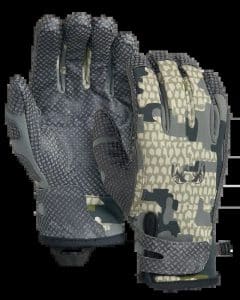
KUIU redesigned the Guide X around better fit and finger shape. The glove uses Pittards Oiltac leather for grip and durability, fleece-backed PrimeFlex fabric for warmth and stretch, and a Dermizax NX membrane in the softshell construction.
For deer hunting, that combination makes sense. The glove is warm enough for cool-to-cold conditions, breathable enough for more active approaches and durable enough for repeated use with a bow, rifle, climbing sticks or other gear.
The important limitation is water. KUIU describes the glove as highly water resistant rather than fully waterproof. That is enough for snow, brush and short periods of moisture, but I would switch to a true waterproof glove if a soaking rain were likely.
Reasons to Buy
- Excellent leather grip
- Durable construction
- Good balance of warmth and dexterity
- Breathable enough for active hunts
- Redesigned finger shape improves fit
Reasons to Consider
- Not fully waterproof
- No touchscreen feature listed
- Not warm enough for the coldest stationary hunts
Best Tactical / Shooting Glove
Glacier Outdoor Elite Tactical
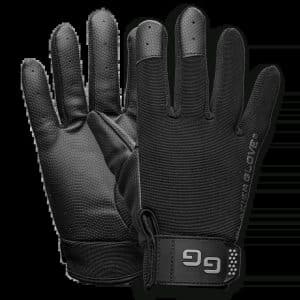
The four-way stretch fabric lets the Elite Tactical fit closely around the hand, while the vented synthetic palm adds grip without creating much bulk. The fabric is water resistant and quick drying rather than fully waterproof.
That makes it a good range glove and a useful mild-weather hunting glove. It is particularly appealing when the shooter wants a layer between the hand and cold metal without losing much trigger feel.
It is not insulated, and I would not expect it to handle prolonged rain, snow or a freezing treestand. This is a precision-first glove, not a weather-first glove.
Reasons to Buy
- Excellent shooting dexterity
- Close, breathable fit
- Quick-drying fabric
- Good current price
Reasons to Consider
- Not waterproof
- Little cold-weather insulation
- Not designed for rough briar-filled upland cover
Best Upland Hunting Glove
Hunt Monkey Upland Fieldmaster Precision Shooting Glove
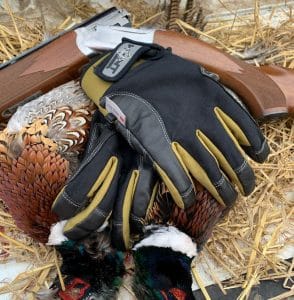
Soft fleece may feel great in the truck, but it can turn into a burr magnet when you push through the places pheasants and grouse actually live. The Upland Fieldmaster uses rugged canvas across the back of the hand to handle briars, thorns and field abrasion, then combines it with a premium goatskin leather palm for grip and durability.
The glove also adds 40-gram Thinsulate, a microfleece lining and DWR Water-Shed treatment. That is enough warmth for many cool upland days without making the trigger finger unnecessarily thick. The slim-cut index finger and thumb help with shotgun control, and the index finger is touchscreen compatible.
This is water resistant rather than waterproof. That is a reasonable tradeoff for an upland glove, where breathability, brush resistance and fast gun handling usually matter more than sitting in standing water.
Reasons to Buy
- Canvas resists burrs and brush better than soft fleece
- Goatskin palm gives excellent grip
- Slim shooting finger and thumb
- Light insulation suits active hunting
- Touchscreen index finger
Reasons to Consider
- Water resistant, not waterproof
- Only one color
- Size range starts at medium
How to Choose Hunting Gloves
Start With the Hunt, Not the Temperature
A 30-degree pheasant hunt and a 30-degree treestand sit are completely different. Walking miles through cover produces heat. Sitting motionless does not. Match insulation to activity level first.
Waterproof and Water Resistant Are Not the Same
A DWR finish can shed dew and short periods of light moisture. A true waterproof membrane is the better choice for steady rain, wet snow, waterfowl blinds and repeated contact with wet gear.
Trigger Feel Matters More Than Maximum Warmth
The warmest glove in the store is not automatically the best hunting glove. If the finger will not fit comfortably into your trigger guard, or you cannot feel a safety or release, the glove is too bulky for that setup.
Leather Helps With Grip and Durability
Goatskin and other leather palms can provide a more natural grip on guns, bows and equipment. Synthetic grip materials can work well too, particularly when they are designed to stay tacky when wet.
Touchscreen Fingers Are More Useful Than They Sound
Maps, weather, trail-camera apps and text messages are part of modern hunting. Every time a glove comes off in rain or snow, there is another chance to put a wet hand back inside it.
Sometimes a Two-Glove System Is Better
A thin liner under a heavier glove or mitten can provide more flexibility than one compromise glove. Keep the warm outer layer on while waiting, then shed it when a shot becomes likely.
Do This Before Hunting With New Gloves
The glove did not fail. I failed to test the glove with the exact firearm I was carrying.
Before hunting, put on the gloves and shoulder the actual gun or bow you plan to use. Work the safety. Cycle the action. Load and unload safely. Try your release. Make sure the trigger finger fits naturally inside the guard. A glove that works perfectly with one firearm may be awkward with another.
Also inspect tags, bright logos and other small details. A white care tag that seems harmless in the house can flash at exactly the wrong time when a turkey is inside range.
How to Care for Hunting Gloves
The most important rule is simple: put gloves away clean and completely dry. Damp gloves stored in a pack or tote can develop odor, mildew and degraded materials.
Lightly soiled gloves can often be brushed off once dry. For a deeper clean, follow the manufacturer’s washing instructions rather than assuming every glove can go through the same wash and dry cycle. Leather, waterproof membranes, DWR finishes, battery-heated gloves and delicate liners can all require different care.
A boot-and-glove dryer is useful after soaked hunts, but check the glove manufacturer’s heat recommendations first. Excessive heat can damage waterproof membranes, adhesives, leather and synthetic insulation.
Hunting Glove FAQs
What are the best all-around hunting gloves?
The Glacier Outdoor Alaska Pro is my best all-around choice because it combines waterproof protection, useful insulation, a leather grip and better shooting dexterity than most heavy cold-weather gloves.
What are the warmest hunting gloves in this guide?
The Northern Flight HDry and SITKA Blizzard GTX are the strongest conventional cold-weather choices. The TIDEWE is the warmest option when battery-powered heat makes sense for a long stationary hunt.
Should hunting gloves be tight or loose?
They should fit close enough to preserve dexterity without compressing the hand or restricting circulation. Overly tight gloves can make cold fingers worse. Heavy winter gloves need a little room for insulation to loft.
Are waterproof gloves worth it for hunting?
Yes when the hunt involves steady rain, wet snow, waterfowl, wet vegetation or repeated contact with damp gear. For dry-weather bowhunting and active upland hunting, a more breathable water-resistant glove may be the better compromise.
Are heated gloves good for deer hunting?
They can be excellent for long treestand or blind sits. Their main drawback is bulk, so test them with your exact firearm or plan to remove the shooting-hand glove when a shot becomes likely.
What gloves are best for turkey hunting?
The SITKA Equinox Guard is my top pick because it adds insect protection to lightweight camouflage and leaves the index finger and thumb exposed for trigger and call control. The Hunt Monkey Ridge Runner is a less expensive alternative with a closer full-finger fit.
Final Thoughts
The best hunting glove is the one that protects your hands without getting between you and the shot. That usually means resisting the urge to buy the warmest glove available and instead matching insulation, waterproofing, grip and dexterity to the way you actually hunt.
If I wanted one pair for the widest range of conditions, I would start with the Glacier Outdoor Alaska Pro. For colder stationary hunting I would move to the Northern Flight HDry or SITKA Blizzard GTX, while bowhunters and turkey hunters are better served by lighter, more specialized options such as the Jetstream WS and Equinox Guard.
Whatever you choose, test the glove with the exact gun, bow, safety, trigger guard, release and other equipment you will carry. Warm hands are important. Being able to make the shot cleanly matters more.
Per our affiliate disclosure, we may earn revenue from the products available on this page. To learn more about how we test gear, click here.