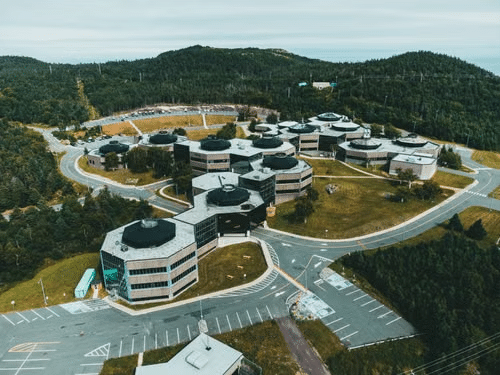
Michigan has long attracted visitors with its forests, wetlands, and Great Lakes coastline. Hunters, anglers, and seasonal tourists often come for the landscape itself rather than for built attractions.
New investments across the state are helping extend the tourism season by giving visitors more reasons to stay longer, especially during quieter months. In many resort communities, entertainment options have expanded alongside hotels and other amenities.
The same desire to explore before committing also shapes how some visitors research casino entertainment ahead of a trip. Platforms featuring no-cost spins offers from licensed operators allow players to sample selected games in advance. Slotozilla also provides bonus information, casino reviews, and practical guides designed to help users compare their online entertainment options.
Major Resort Investments Are Changing Michigan’s Tourism Landscape
The transformation of Michigan’s hospitality sector is driven by specific, large-scale projects rather than a gradual incremental shift. Two developments announced or completed in 2025 and 2026 illustrate the direction of travel clearly.
Gun Lake Casino Resort: A $300 Million Reinvention
The Match-E-Be-Nash-She-Wish Band of Pottawatomi Indians completed Phase 5 of the Gun Lake Casino Resort expansion in Wayland Township, about 20 miles south of Grand Rapids, in March 2025. The $300 million project transformed what had been a regional gaming facility into a full-service resort destination.
The centerpiece additions include a 15-story hotel tower with 252 rooms, including 221 standard rooms, 30 suites, and a two-story premium suite. The Wawyé Oasis is a 32,000-square-foot glass-domed atrium maintained at around 80 degrees year-round, featuring two pools, a swim-up bar, cabanas, and a performance stage. The venue can accommodate up to 1,450 guests for receptions, depending on the event configuration. The development also includes the MnoYé Spa, named after the Potawatomi phrase meaning “living well.”
The scope of the project extends well beyond gaming. The resort’s dining portfolio now includes Sandhill Café, the Harvest Buffet with global cuisine, Lucky Dragon Noodle Bar for Vietnamese specialties, Shkodé Chophouse for steaks and seafood, and the 131 Sportsbar with over 1,000 square feet of viewing surface.
Kewadin Casinos: A System-Wide Renovation Across the Upper Peninsula
In June 2026, the Sault Ste. Marie Tribe of Chippewa Indians announced a multi-year renovation initiative covering all five Kewadin Casino properties across Michigan’s Upper Peninsula: Sault Ste. Marie, St. Ignace, Christmas, Manistique, and Hessel. The project represents one of the largest system-wide investments in Kewadin’s 40-year history.
The renovation program covers gaming floor upgrades, new and refreshed dining venues, hotel room renovations at the Sault Ste. Marie and St. Ignace properties, exterior improvements, and technology upgrades including improved Wi-Fi and digital wayfinding across all five locations.
At the Christmas property specifically, improvements are aimed directly at tourist traffic, including a redesigned exterior that leans into the town’s holiday theme.
Why Hospitality Is Expanding Beyond Hunting Tourism
The economic logic behind these investments is straightforward. Michigan has 26 tribal and commercial casinos, and in a crowded market, differentiation through hospitality infrastructure has become the primary competitive lever. A gaming floor alone no longer justifies a long drive or overnight stay from a major urban center.
A hotel tower, a spa, a year-round indoor waterpark, and a dining portfolio that covers everything from grab-and-go breakfast to fine dining create a reason to visit that holds regardless of season or weather.
According to Michigan’s official tourism resources, the state welcomes tens of millions of visitors annually, with outdoor recreation consistently among the top-cited motivations. Developments like Gun Lake’s Wawyé Oasis and Kewadin’s renovated properties are designed to capture a share of that audience beyond the hunting and fishing calendar by offering indoor resort amenities that are not dependent on seasons or wildlife patterns.
| Category | Gun Lake Casino Resort Phase 5 | Kewadin Casinos renovation |
| Development | Gun Lake Casino Resort Phase 5 | Kewadin Casinos renovation |
| Location | Wayland Township | 5 UP locations |
| Investment | $300M | Undisclosed |
| Key New Amenities | 16-story hotel, Wawyé Oasis glass dome, MnoYé Spa, 6 dining venues | Hotel renovations, dining refresh, technology upgrades, exterior improvements |
| Target Visitor Profile | Year-round resort guests, event attendees, weekend travelers | Regional visitors, UP tourists, seasonal travelers |
What These Developments Mean for Local Communities
The economic impact of large-scale resort development extends well beyond the properties themselves. Gun Lake Casino Resort now employs 1,500 people across gaming, hospitality, food and beverage, security, and management, a figure that represents significant direct employment in a region where alternative large-scale employers are limited.

The broader estimated economic footprint of the Phase 5 expansion alone is $650 million, drawing visitors from Grand Rapids, Detroit, Cleveland, and Chicago and directing that spending into local supply chains and service businesses. The following benefits have been identified across communities where major resort investments are active:
- Direct employment in hospitality, food and beverage, maintenance, and security
- Increased spending at local businesses by resort guests staying overnight
- Construction employment during the build and renovation phases
- Expanded tax revenue for local and tribal governments
- Year-round visitor traffic that stabilizes seasonal revenue fluctuations
- Infrastructure improvements including parking, signage, and road access
What Comes Next for Michigan’s Outdoor Destinations?
The investment wave appears to be a long-term trend. Kewadin’s renovations will continue through 2028, while Gun Lake’s strong advance bookings may push other regional operators to improve their amenities. These projects also reflect changing visitor demand. Combining year-round indoor attractions with Michigan’s outdoor recreation could support more sustainable tourism growth.
Per our affiliate disclosure, we may earn revenue from the products available on this page. To learn more about how we test gear, click here.