



If you’re interested in foraging for spring delicacies but don’t know where to begin, this article will point you in the right direction.
How to Find Morel Mushrooms
Spring is one of my favorite seasons. I enjoy the nice weather following a long winter. I also genuinely love fishing and turkey hunting. As if those interests don’t consume enough of my time, morel mushrooms now have a permanent place on my spring schedule. And honestly, my wife enjoys morel mushroom hunting more than I do. She’ll drop practically anything to go.
Mushroom hunting isn’t for everyone, though. It requires patience, an interest in the outdoors and a love for foraging. Some people would rather buy mushrooms from the grocery store than tromp all over God’s green earth with no guarantee of success. But for me, finding wild mushrooms just hits differently. It’s more satisfying. Plus, I haven’t eaten a better-tasting mushroom than the morel.
If I’ve piqued your interest, follow along and we’ll discuss some ins and outs of springtime’s greatest delicacy.
What to Look For
First things first. In this article, I’ll discuss some morel mushroom traits, but please understand that I’m not a mycologist. Use this information to help you hunt for and find morels if you like, but when it comes to actually consuming them (or any wild mushroom), you do so at your own risk. There are inherent dangers consuming poisonous mushrooms, whether you do it inadvertently or intentionally.
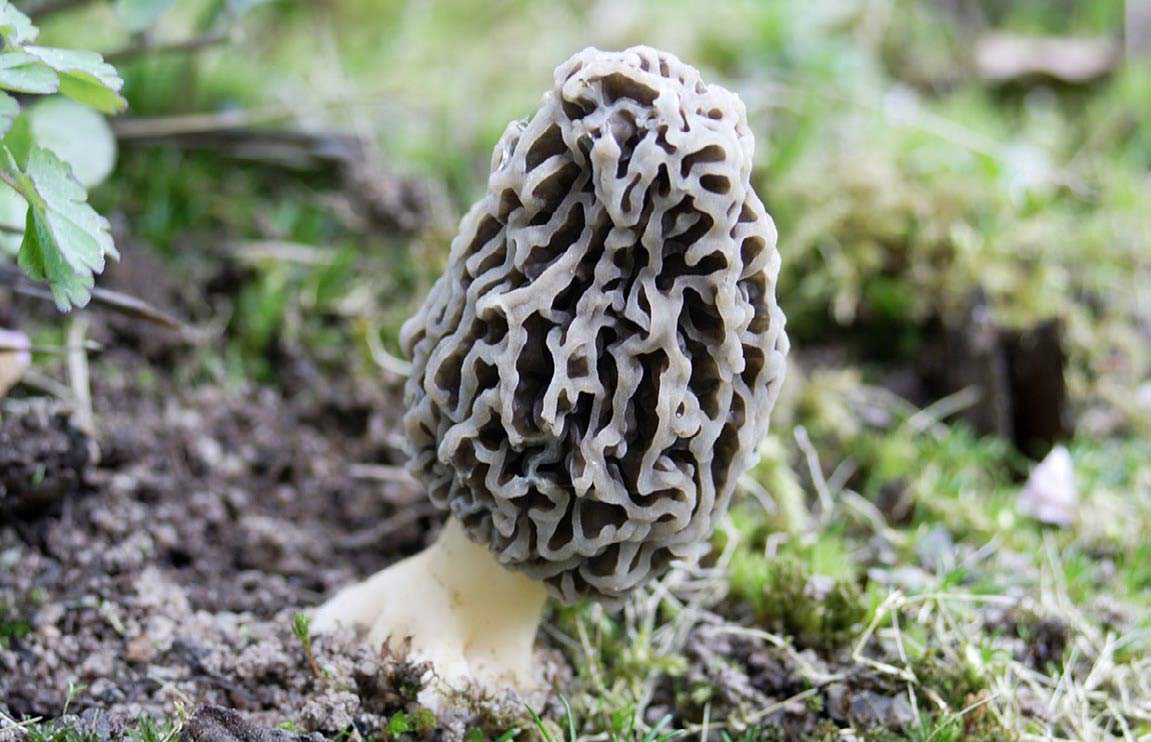
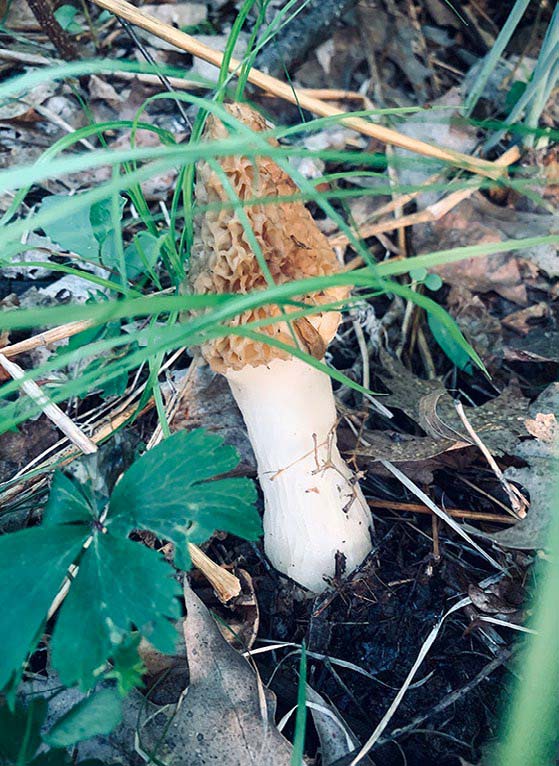
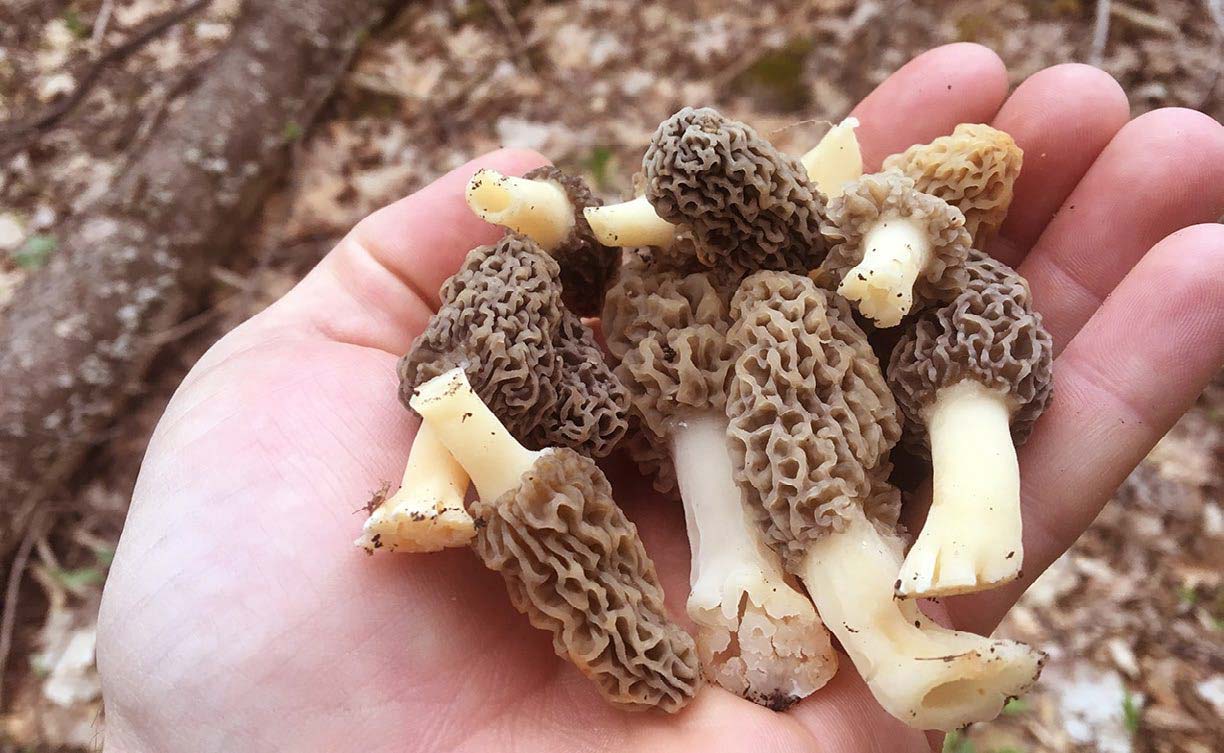
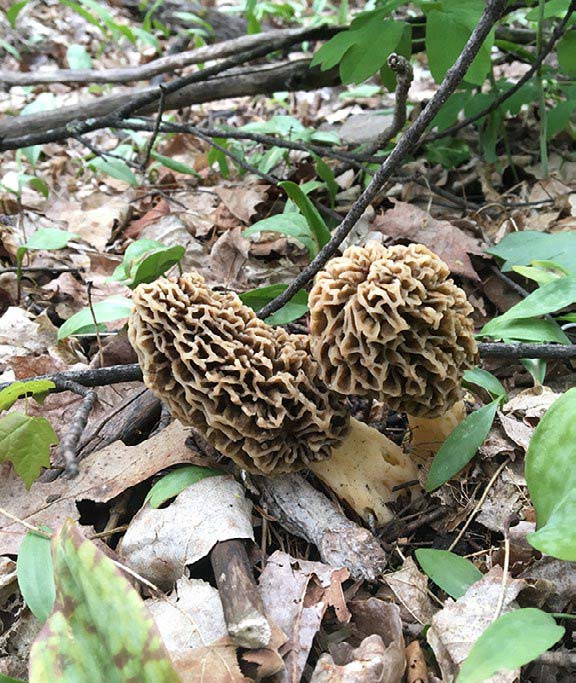
With that, let’s talk morels. What do they look like? They vary in color and stature by species, but they all have fairly smooth, white or yellowish stems and yellow, gray or nearly black caps featuring concave pits. The cap resembles a sponge or honeycomb. The pattern varies in appearance between different species. The morel’s interior is hollow. In most instances, the oblong cap is usually longer than the stem. Interestingly, there’s a species called the false morel that resembles the genuine morel, but it has wavy ridges rather than pits or pockets. If you see one next to a real morel, the differences are distinguishable.
Many morel hunters refer to their finds as black, white or yellow. While those are certainly morel species, there are subspecies within those. An article on mushroom-appreciation.com written by Mrs. Mushroom says there are 18, possibly 19 species. If you want to know more about the scientific names, ranges and other distinctions, read her article, “The 18 Morel Mushroom Species of the United States.”
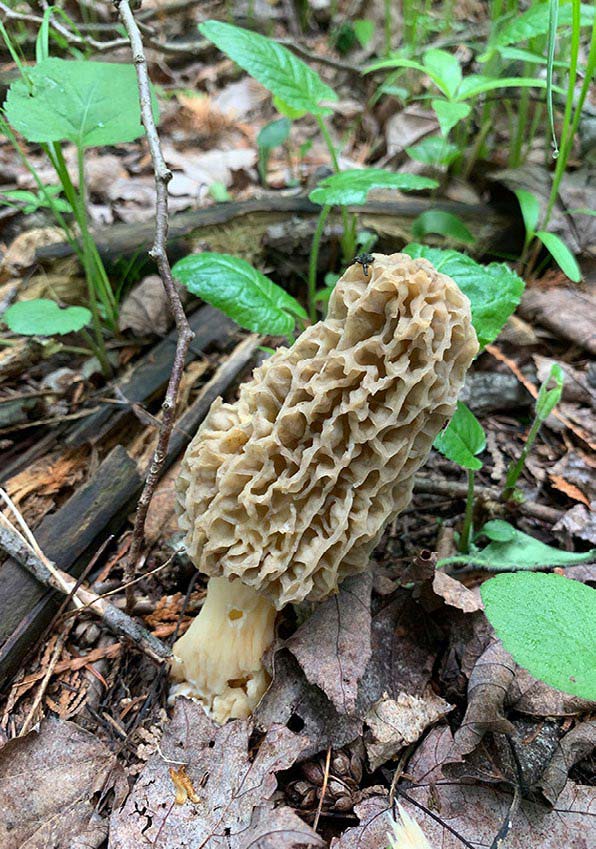
see a couple of holes. As long as the mushroom is firm and not decomposing, the
author will collect and then clean it well prior to cooking.
PHOTO BY DARRON MCDOUGAL
When to Look for Morels
The mighty morel makes its annual debut in springtime. But that doesn’t mean you’ll find morels beginning March 20. Air and soil temperatures influence the fruiting process. Most sources suggest a consistent air temperature of at least 60° F and 45 to 53° F soil temperatures for morels to start popping up. This happens as early as mid-February way down south. Some of my Facebook friends begin posting pictures in March and April. Okay, that makes me a little envious; my wife and I don’t begin finding them in central Wisconsin until mid-to-late May.
If you’re brand new at this, you’ll want to join morel mushroom groups on Facebook and post questions related to your area. Other enthusiasts are apt to share their knowledge, helping you know when to begin looking. Of course, a soil thermometer can help you determine that, too.
Don’t get discouraged if you don’t find any right away. In my experience, morel mushroom hunting involves more looking than finding. Sometimes it’s because they simply haven’t popped up yet. Patience and persistence are keys to success.
Where to Look for Morels
My morel mushroom hunting experience is limited to Wisconsin where I reside, but morels can be found in most states and many Canadian provinces, too. According to morelmushroomhunting.com, even Hawaii and Alaska have morels, and so do western states like Wyoming, Montana, Washington and Oregon.
Now, let’s drill down and be more specific as to specific places to begin searching. Some of it is region-specific, but there are some generalities that apply to most locations. Pay close attention to south-facing slopes, particularly on the earliest dates that you expect to start seeing morels. Why? That’s where the soil will reach the correct temperature first. Recent and current logging areas are another bet, as are controlled or wildfire-burn areas. Look near dead or dying trees. Some folks are very successful amidst pine and poplar trees (though I haven’t been).
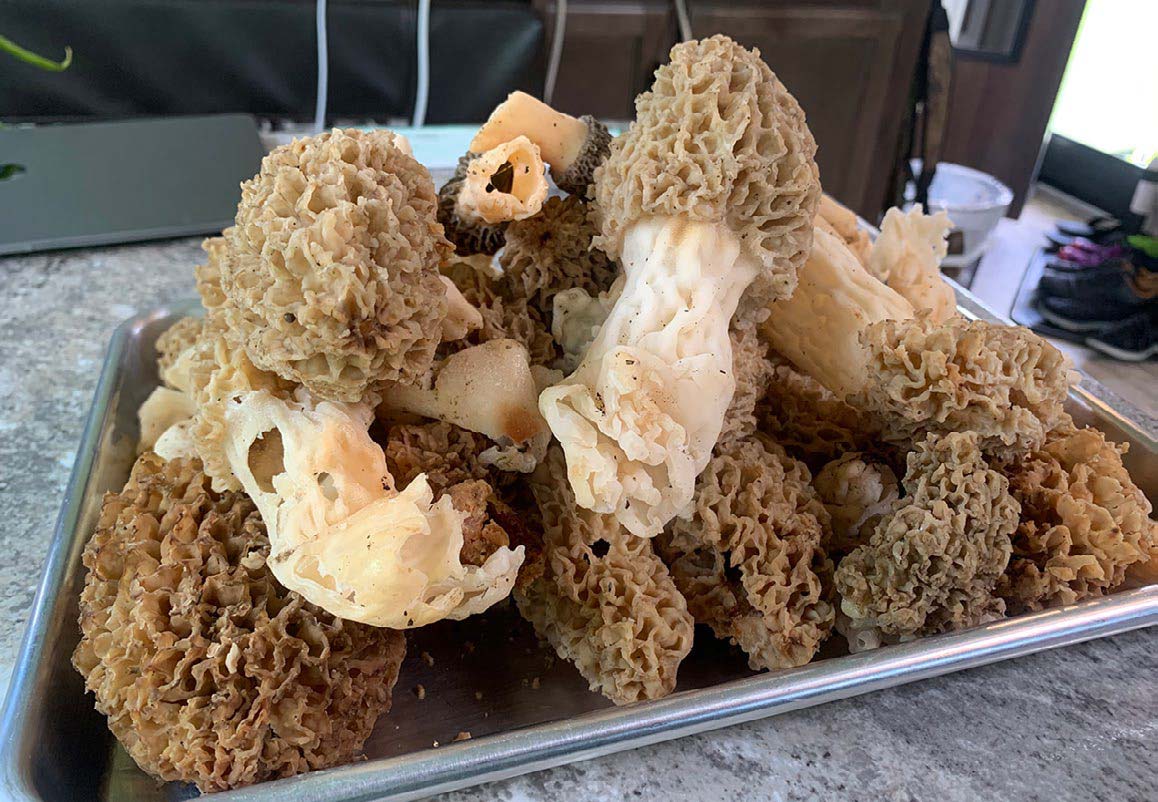
Here in Wisconsin, my family and I have the best success finding morels near ash and elm trees, especially dead or dying ones. We’ve also found them near an old apple orchard. We typically look among rolling hardwood habitat and around field edges. My family once found a bumper crop along a freshly worked dirt field around dead elms. The finds I referenced at the beginning of the article were in a similar setting.
How to Look
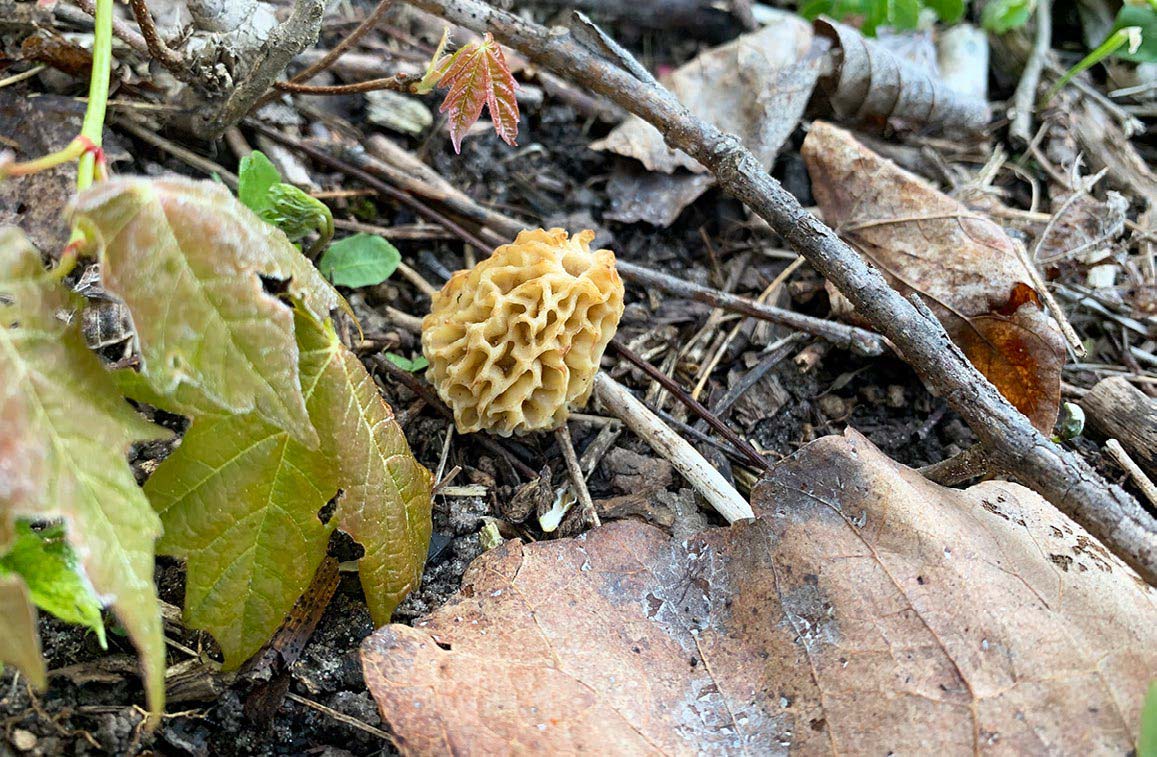
Morel species in the black and gray families are naturally camouflaged, and the honeycomb design further blends these tasty gems into the forest floor—meaning they are great at hiding in plain sight. Adding more difficulty, morels aren’t always visible. Sometimes you have to get down and dirty to find them.
Underneath suspicious ash and elm trees or near logs, I’ve found morels by gently gliding my hands through green vegetation. As soon as my hand bumps into something that feels like a mushroom, I part the vegetation to reveal my find. It pays to look around logs and in and around brush piles. Don’t be afraid to move stuff around. I’ve even noticed suspicious dead oak leaves sticking up above others on the ground, then peeled them away to reveal morels.
Spotting the first one of the season is typically difficult, but once you do, it seems to get a bit easier. I know a guy who carries an artificial morel mushroom in his pocket to reference periodically, training his eyes on what to look for.
Fortunately, the yellow variety stands out a little more than the black and gray varieties. When vegetation is sparse, I’ve spotted them from as far as 20 yards away, but it’s rarely that easy, given the vegetation.
How to Harvest Morel Mushrooms
Carry a folding pocketknife while morel mushroom hunting. We cut the stem at ground level rather than pluck the entire mushroom from the soil. We learned to do it that way from other mushroom hunters. I like to think that less disturbance to the mycelium is a good thing, plus it reduces the amount of soil in the carrying bag.
Seasoned morel hunters carry their finds in mesh bags. That allows the spoor to fall about the field and forest as they hike. Spreading spoor is said to be good for the future of morel mushroom hunting. So, get yourself a good mesh bag. The type that oranges are packaged in will work.
When you find young morels, consider this: Cooked down, they’ll amount to nearly nothing. If there aren’t slugs on them, consider leaving them for two or three days and then check back. With the right conditions, they’ll grow larger, plus you might see even more morels popping up when you return.
If you find morels that are deteriorating or are full of beetles and slugs, let them go back to the land, as they’ll be difficult to clean and prepare.
How to Cook Morels
Once you harvest some morels, you can put them into the refrigerator for a couple of days if you don’t have time to prepare them immediately. However, it’s best to cook them sooner rather than later. And be aware that a lot makes a little once they’re cooked down. What looks like a feast in your mesh bag usually cooks down to a modest snack unless you find several dozen.
Cleaning morels prior to cooking is important. We slice them in half lengthways. Then, we fill a large bowl with room-temperature water and dissolve about one-fourth of a cup of salt into the water. Next, we place the halved mushrooms into the water. This drives out most bugs and slugs (if any are present). After soaking for about 15-20 minutes, we strain them and rinse them thoroughly with cool water.
After that, they go onto a large baking sheet lined with a couple of layers of paper towel to dry. Finally, we carefully study them for bugs and other unwanted debris once more.
Get Cooking – A Morel Mushroom Recipe
| Beware of Ticks |
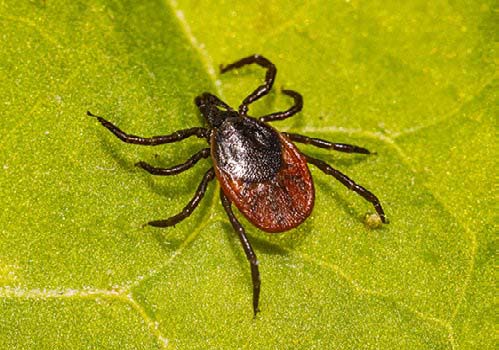
| Ticks are abundant in most areas where morels exist. Consider permethrin products, or, at the very least, check yourself frequently.
There are many tick-borne diseases and illnesses, and they are nothing to mess with.
|
Now, it’s time to get cooking. Even edible mushrooms must be cooked to a given temperature— makatoclinic.com suggests an internal temperature of 266 to 293° F. That said, don’t eat morels raw or undercooked. Some folks dehydrate them to be used later in soups, but dehydrated isn’t cooked. I know someone who ate dehydrated morels and experienced intestinal distress and discomfort. That doesn’t sound like fun to me.
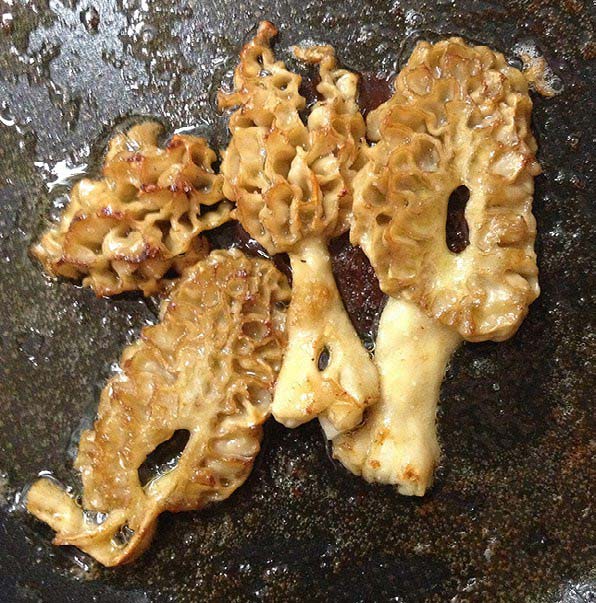
My favorite way to eat morels is pan-friend in a generous amount of butter, then lightly salted. I cook them way down until they’re caramelized. They taste like cheese meets steak. They’re delicious as a snack or an appetizer prior to a meal. They also make an excellent side for steaks or a topper for burgers.
Check two of our recipes on cooking with wild mushrooms..
Pan Fried Venison with Chicken of the Woods Mushrooms, Grilled Apple Whipped Potatoes and Gravy
Elk Backstrap, Hen of the Woods Mushrooms & Homemade Spaetzle
Family Fun Hunting for Morel Mushrooms
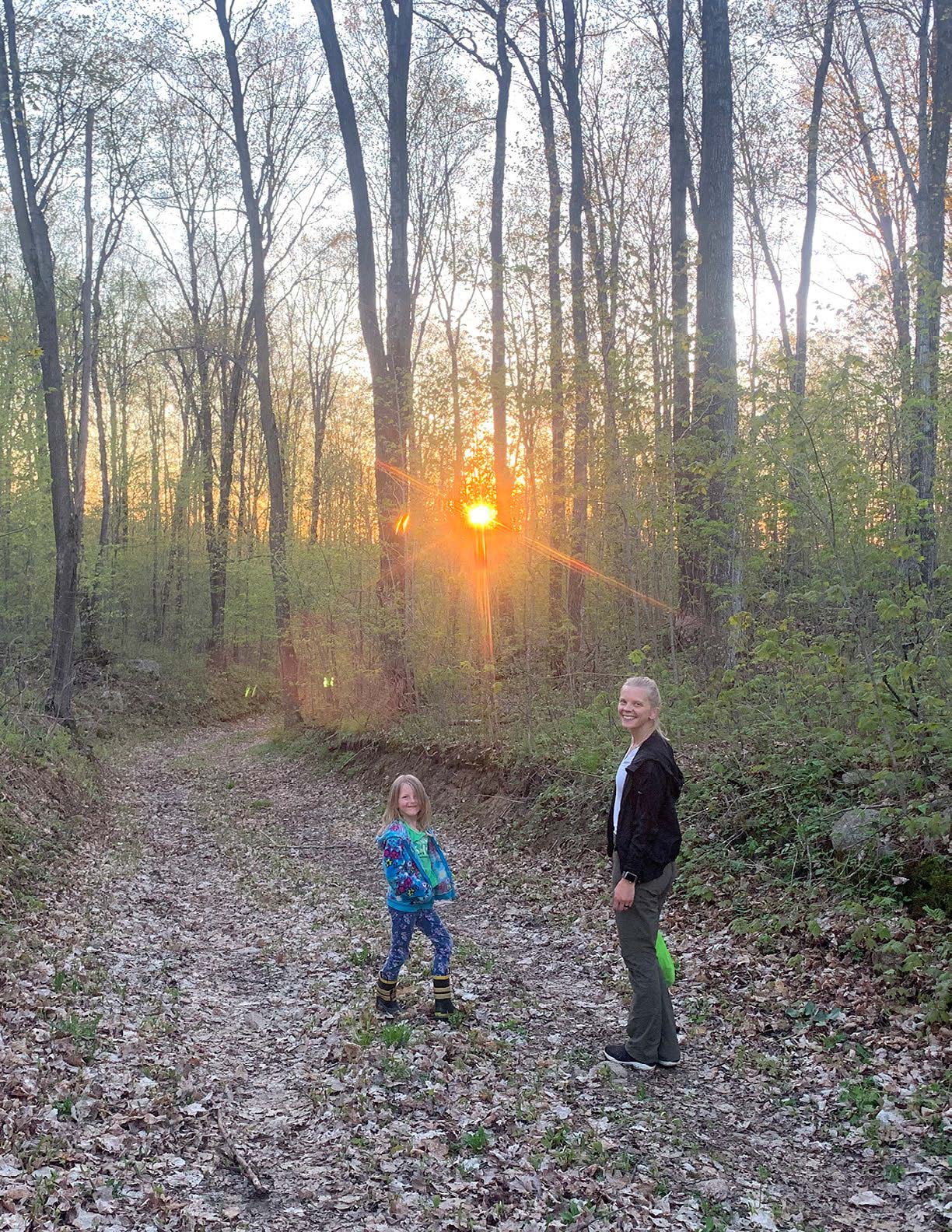
To finish, morel mushroom hunting is a great experience to share with friends and family. More eyes in the hunt increases your odds of finding mushrooms. And who knows? Maybe you’ll stumble on a heap of morels like I did that time hunting them with my wife and brother.
Per our affiliate disclosure, we may earn revenue from the products available on this page. To learn more about how we test gear, click here.