



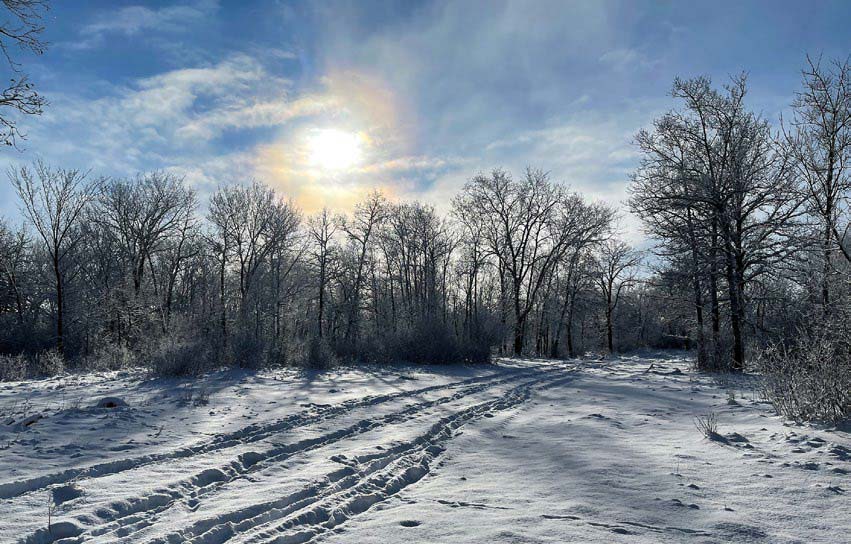
How Weather Patterns Affect Deer Movement
I feel like a sausage—an onion-wrapped sausage—as I waddle my way to the tree stand.
Layers upon layers of thermal underwear, a sweatsuit, a windbreaker, parka, ski pants, minus 100-degree boots, a neck warmer, toque, and mittens thick enough to safely handle liquid nitrogen have me loaded up and ready to face the absurdly cold temperatures of a late-season Manitoba Whitetail hunt.
I’m convinced that this hard freeze will get deer moving around and give me a chance at a buck this year. But, the truth is, I am about to spend the day like a tongue stuck to a frozen pole with nothing to show but some mild hypothermia.

I’m sure many, if not most, hardcore Whitetail hunters have been in this position before…watching the weather station closely and trying to determine the best time to venture into the field. How much of our decisions are we basing on science and how much are we basing on hearsay? You know the old chestnuts, such as, “There’s a high-pressure system rolling in, that’ll for sure get deer moving.”
Lots of Truth
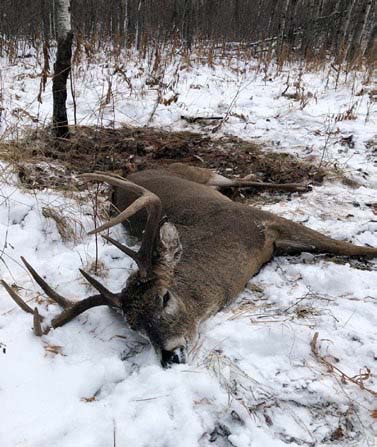 It turns out there is a lot of truth to that statement. Deer biologists have found that barometric pressure does indeed affect movement. In fact, there appears to be a range for sighting bucks between 30.00 and 30.40 inches of mercury (Hg) or 101.6-102.9 Kilopascals (kP). The sweet spot seems to fall between 30.20-30.30 Hg (102.3 – 102.6 kP. While it’s a challenge to check barometric pressure without some internet connectivity or a barometer, it’s well worth noting, and, if possible, tracking. Others have found that rising pressure right before the sweet spot nets more deer sightings.
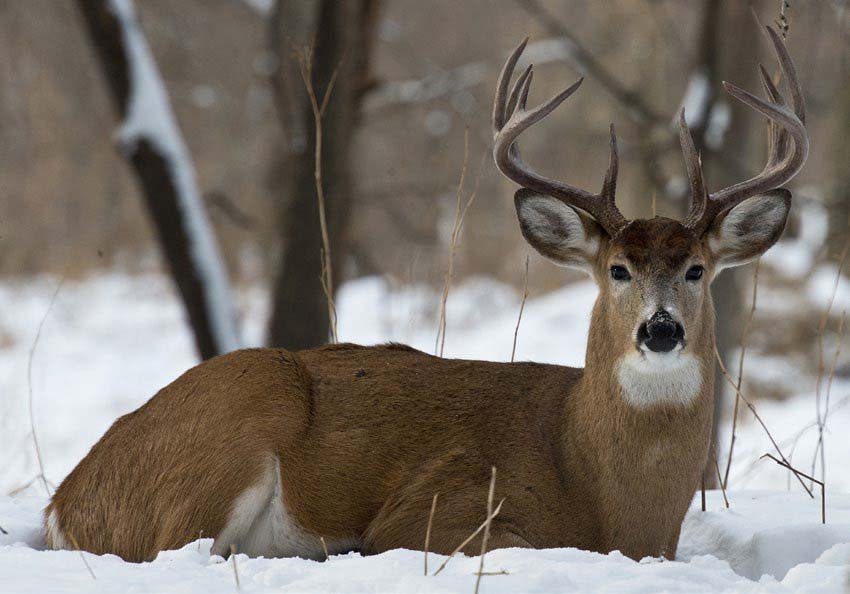
The other factor that plays a large role in deer movement, and the primary reason why I’m frozen to a deer stand many days, is temperature. The colder it is, the better your chances of seeing a deer moving during the day. This can be traced to a couple of factors:
- Deer generally have their winter coats by mid-October. As the day warms, deer are generally looking to bed down somewhere cooler, so mornings are the best opportunity to find a deer. Come November, cold temps will have deer cruising all day long. This brings me to the second factor.
- Deer require higher caloric intake to keep their body temperature where it needs to be.
Early mornings will have deer staying close to their bedding areas, which poses a challenge to the hunter attempting to sneak into their stands at first light. Better to get in at dark or hold off until the deer move off their bedding areas once the sun brings temps up a couple of degrees, then plan on hunting the afternoon. This is good news for hunters who dislike the alarm clock.
Gear for the Temps
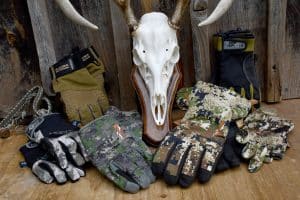
Speaking of low temperatures, it is incredibly important to stay warm and comfortable for extended time periods outside. Invest in a good quality jacket, layer up properly, and pick up some hand and foot warmers to keep you in the stand longer. On very cold days, I’ll also lug in my trusty thermos full of hot tea.
 A final thought on layering: staying comfortable (and safe) on long sits on cold days is largely predicated upon how much sweat you generate getting to the stand. When heading in, dress light enough that you’re not pouring sweat when you arrive. If you end up covered in sweat, that moisture is going to steal body heat as it evaporates and cools. That’s a recipe for leaving early, or worse.
Next, precipitation plays into deer movement in a somewhat unexpected way, especially pre-rut. A study out of Pennsylvania found that while does are unaffected by rain (in that they will still move the same distance throughout the day), bucks are huge wimps. When the weather is dry, bucks (as expected) travel further than does. But when it rains, bucks travel about .4 of a mile less than does do. So, if you’re looking to shoot a doe, head out in the rain. If a buck is your main target, it seems worth waiting out the weather.
The Snow Factor
Here in Manitoba, we don’t contend much with rain during rifle season, but snow is definitely a factor. This ties back to pressure systems as well, but with snow, it is often the amount of snow that’s falling that is important.
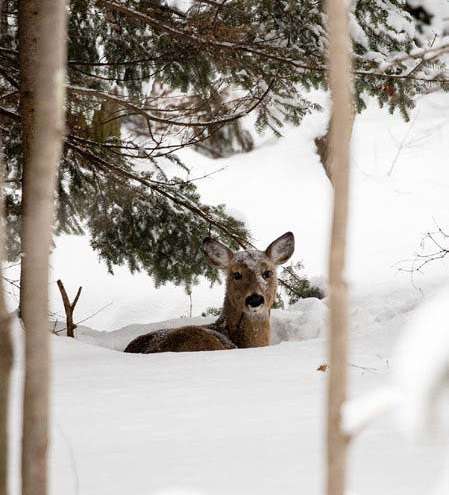
A light snow will find deer going about their business as usual. Before any heavy flakes start to fall, deer will be out feeding and preparing to hunker down in a thick stand of pines to wait out the blizzard. After a heavy snow, deer don’t just head out to feed; they will stay in their secure bedding-down spot for a day or so more. Hunting a couple of days after a blizzard, especially in cold weather, means that deer are working hard just to travel and are once again burning calories at a high rate. That means your opportunity to catch a buck outside during the day is improved.
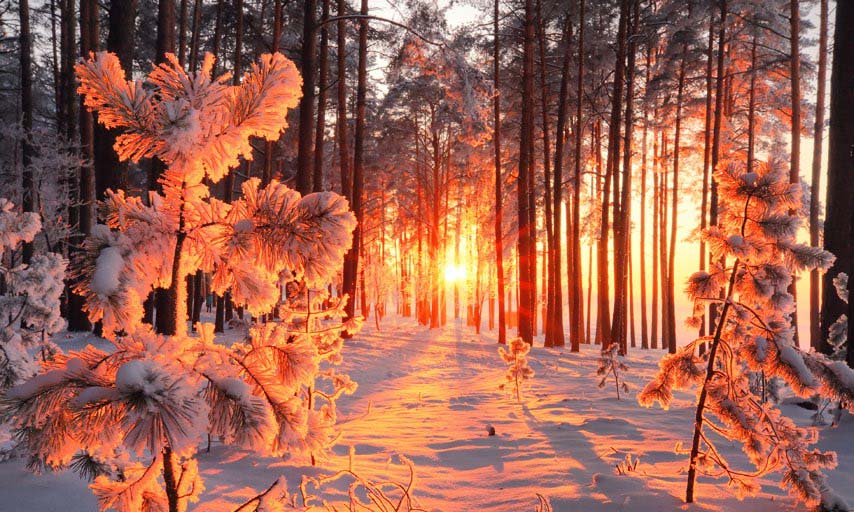
Temperature, precipitation, barometric pressure, and snowfall all play important roles in deer movement. Using the weather to out an unsuspecting buck is one more tool in your toolbox to create the perfect ending to late-season hunting, be it with a rifle, bow, or black powder.
Until next time, stay safe and enjoy the hunt!
By Noel Linsey
Per our affiliate disclosure, we may earn revenue from the products available on this page. To learn more about how we test gear, click here.