



For the dedicated waterfowler, there’s nothing quite like the thrill of a sky filled with ducks. The whistle of wings, the subtle art of the call, and the satisfaction of a successful hunt are all part of a tradition that runs deep in North America. But success in the field isn’t just about luck; it’s about knowledge. Understanding the different types of ducks, their behaviors, and how to identify them is crucial for any hunter. In this guide, we’ll take a closer look at some of the most iconic duck breeds in North America and explore how modern technology can give you an edge.
The Majestic Mallard: A True Classic
The Mallard duck (Anas platyrhynchos) is arguably the most recognizable and widespread duck in the world. From city parks to remote marshes, the sight of a drake’s iridescent green head is a familiar one. For hunters, the mallard is a prized bird, known for its wariness and challenging nature. These birds are a cornerstone of waterfowl hunting, and their populations are a major focus for conservation organizations like Ducks Unlimited.
Identification
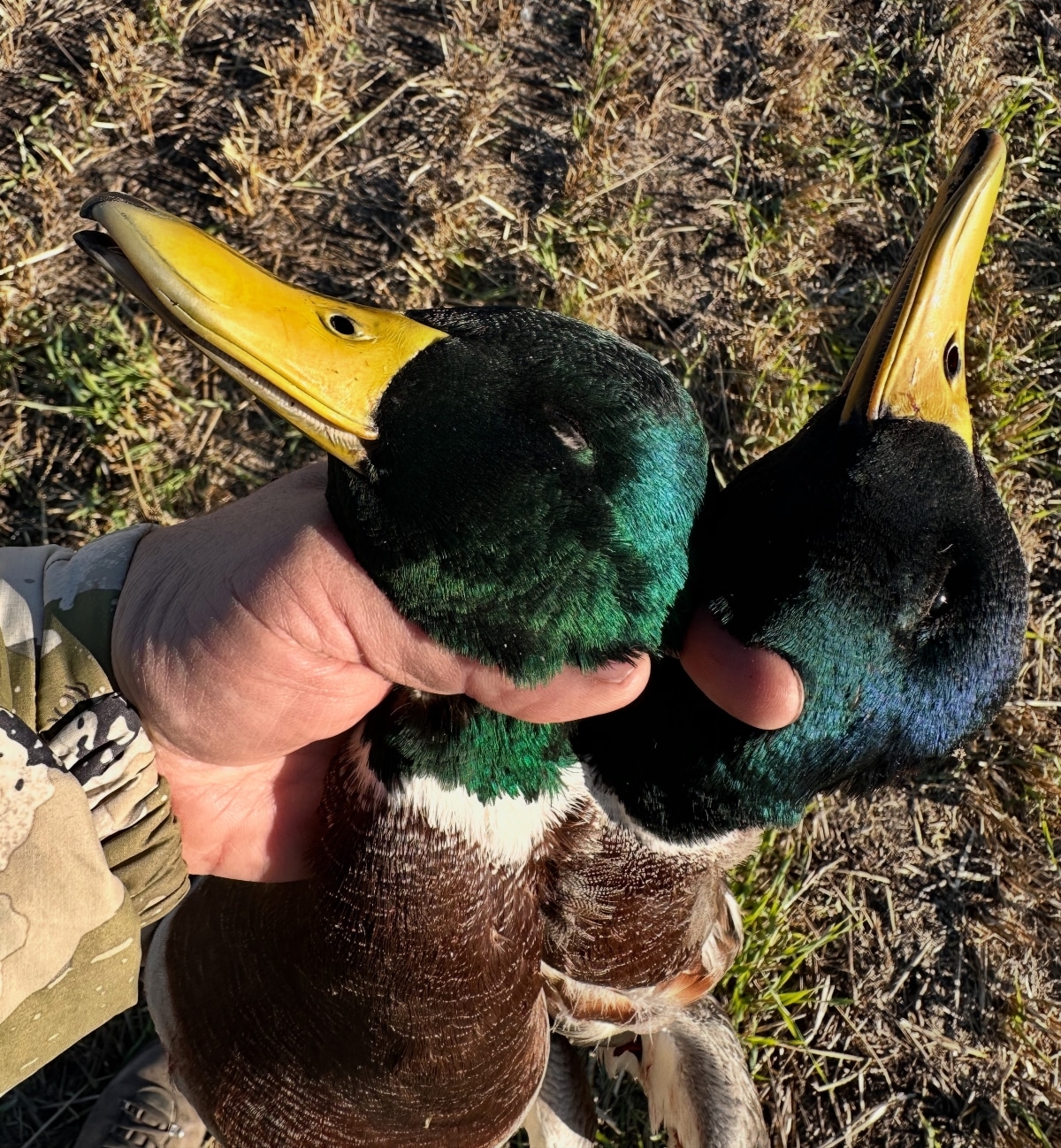
Distinguishing a mallard is relatively straightforward. The drake, or male, boasts a glossy green head, a white ring around its neck, a chestnut-brown chest, and a grayish body. The female, or hen, is a more mottled brown, but she can be identified by the violet-blue speculum (the patch of color on the secondary feathers of the wing) bordered by white, a feature shared by both sexes. When it comes to duck names, the mallard is one of the first that comes to mind for many.
Behavior and Habitat
Mallards are dabbling ducks, meaning they feed by tipping their bodies forward into the water to graze on submerged vegetation. They are incredibly adaptable and can be found in a wide range of habitats, from prairie potholes to beaver ponds and urban parks. Their diet is equally varied, consisting of seeds, plants, insects, and crustaceans. Understanding their feeding habits is key to a successful hunt, as is knowing their lifespan. A common question among enthusiasts is, how long do ducks live? In the wild, a mallard can live for 5 to 10 years, though some have been known to live much longer.
The Dazzling Wood Duck: A Splash of Color
Often called the most beautiful duck in North America, the Wood Duck (Aix sponsa) is a true gem of the wetlands. With its kaleidoscopic plumage, the drake is a sight to behold. These ducks were once on the brink of extinction, but thanks to conservation efforts, including the work of Ducks Unlimited and the development of artificial nesting boxes, their populations have made a remarkable comeback.
Identification
The male wood duck is unmistakable. He has a crested head with iridescent greens, purples, and blues, a bright red eye, and a white throat. His body is a tapestry of colors, with a chestnut breast, golden flanks, and a blue-black back. The female is more subdued, with a grayish-brown body, a white teardrop-shaped patch around her eye, and a short crest. Even with their vibrant colors, they can be surprisingly well-camouflaged in their wooded habitats.
Behavior and Habitat
Unlike most ducks, the wood duck nests in tree cavities, often high above the ground. They are most at home in wooded swamps, bottomland forests, and along slow-moving rivers and streams. Their diet consists mainly of acorns, seeds, and aquatic plants. One of the most fascinating things about wood ducks is their nesting behavior. The ducklings, just a day after hatching, will leap from the nest cavity, sometimes from heights of over 50 feet, and make their way to the nearest water source. This unique behavior is a testament to their adaptability and resilience.
The Elusive Black Duck: A Wary Challenger
The American Black Duck (Anas rubripes), often simply called the black duck, is a close relative of the mallard and a prized bird for East Coast waterfowlers. They are known for being exceptionally wary and difficult to hunt, making them a true trophy for any hunter. Their populations have been a subject of concern for conservationists, and organizations like Ducks Unlimited have invested heavily in research and habitat restoration to support this iconic species.
Identification
At a distance, the black duck can be easily mistaken for a female mallard. However, up close, the differences become more apparent. The black duck has a much darker, chocolate-brown body that contrasts with a lighter, grayish-brown head. The speculum is a deep violet, but unlike the mallard, it lacks the white borders. The male and female are very similar in appearance, though the male’s bill is a brighter yellow.
Behavior and Habitat
Black ducks are typically found in more secluded and pristine wetlands than mallards. They prefer salt marshes, estuaries, and the quiet backwaters of rivers and lakes. They are dabbling ducks, and their diet is similar to that of the mallard, consisting of plants, seeds, and invertebrates. Their cautious nature means that hunters need to be extra vigilant with their camouflage and calling to have a chance at success.
Modern Tracking for the Modern Hunter
While understanding the classic types of ducks is fundamental, today’s hunter has access to technology that can dramatically increase their success. Gone are the days of relying solely on paper maps and a good guess. Modern tools provide a wealth of information, from property lines to real-time weather and migration data. While many hunters are familiar with land-based navigation tools like onx hunt, the world of waterfowl hunting has its own specialized needs.
This is where an app like Duckr comes in. Designed specifically for waterfowlers, it combines many of the essential tools a hunter needs into a single platform. Imagine being able to track the snow goose and snow geese migrations in real-time, knowing exactly when a new wave of birds is heading your way. Or, picture having a comprehensive guide to all types of ducks, including less common species like the bufflehead and merganser, right in your pocket. Duckr provides detailed species information, including identification tips and even audio calls, which can be a game-changer in the field.
One of the most powerful features of Duckr is its advanced mapping capabilities. Similar to onx, it provides detailed property boundaries, so you always know you’re hunting legally. But it goes a step further by offering offline maps, which are essential for those remote hunting spots where cell service is a distant memory. You can also access detailed weather forecasts tailored for hunters, including wind direction and speed, which are critical for setting up your decoys and anticipating bird behavior. And for those who are serious about their craft, the app even includes a regulations database, ensuring you’re always up-to-date on bag limits and season dates.
Of course, no hunt is complete without a good partner, and for many, that means one of the loyal hunting dog breeds. While your four-legged friend is busy retrieving your birds, you can be using Duckr to log your harvest and take notes on your hunt. This data can be invaluable for planning future outings and identifying patterns in bird movement. From the intricate details of a duck’s anatomy, like their unique duck feet, to the grand scale of continental flyways, modern technology is revolutionizing the way we hunt.
Conclusion: A Timeless Tradition Meets Modern Innovation
Waterfowl hunting is a tradition steeped in history and a deep appreciation for the natural world. The thrill of identifying a flock of mallards, the challenge of luring in a wary black duck, and the beauty of a wood duck in flight are all part of what makes this sport so special. By combining a solid understanding of the different duck breeds and their behaviors with the power of modern technology, you can take your hunting to the next level. Whether you’re a seasoned veteran or just starting out, embracing these new tools will not only make you a more successful hunter but also deepen your connection to the incredible world of waterfowl.
Per our affiliate disclosure, we may earn revenue from the products available on this page. To learn more about how we test gear, click here.