






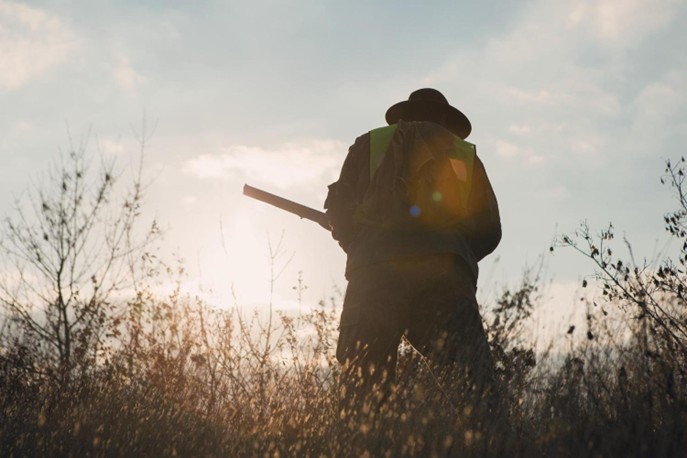
Anyone who spends time in the outdoors knows that success rarely comes down to luck alone. Whether you’re hunting in changing terrain, fishing unfamiliar waters, or navigating unpredictable weather, outcomes are shaped by preparation, awareness, and the ability to make good decisions under pressure. The outdoors rewards those who can read the environment and punishes those who rely on guesswork.
In many ways, this makes outdoor pursuits one of the clearest examples of how structured thinking and disciplined execution lead to consistent results.
The Importance of Reading Conditions
No two days in the field are the same. Weather shifts, animal patterns change, and environmental factors can alter conditions quickly. Experienced outdoorsmen pay close attention to wind direction, temperature changes, water movement, and terrain. These variables influence every decision. Ignoring them leads to missed opportunities, while understanding them creates a clear advantage. This is not about reacting randomly, it’s about recognizing patterns and adjusting accordingly.
Preparation Is the Foundation
Before stepping into the field, preparation sets the stage for everything that follows. This includes choosing the right gear, understanding the terrain, and planning for multiple scenarios. Preparation doesn’t eliminate uncertainty, but it reduces it and creates a framework that supports better decisions when conditions shift. Without that framework, even skilled individuals can struggle to adapt effectively.
Tools Matter, but Only When Used Correctly
Having the right tools is essential, but tools alone don’t guarantee success. A high-quality rifle, reliable fishing equipment, or advanced navigation gear only makes a difference when used with purpose and discipline. Experienced outdoorsmen build systems around their tools, knowing when to use them, how to adjust them, and how to rely on them under pressure.
What separates experienced individuals from beginners is not just the tools they carry, but how they operate within a structured approach. Every decision, when to take a shot, when to move, when to wait, is guided by an understanding of limits, conditions, and probabilities. The tools support the process, but the system defines how those tools are used.
This same principle applies in other environments where outcomes depend on disciplined decision-making under changing conditions. In financial markets, for example, some individuals choose to access crypto prop trading tools on Breakout, where participation is shaped by clearly defined frameworks such as drawdown limits, position sizing rules, and performance targets that determine how capital is managed and scaled over time. Rather than relying on instinct alone, decisions are made within a system designed to control risk and encourage consistency.
In both cases, tools are only as effective as the structure behind them.
Patience and Timing
One of the hardest lessons in the outdoors is patience. Acting too quickly can ruin an opportunity, while waiting too long can cause you to miss it entirely. Timing matters. Experienced hunters and anglers understand when to move and when to stay still, recognizing the right moment to act based on the conditions in front of them. This patience is not passive, it is controlled and deliberate.
Managing Risk in Unpredictable Environments
The outdoors is inherently unpredictable. Conditions can change without warning, and not every situation can be controlled. Risk is always present, but it can be managed. This involves staying within safe limits, avoiding unnecessary exposure, and making decisions based on probability rather than impulse. Those who take unnecessary risks often face consequences, while those who manage risk effectively achieve more consistent results over time.
Adapting Without Losing Structure
Adaptability is essential, but it must be balanced with structure. Changing conditions require adjustments, but abandoning a plan entirely often leads to poor decisions. The most successful outdoorsmen adjust their approach while maintaining a clear framework. This balance allows them to respond to change without losing control.
A Broader Perspective on Outdoor Decision-Making
The principles that guide success in the outdoors are widely recognized. According to the U.S. Fish and Wildlife Service, preparation, awareness, and responsible decision-making are key factors in safe and effective outdoor activity. These principles apply far beyond the field and reflect a broader understanding of how structured thinking improves outcomes in unpredictable environments.
Consistency Over Time
Success in the outdoors is rarely defined by a single moment. It is built over time through repeated decisions, careful observation, and disciplined execution. Consistency is what matters. A single successful trip may feel rewarding, but long-term success comes from understanding the environment and applying that knowledge again and again.
The outdoors teaches valuable lessons about decision-making, risk management, and the importance of structure. It shows that success is not about luck, it is about preparation, awareness, and the ability to act with discipline. Whether navigating terrain, tracking movement, or adapting to changing conditions, the same principles apply: understand the environment, use the right tools, and operate within a system that supports consistent results.
In the end, the difference between success and failure often comes down to one thing, the quality of the decisions you make when it matters most.
Per our affiliate disclosure, we may earn revenue from the products available on this page. To learn more about how we test gear, click here.