




Ask any consistently successful deer hunter what separates a good season from a lean one, and few will point to the shot itself. They will point to the weeks and months before opening day, spent walking the woods, studying sign, and learning how the deer actually use a piece of ground. Scouting is the quiet, unglamorous work that makes everything else possible. It is also, for many hunters, the most rewarding part of the pursuit, a chance to read the land like a story and understand the animals you hunt on their own terms. Whether you are new to the woods or looking to sharpen your approach, learning to scout well is the single best investment you can make in your season.
Why Scouting Matters More Than Anything Else
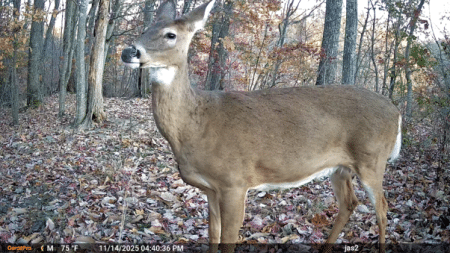
Deer are creatures of pattern and habit, but those patterns are specific to the ground they live on. A property that looks uniformly like good deer habitat to the untrained eye is, to a whitetail, a landscape of distinct zones: places to feed, places to bed, places to drink, and the routes that connect them. The hunter who understands those zones and routes has a decisive advantage over the one who simply picks a promising-looking spot and hopes.
This is why scouting cannot be shortcut. You can own the best equipment available and still go home empty-handed if you are sitting in the wrong place. Conversely, a hunter who truly knows the land, who understands where the deer bed, how they move to feed, and which trails they favor under which conditions, puts himself in the right place at the right time far more often. Scouting turns luck into probability. It replaces guesswork with knowledge, and in doing so it does more to fill a tag than any single piece of gear ever could.
Learning to Read Sign
The language of the woods is written in sign, and learning to read it is the heart of scouting. The most fundamental sign is the track, and a muddy trail or a soft creek bank will tell you not just that deer are present but how many, how large, and which direction they are traveling. Fresh tracks with crisp edges speak to recent movement, while old, weathered ones tell you a trail may have gone cold.
Beyond tracks, droppings indicate how heavily an area is being used and how recently. Trails themselves, the worn paths deer beat into the ground through repeated use, are among the most valuable sign of all, because they reveal the highways deer travel between their core areas. As the season approaches, bucks add their own signature to the landscape in the form of rubs, where they scrape the bark from saplings with their antlers, and scrapes, the pawed-out patches of earth they use to communicate. A concentration of rubs and scrapes marks an area a buck considers his own. Reading all of this sign together, rather than fixating on any single clue, lets you assemble a picture of how deer are living on the land.
Finding Food, Water, and Bedding
If sign tells you that deer are using an area, the three essentials, food, water, and bedding, tell you why. Deer organize their lives around these needs, and locating them is the backbone of any scouting effort. Food sources shift through the season as different plants ripen and fade, so part of scouting is knowing what the deer are eating now and what they will turn to as the weeks pass. An oak flat dropping acorns, an overgrown field edge, or a stand of browse can all become the center of deer activity at the right time.
Water is often overlooked, particularly in wetter regions where it seems abundant, but in drier country or during a dry spell a reliable water source can concentrate deer movement dramatically. Bedding areas, the thick, secure cover where deer spend their daylight hours resting, are the third piece of the puzzle, and often the most jealously protected. Deer feel safe in bedding cover, and pushing into it carelessly is one of the fastest ways to pressure animals off a property. The art of scouting lies in identifying these three zones and, crucially, understanding the routes deer travel between them, because it is along those travel corridors, rather than in the bedding or feeding areas themselves, that a hunter can most often intercept a deer without disturbing it.
Scouting Without Spooking
One of the hardest lessons in scouting is that the act of scouting can undo its own purpose. Deer live by their noses and their memories, and a property walked carelessly, with human scent left everywhere and bedding areas disturbed, can quickly turn cautious and nocturnal. The goal is to learn the land while leaving as little trace of yourself as possible.
Several habits help. Scouting during the off-season and well before opening day gives deer time to settle before you hunt them. Staying out of bedding areas, and reading the edges of them rather than plowing through, preserves the sense of security that keeps deer on the property in daylight. Trail cameras have become a valuable tool, allowing a hunter to monitor movement over time without being physically present, though even cameras must be placed and checked with care to avoid leaving scent and disturbance. Many hunters also use this preseason period to inspect their equipment, confirm rifle zero, and make sure they have cheap 5.56 ammo available for practice before the season begins. The most effective scouts move like they hunt: slowly, quietly, and with attention to the wind. The land will teach you a great deal if you let it, but only if you do not announce yourself in the process.
Scouting as Part of the Tradition
Scouting is also where the deeper values of hunting take root, because the hunter who spends weeks learning the land inevitably comes to understand and care for it. Hunting in North America is woven into a broader framework of conservation and responsibility. The U.S. Fish and Wildlife Service, in its resources on hunting and wildlife management, describes hunting as both a wildlife management tool and an outdoor tradition, one that, practiced within seasons and limits, helps keep wildlife populations healthy and sustainable for the future. The scout who reads the land carefully is participating in that tradition at its most fundamental level.
That understanding brings responsibilities. Knowing the land means respecting it, following the regulations and seasons that keep populations healthy, securing permission and access properly, and pursuing game ethically and within the law. Good scouting and good stewardship go hand in hand, because the same close attention that helps a hunter succeed also fosters a genuine investment in the health of the habitat and the animals that depend on it.
The Reward of Knowing the Ground
In the end, scouting is about a relationship with a piece of land and the deer that live on it. The hunter who does this work well arrives on opening day not hoping to stumble into an opportunity but expecting one, because he understands where the deer will be and why. That confidence is earned in the weeks and months beforehand, one walked ridge and read track at a time.
There is a deep satisfaction in this knowledge that goes beyond the tag itself. To read the land, to understand how the deer move through it, and to place yourself thoughtfully within that pattern is to hunt in the fullest sense of the word. The season may open on a single day, but for those willing to do the work, it truly begins long before, out in the quiet woods, learning to read the land.
Per our affiliate disclosure, we may earn revenue from the products available on this page. To learn more about how we test gear, click here.