


Author: Ryan Fair

Ryan Fair
Ryan Fair is an outdoor writer with a passion for whitetail deer hunting, turkey hunting, and time spent on the water chasing fish. His work focuses on practical, real-world strategies that everyday hunters and anglers can apply in the field, whether that means fine-tuning gear, reading deer sign, or finding the next bite. Drawing from years of hands-on experience, Ryan brings an honest, no-nonsense perspective to hunting, fishing, gear, and land access. He is also the owner of Pine Hollow Media, where he produces outdoor writing, photography, and media content centered around hunting, fishing, and time spent outdoors. His writing emphasizes preparation, confidence, and respect for both the game and the land. When he’s not writing, he’s spending time with his wife and two daughters, chasing longbeards in the spring, fishing local water, or scouting for fall whitetails.

What is the best bait for winter bass fishing? If you are any kind of bass-fishing aficionado, the itch to catch the first bass of the year grows the longer winter drags on. It’s an itch that only has one cure: Catching bass. The only problem is, you must wait for the ice to thaw or head south. Once the ice is thawed, it’s go-time. I check lakes nearest to me as I flip the calendar to March, knowing that now, it won’t be long. As soon as I have open water, I’m casting. Cold-water bass fishing is not like…

For this article, I have compiled a list of things I found I needed goose hunting for beginners, waterfowl hunters, and offer a few tactics to get you started. Like anything you are passionate about, the sky’s the limit (no pun intended) when it comes to gear. When I was approached a few years ago to take care of some nuisance geese, I was hesitant to take on the job. The main reason: I knew nothing about goose hunting. I scoured the internet to find as much on the topic as I could, then I agreed to take care of…
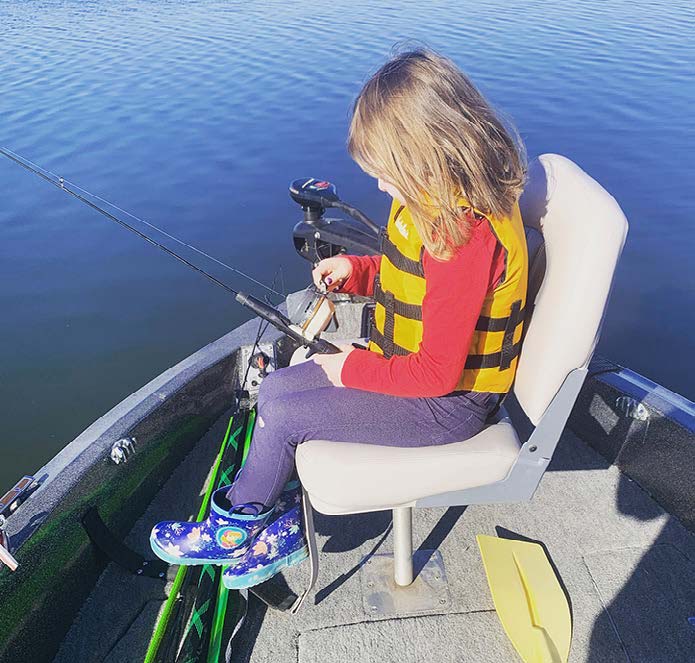
There’s a lot more to finding great fishing rods and reels than just going to the local Walmart and picking out and buying one. Just go to any true fishing tackle shop or fishing tournament and ask someone. As rods go, there are several different styles. Some are for general fishing, like a 6-foot 2-piece rod. Some are made for specific types of fishing. The same situation goes for reels. There are several different kinds, all are made for specific purposes. Some are for general fishing. Some are meant for getting a bait back to the boat as fast as…
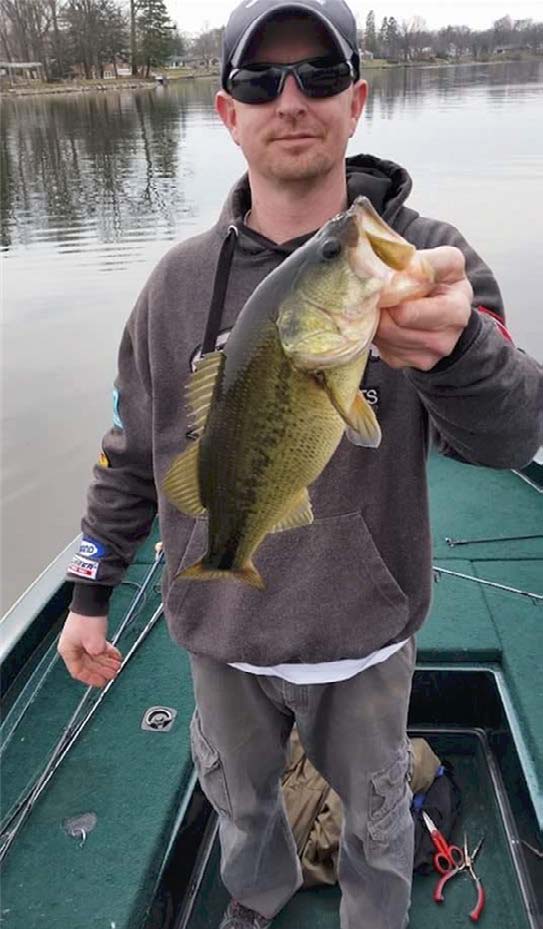
When I think of spring, I think of spawning bass. As the temperature rises, so do the bass. They head out of their deep wintering holes to move into their natural spawning areas. The key trigger for the spawn is the water temperature. In my area, I start to keep an eye on this aspect of fishing toward the end of March. The spawn may be the best time of year to catch your personal best bass to date. To be able to do this successfully, you need to understand the spawn and its three stages. Here, I will break…
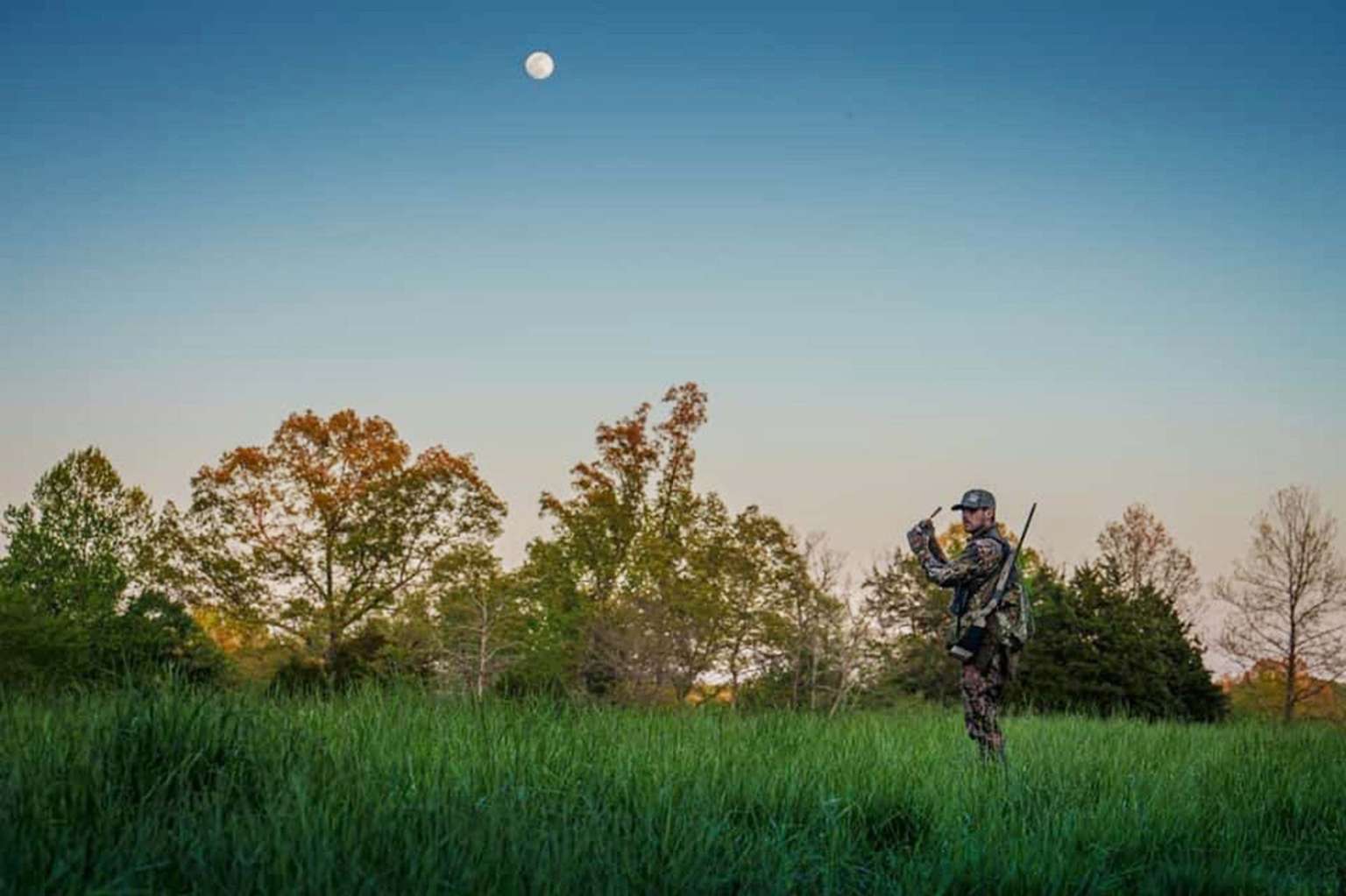
It’s the night before spring turkey season opens. The sun is just setting, and you’re sitting on the ridge of a field. You hit your owl call with a “who, who, whoooo.” You wait and listen. There it is—the gobbler you were hoping to hear! You hit the call again, hoping to pinpoint his location, and you glass the trees along a creek. There he is, roosted in a big oak tree. Now you’ve got him roosted for the night, and hopefully you’ll have a game plan for the morning. Here are a few things I like to do before…
