




Effective scouting is not about spending more time walking through the woods. It is about gathering the right information while making as little impact on the area as possible.
Every hunter knows that understanding a property takes time. Deer movement changes with the season, weather, food sources, hunting pressure, and countless other factors. A single scouting trip or one observation from a stand only shows a small part of the overall picture.
The challenge is that learning more about wildlife often requires spending more time in the field, while too much human activity can influence the very patterns hunters are trying to understand. Finding the right balance between observation and disturbance is where modern trail cameras have become an important tool.
Trail camera scouting allows hunters to monitor wildlife activity over longer periods without being present every day. These cameras do not replace woodsmanship or experience, but they provide additional information that can help hunters make more informed decisions while respecting the environment they hunt.
Why Traditional Scouting Has Limitations
A hunter standing in the woods can learn a great deal by reading tracks, trails, rubs, scrapes, bedding areas, and food sources. These signs remain essential. However, traditional scouting also has practical limits.
No person can observe a property continuously. Deer may move primarily after dark, during the first and last minutes of legal shooting light, or in response to changing weather conditions. A short scouting trip offers only a snapshot of activity, and that snapshot may not represent the normal pattern.
Animal movement also changes throughout the year. A trail that is heavily used during early fall may become less important after crops are harvested or seasonal food sources change. Rut activity, hunting pressure, temperature, wind, and water availability can all affect where and when deer travel.
Frequent visits may add another variable. Walking through cover can leave scent and disturb bedding areas. Vehicles, noise, and repeated access along the same route may also influence how wildlife uses the property. Again, the effect is not always dramatic, but it can make deer movement patterns more difficult to interpret.
Trail cameras address this limitation by observing an area when the hunter is not present. Over several weeks or months, they can provide a broader record of what is happening than occasional visual checks alone.
How Trail Cameras Improve Hunting Scouting
Understanding Animal Movement Patterns
The most valuable role of a trail camera is helping hunters understand timing and consistency. A single photograph of a buck is interesting, but a series of images can reveal a pattern.
Images may show when deer begin using a trail, how often they pass through, and whether activity occurs during daylight or mainly at night. Comparing photographs over time can also help hunters see how movement changes with the season. For example, deer may shift from open feeding areas to thicker cover as hunting pressure increases, or they may alter their route when a nearby food source becomes less attractive.
This information supports more disciplined hunting preparation. Instead of judging a location by the number of total photographs, hunters can ask more useful questions:
– Are animals appearing during legal hunting hours?
– Is the same trail being used consistently?
– Does movement increase under certain weather conditions?
– Are deer entering from a bedding area or traveling between food and cover?
– Has activity changed since hunting pressure began?
Trail camera scouting is most effective when it confirms or challenges what a hunter has already learned from the land. The camera supplies observations; the hunter still has to interpret them.
Reducing Unnecessary Visits to Hunting Areas
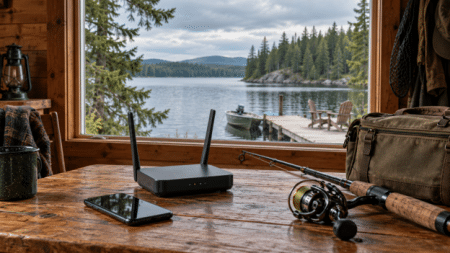
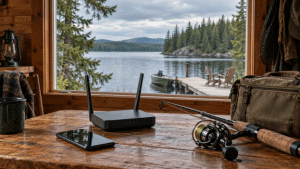
A wireless trail camera can transmit images without requiring the hunter to walk in and retrieve a memory card. For hunters managing properties where cameras are located within range of a central location, long-range wireless systems such as GardePro Link 1.0 provide an alternative to traditional cellular setups. By connecting multiple cameras through a long-range wireless network and using an existing home internet connection, these systems allow hunters to access camera images remotely without recurring cellular subscription fees. This makes them especially useful for private properties, farms, or hunting areas where a nearby cabin or home network is available.
Fewer visits can mean less human scent on access routes, fewer disturbed plants, and less chance of walking through bedding or feeding areas. It also allows hunters to leave certain locations alone until there is a clear reason to visit.
Capturing Information When Hunters Cannot Observe
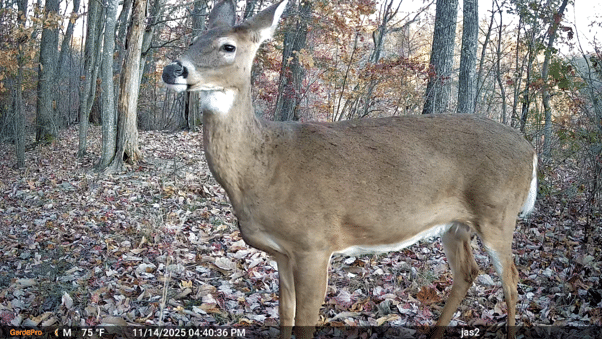
Much of wildlife activity occurs outside the times when hunters are in the field. Nighttime photographs can show where deer travel after dark, while early-morning images may reveal routes that are difficult to observe from a stand. Cameras can also document changes in behavior after weather events, agricultural activity, or increased hunting pressure.
This additional information helps separate heavily used areas from areas that simply appear productive because of one or two observations. It can also prevent poor decisions. A trail may produce dozens of nighttime photographs but very little daylight activity. That does not make it useless, but it may make it a poor choice for a morning or evening sit.
The key is to treat camera data as evidence rather than a prediction. A photograph shows what happened under specific conditions. It does not guarantee that an animal will repeat the same behavior when a hunter is present.
Trail Camera Features That Support Low-Impact Scouting
Certain features are valuable not because they make a camera more impressive, but because they help hunters collect information with less disturbance and less time in the field.
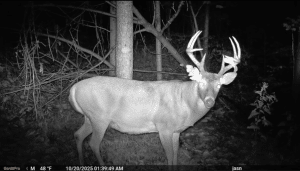
No-Glow Infrared Night Vision
Visible flash can draw attention from both wildlife and people. A no glow trail camera uses infrared illumination that is difficult for animals to see, making it a practical choice for nighttime wildlife monitoring.
No-glow infrared does not make a camera completely undetectable. Animals may still notice the housing, a changed object, or human scent around the installation site. Proper placement and limited visits remain important. The feature simply reduces one possible source of visual disturbance and avoids the bright flash associated with older camera designs.
Remote Access and Live View
Remote access can be especially helpful when cameras are placed on distant or difficult-to-reach properties. A cellular trail camera can send photographs and, depending on the model, provide live view or other status information without requiring a physical inspection.
For hunters managing remote properties without nearby internet access, cellular trail cameras provide a different approach. Instead of relying on a local network, these cameras use cellular connectivity to send images and allow remote access from locations far away from the hunting area.
Models such as GardePro X66 Pro are designed for hunters who need reliable remote access in areas where regular camera checks are difficult. Features such as live view allow hunters to check activity remotely without making unnecessary trips to the camera site. A built-in rechargeable lithium battery reduces the need for frequent battery changes compared with traditional replaceable batteries, making long-term deployment more convenient, especially when paired with a solar panel during the hunting season. GPS tracking also helps hunters keep track of camera locations when deploying multiple units across larger properties or hard-to-access areas.
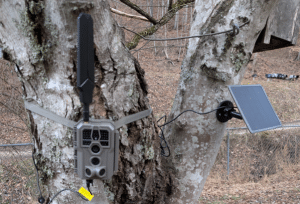
Image Quality and AI-Assisted Organization
Clear images make it easier to evaluate antler development, body size, age-class differences, and the direction of travel. Good image quality also helps hunters review a large amount of footage without relying on a few uncertain photographs.
AI-assisted recognition, such as GardePro AI recognition technology, can help organize and filter captured footage more efficiently. This may save time when a camera records large numbers of empty frames, small animals, or vegetation movement. However, AI should be treated as a sorting aid, not an unquestionable source of identification. Hunters should still review important images themselves and consider the limitations of lighting, angle, distance, and image quality.
Using Trail Cameras Responsibly
Low-impact scouting depends as much on behavior as on equipment. Hunters should avoid checking cameras more often than necessary, particularly during periods when deer are using nearby bedding areas or when access requires crossing active travel routes.
Plan installations carefully. Approach with favorable wind conditions, use existing roads or paths when possible, and avoid placing cameras directly in bedding cover. Cameras should be positioned to observe movement without blocking a trail or forcing animals to pass unusually close to the device.
Local regulations also matter. Rules may limit camera use on public land, restrict cellular transmission during hunting seasons, or address placement near bait, feeding sites, or water sources. Regulations can change, so hunters should confirm current requirements before deploying equipment.
Most importantly, trail cameras should remain part of a broader scouting process. Reading sign, understanding wind, studying habitat, and learning access routes are skills that technology cannot replace. A camera may show where deer were yesterday, but woodsmanship helps a hunter decide why they were there and how conditions might change.
A More Informed Approach to Scouting
Trail cameras have changed the way many hunters approach scouting by providing a clearer picture of wildlife activity over time. They help reveal movement patterns, reduce unnecessary trips into the field, and give hunters more information before making decisions.
However, a camera is only one part of the scouting process. Understanding wind, habitat, access routes, and animal behavior remains essential. The most effective hunters use technology as a tool to support their experience, not replace it.
Whether using a wireless trail camera for a private property, a cellular trail camera for a remote location, or a no-glow trail camera for discreet nighttime monitoring, the goal remains the same: collect better information while allowing wildlife to move naturally.
Modern trail camera systems show how technology can support a more efficient and responsible approach to scouting—one that combines field knowledge with better data.
Per our affiliate disclosure, we may earn revenue from the products available on this page. To learn more about how we test gear, click here.