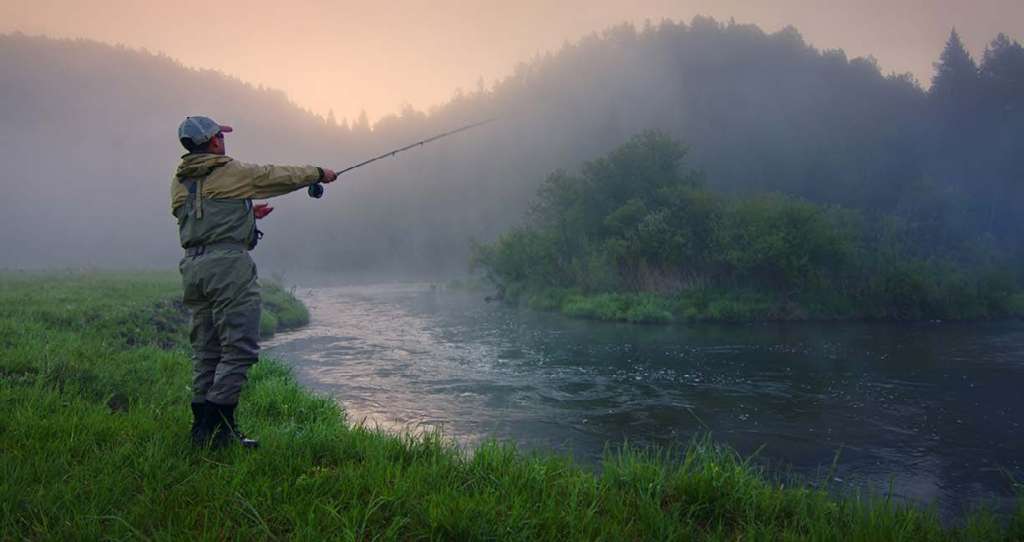




To be successful when targeting walleye during the open-water season, I use a number of different techniques and approaches to entice the fish to bite throughout the entire season.
At the beginning of the season, my motto is to sit still. As we get into the middle of the season, my motto is to move along. Near the end of the season when the walleye start to clump together, my motto is to get aggressive.
When fishing in a boat, you have the advantage of being able to easily change your depth, speed and location to increase your chances of catching fish. No matter the time of year you’re when fishing, always remember not to be afraid to try something different if what you’re currently using isn’t working.
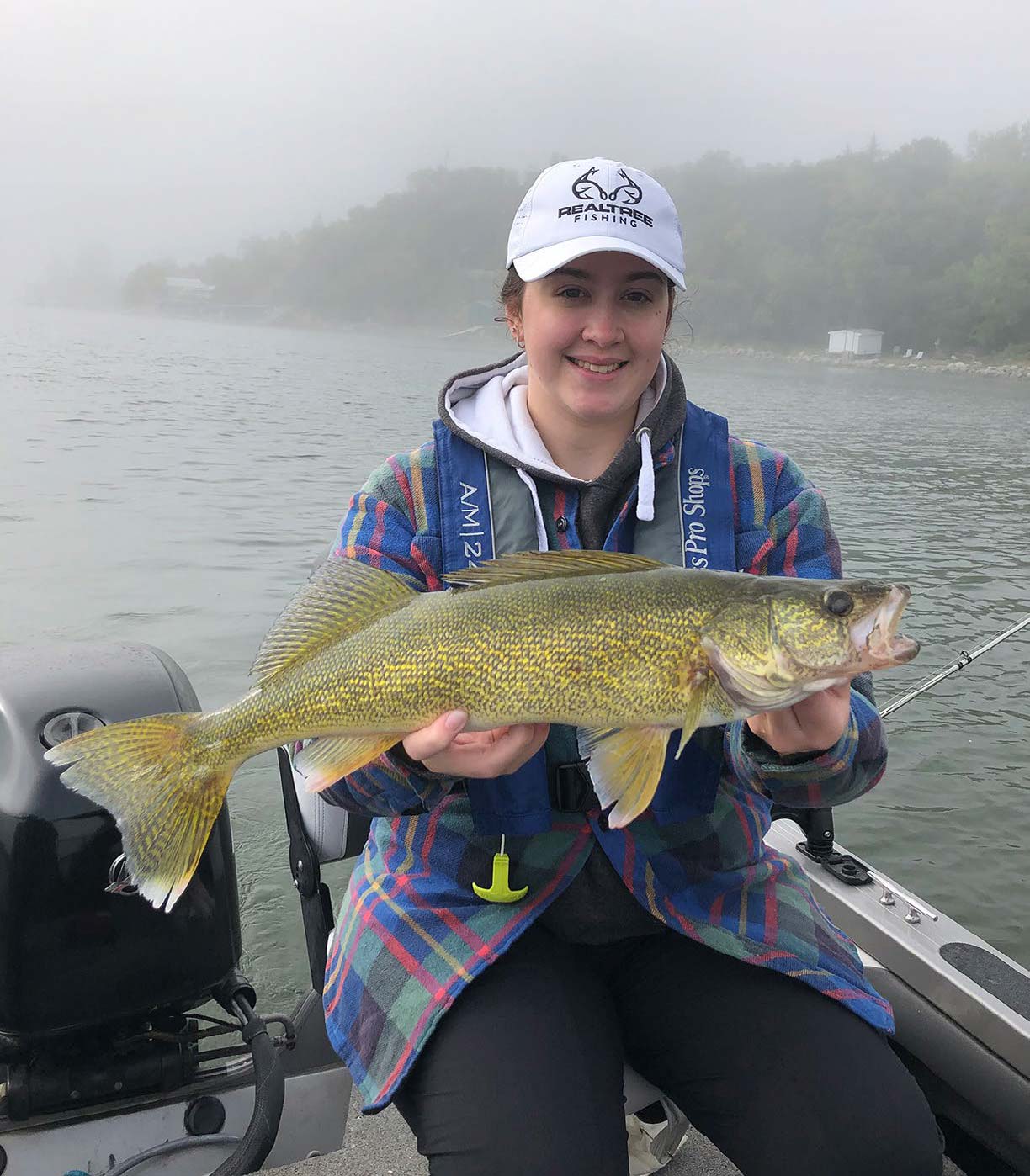
If the fish aren’t biting, try moving to another spot. Always have a number of different hook presentations on hand when targeting walleye. (Think of it this way: You and I don’t like eating the same thing every day, and neither do the fish.) Be willing to try out different combinations in the size, color or shape of your hook and bait. To increase your chances of having a successful fishing trip, try fishing in the early morning, when the sunrises, and then in the evening, when the sunsets. (This is when you are most likely to find walleye in shallower areas feeding on small minnows and crayfish.) Not only is the water usually calmer at these times, providing for a more enjoyable fishing trip, but the fish are also hungrier and more willing to bite.
To help me find fish when I’m out, I like to use a HumminBird Helix 7 as a guide to save the waypoints where I’ve been successful in the past. I use the sonar to see if there are any fish in the area and as a temperature gauge and depthfinder.
In Southern Saskatchewan, where I do the majority of my fishing, the water is quite cold at the beginning of the season, since the ice recently melted. This year in Southern Saskatchewan, many lakes were still frozen in the middle of April, and the season opened May 5. With this in mind, I usually find walleye at the bottom of the lake in the shallows, where the water is warmest. I find the best success at the beginning of the season by sitting still and fishing with small lures and baits, using slow retrieves and minimal action. Early spring is also when the walleye are in post-spawn mode, making them more likely to bite since they will be tired, hungry and in search of food.
Vertical Jigging
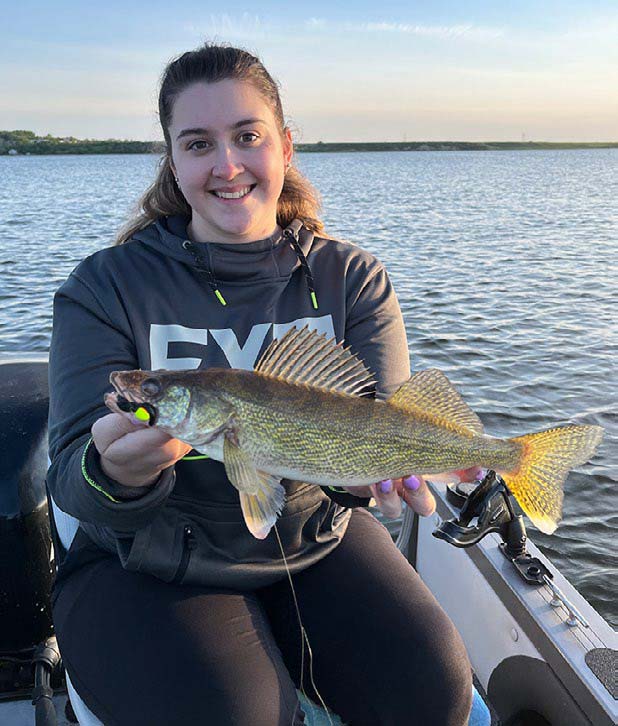
One approach I use in the early season is vertical jigging. When doing this, I like to take a smaller jig with a small leech, minnow or worm attached and drop it to the bottom of the lake. I will make small jigging movements periodically, hoping that I’m able to entice the walleye to come off the bottom and bite.
If I haven’t caught anything after a while, I’ll try different jigging movements, a different color jig or change my fishing depth. If this still isn’t working, I will either move to a new location or try a different approach. When vertical jigging, it is important to keep your line tight to ensure you can feel any bites. After setting the hook, ensure that you continue to keep the line tight and keep your walleye rod tip up so the fish doesn’t get away.
Slip Bobbers
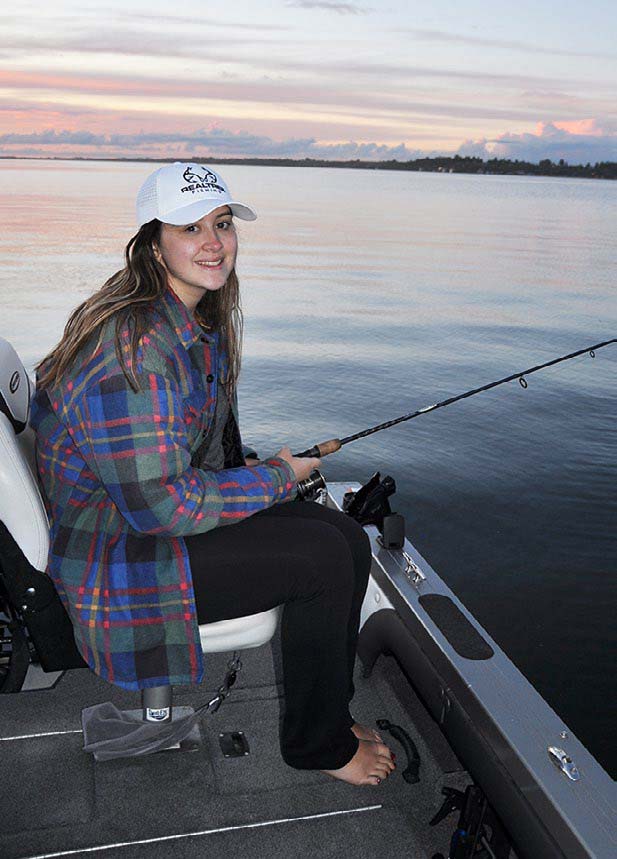
Another approach I use in the early season is slip bobbers. Not only can this approach be used from a boat, but it is also successful when fishing from shore. When using a slip bobber, I like to place a plain hook or small jig with some bait at the end of my line. I add a small weight to help drop my bait to the bottom of the lake. I use a stopper to allow just enough line to go out for my bobber to be able to float completely upright. That leaves my hook sitting just above the bottom of the lake.
Bobber fishing is very much a waiting game. Once the bobber goes under the water, you know a fish has grabbed your bait, so slowly start to reel in slack line, and when you feel the weight of the fish, set the hook. Unlike vertical jigging, it is okay if there is some slack in your line. Once the bobber disappears under the water and you start to reel in, you’ll feel the weight of the fish. You’ll then be able to set the hook while keeping your rod tip up to keep the line tight. Then you can reel in your fish.
I find that this is a great approach to use when introducing young kids to fishing. Not only is it fairly simple to set up, it gives kids a visual to watch for and helps keep them entertained until the fish start to bite. Using a bobber works best on calm days in shallow water. When it is too windy, or bobbers don’t seem to be doing the trick, I will try something else.
Pickerel Rig
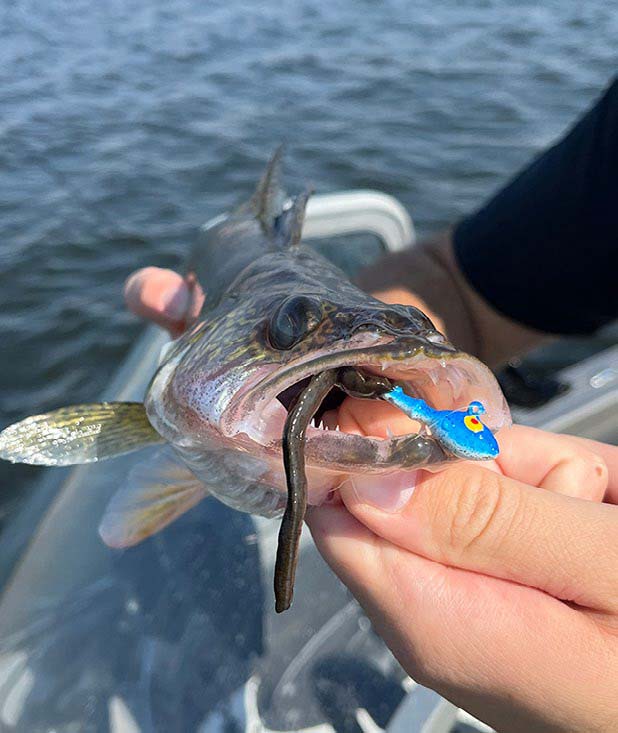
In the early season, I will also use a pickerel rig to fish for walleye. This is a great option when the walleye are sitting with their noses at the bottom of the lake. You can use a pickerel rig from your boat or more traditionally from the shore. It’s a great rig to have in your tackle box.
Using a pickerel rig differs from the above two approaches because it requires some movement. Start by baiting the hooks on the pickerel rig, then casting out into the lake. Slowly start reeling in. The pickerel rig will move along and stir sediment from the lake bottom, which attracts the fish and triggers them to bite your hook. This approach is great in the early season because it is highly sensitive to light-biting walleye. It will attract them to come off the bottom of the lake to bite your hook.

Dragging Jigs
As we enter the middle of open-water season, the water starts to warm up. This will cause walleye to become more adventurous and more willing to come off the bottom of the lake.
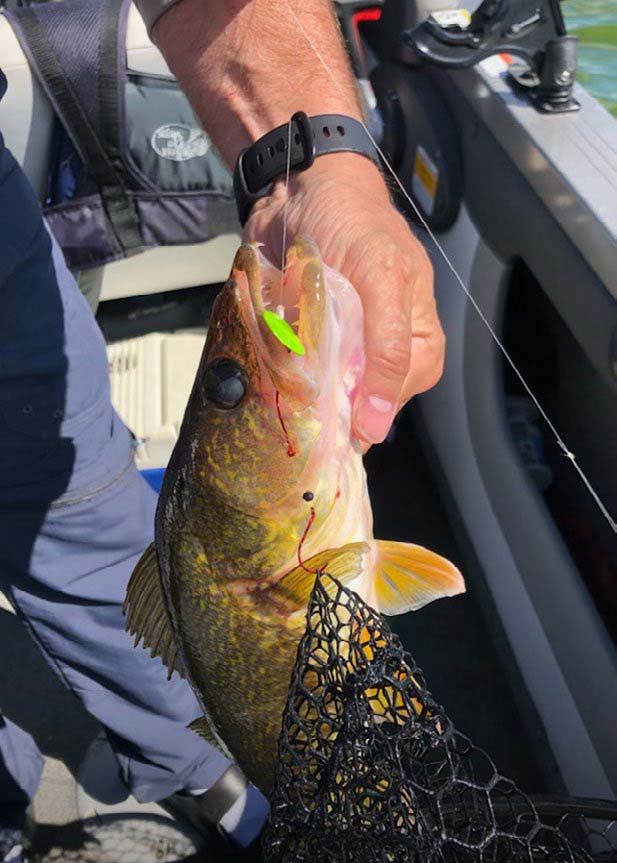
When the water starts warming up, I like to continue vertical jigging, but I also like to start dragging jigs along the bottom of the lake. When dragging jigs, I like to use a bigger jig so it stays at the bottom while trolling along. Similar to vertical jigging, I like to use leeches, minnows or worms as bait on my hook with this method. It is extremely important that you keep your line tight to ensure you feel any bites. As I am dragging the jig across the bottom of the lake, I periodically like to make a small jigging motion to provide some additional movement to catch the fish’s eye while trolling past. Again, when you get a bite, ensure you set the hook and keep your rod tip up while reeling in your catch. When you are trolling, try to keep a constant depth and speed. This will decrease the chance of getting tangled or snagged.
Bottom Bouncing
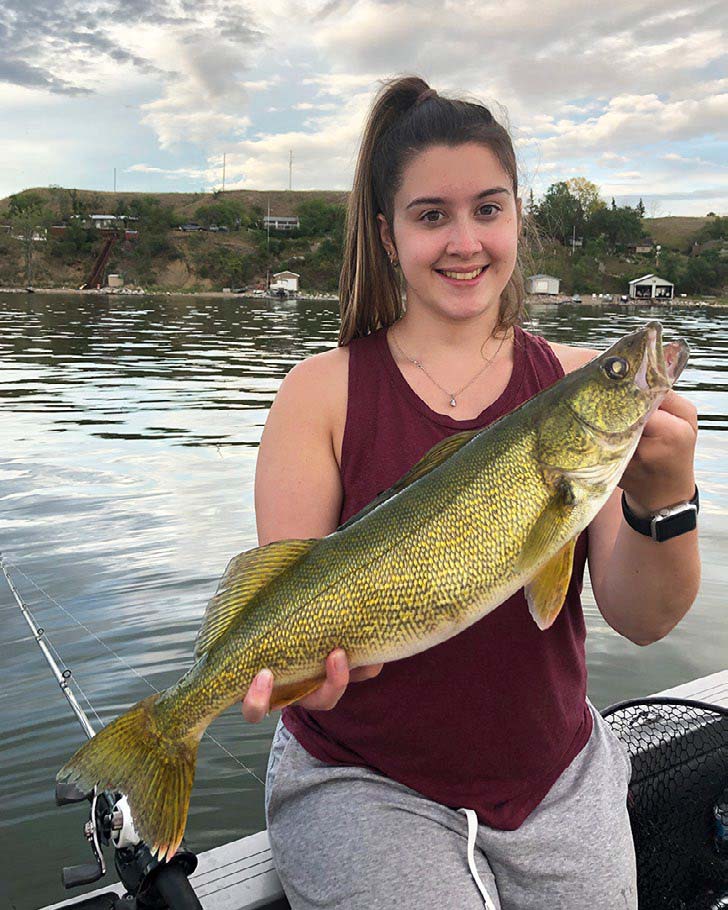
Another approach I like to take is bottom bouncing with blades and a leech, minnow or worm. This is one of my favorite ways to fish for walleye. When bottom bouncing, drop your line to the bottom of the lake, and once it hits bottom, stop letting line out. Keep your line as tight and as still as possible as you troll along. You will feel the bottom bouncer bump along the bottom of the lake, raising the spinner rig up and down while spinning in a circular motion. This will hopefully entice the fish to bite while you’re trolling along the bottom of the lake. When blading with a bottom bouncer, I like to use spinner rigs with two treble octopus hooks and then a striker bead, followed by either a float or more beads and then a blade.
Another option when bottom bouncing is using a slow death hook. This presentation works best in middle to late summer on days when the walleye don’t want to hit spinner rigs.
Using slow death when bottom bouncing is similar to blading, but the presentation is slightly different. When using a slow death hook, it is best to troll a bit slower in the 0.5 to 0.8 mile-per-hour range. With slow death the hook will move slower throughout the water in a circular motion. You can just use a slow-death hook on its own or choose to attach some beads and a blade above the hook, similar as to blading. When using slow death, I like to use worms as my bait. I’ll only use half the worm to increase my hook sets.
One of my favorite things about bottom bouncing is that there are a number of different presentation combinations that can be tried. Because of this, my dad and I like making our own spinner blade rigs. We are able to customize the bead and blade color combinations and sizes. We always have an assortment of bead and blade combinations in the boa so we can quickly change our presentation. This is a great way to get kids involved in fishing because making spinner rigs is almost like a craft. Kids can then use the spinner rig they made to fish.
I like to start bottom bouncing when the walleye start to get a bit more adventurous and are roaming to look for food. This is typically in the early to mid-summer period. It’s when the fish are spread out and haven’t started bunching up into large schools in preparation for the fall.
Ripping
As the end of the open-water season approaches, the water starts to cool off and the fish start to clump up. As this happens, the fish get more aggressive, which means you can use a more aggressive presentation.
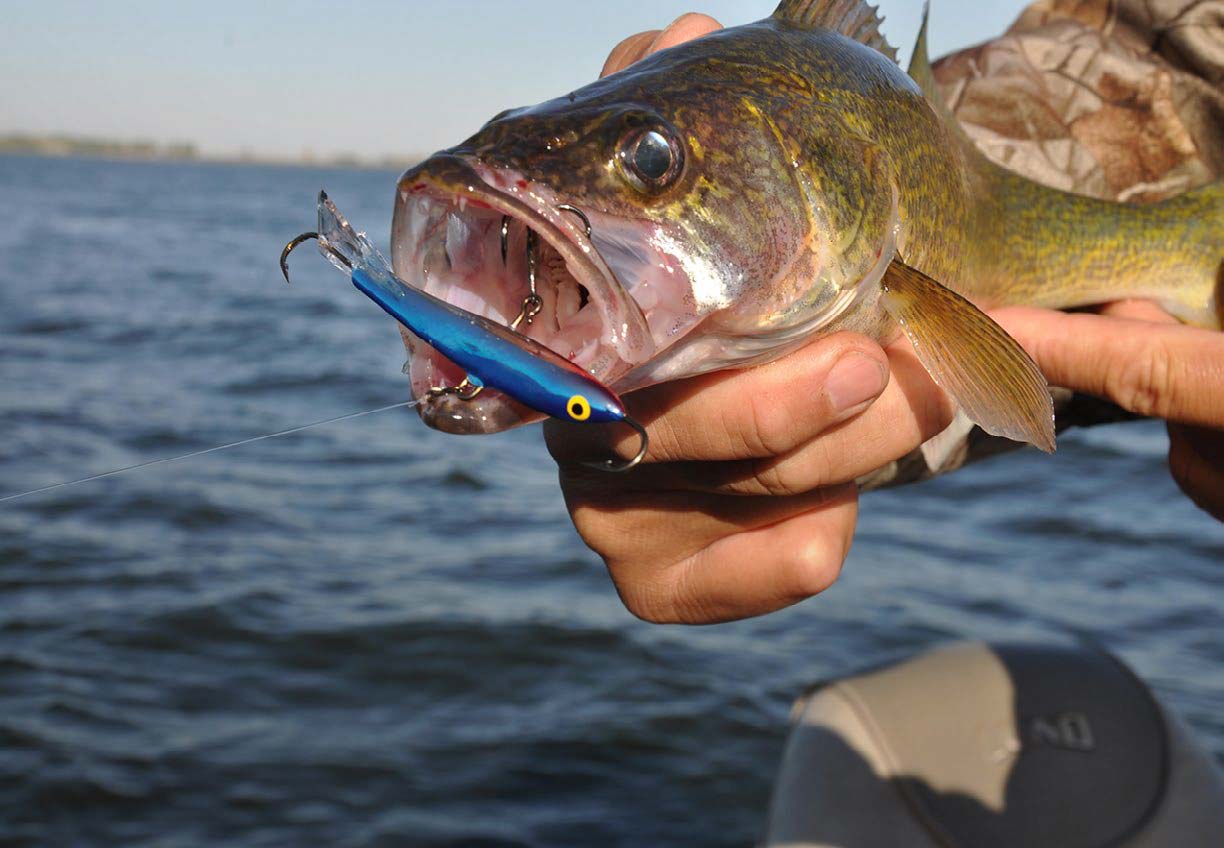
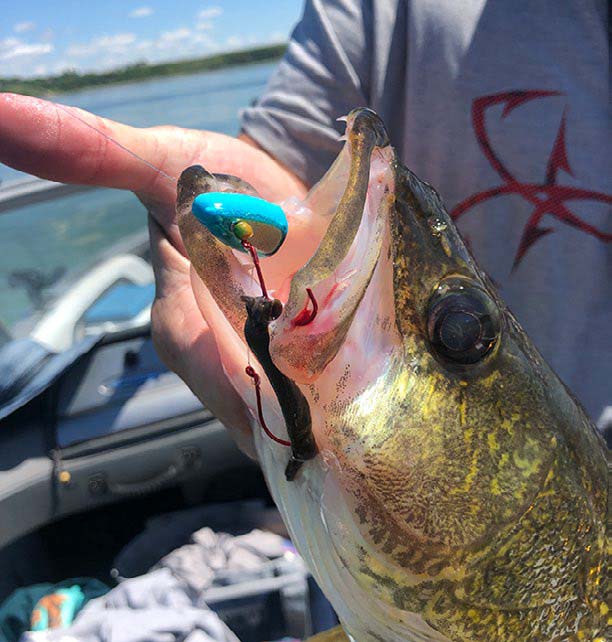
Vertical jigging, pickerel rigs, dragging jigs and blading should continue to work into the late season. However, when this starts to happen, I like to start ripping. When ripping, I like using a Rapala Jigging Rap or a PK Lures Ridgeline Crankbait. These are versatile hooks that can be used for ripping in the open-water season. They can also be used while ice-fishing, so they make great hooks for any tackle box. I like to use my Helix 7 to find a school of fish to sit over the top of, and then I’ll start ripping.
Ripping is similar to vertical jigging in that the boat is anchored in one position and you must try to keep your line tight. However, ripping differs from vertical jigging in that you want to make big, sharp lifting movements to make your lure dart upwards, then pause in between rips. The walleye will aggressively hit the bait, so be sure you are ready to set the hook before you start to reel. Remember to keep your rod tip up.
Open-water season can be successful when you have a number of different techniques and approaches to try tucked away in your tackle box. Always remember that what the fish liked yesterday may not be what the fish like today. Be willing to try different spots, depths, colors, speeds and approaches.
When targeting walleye, do not be surprised if you catch other species, such as perch or northern pike, since they live in the same environment and follow a similar pattern. Even though I go fishing to catch fish, it is important to remember that this isn’t only about catching fish; it’s also about making memories with your family and friends while fishing.
Per our affiliate disclosure, we may earn revenue from the products available on this page. To learn more about how we test gear, click here.