





There is something quietly ironic about spending three days off-grid in a wilderness area — and still handing your data to strangers every time you stop for gas or coffee along the way. Most hunters, backcountry hikers, and remote anglers obsess over gear lists. Boots. Layering systems. First aid kits. Very few think about what happens to their digital footprint before, during, and after a wilderness trip. That gap is getting more expensive to ignore.
Why Backcountry Digital Security Is Now a Real Conversation
Outdoor recreation is digital in ways it simply wasn’t a decade ago. Hunters file digital tags. Hikers log routes on apps. Fishing guides take bookings through platforms that store client location data. According to a 2025 report, more than 60% of outdoor participants now use a smartphone as their primary navigation device in the field. That number keeps climbing.
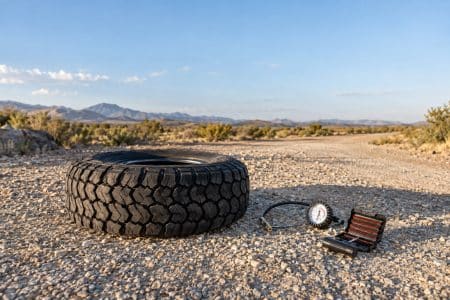
The surface area for exposure is wide. Public trail registers, campground Wi-Fi networks, digital permit systems — each one represents a potential point of data leakage. Backcountry digital security isn’t paranoia. It’s the same mindset that makes you check your tire pressure before a long drive into the backcountry.
Protecting Your Identity on Public Trail Wi-Fi — And Before You Even Leave Home
Trailhead parking areas, visitor centers, and rural fuel stops often offer free Wi-Fi. Convenient. Also a well-documented attack surface. Unsecured networks can expose login credentials, permit numbers, and even cached map data to anyone running a basic packet sniffer nearby.
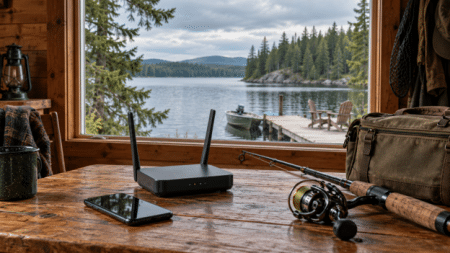
A VPN — a Virtual Private Network — encrypts your outgoing traffic before it leaves your device, making your session essentially unreadable on public networks. It also masks your IP address, which matters more than most people realize when you’re researching remote zones, logging into licensing portals, or booking guides online. VeePN handles this cleanly. You can download VeePN for PC in minutes and have a protected connection running before your first pre-season scouting session. It covers the kind of routine but risky behavior most outdoorsmen don’t think twice about.
Encrypting Offline Navigation Maps and Remote Coordinate Backups
Here’s something worth sitting with: your saved waypoints are a map of everywhere you’ve been and everywhere you plan to go. Trophy zones. Private access gates. Remote spike camps. That data has real value — both to competitors and to bad actors who target high-value gear from known trailheads.
Most mainstream mapping apps do not encrypt locally stored data by default. If your phone is lost, stolen, or even briefly accessed, your entire season’s worth of scouting is exposed. The fix is layered. First, use a mapping app that supports local encryption (Gaia GPS and CalTopo both offer account-level security controls). Second, back up your coordinate files to an encrypted cloud vault — not just to standard iCloud or Google Drive with default settings. Third, enable full-device encryption on your phone if you haven’t already. Android and iOS both support this natively. Turn it on. It takes two minutes.
Hardening Your Wilderness Tech Setup Against Tracking Intrusion
Modern hunting GPS units, trail cameras, and satellite messengers all have something in common: they broadcast. Sometimes intentionally, sometimes not. Trail camera systems with cellular connectivity are now standard on many properties — and those systems transmit on carrier networks that can be intercepted or spoofed if not properly configured.
Insulating tracking devices from intrusion starts with firmware. Manufacturers push security patches that most users ignore. Update your devices at the start of every season, not just when something breaks. For cellular trail cameras, use a dedicated SIM that isn’t linked to your primary identity if possible. Several carriers offer prepaid options specifically for IoT devices. Anonymizing off-grid location data this way significantly reduces the value of any data an attacker could pull from your system.
Securing Satellite Communication Links in the Field
Satellite messengers — devices like those running on the Iridium or Globalstar networks — are increasingly common in serious backcountry kits. They are also frequently misconfigured. The default sharing settings on many consumer satellite communicators broadcast your location to a public tracking page unless you manually disable it. That means your real-time position is visible to anyone who knows your username.
Secure satellite communication links require two steps most users skip. First, audit your sharing settings in the companion app before you head out — set visibility to private or contacts-only. Second, review what data the device manufacturer stores server-side and whether you have the option to delete it. Some platforms retain location histories indefinitely. That’s a lot of off-grid location data sitting on a server you don’t control.
Managing Emergency Response Credentials Without Exposing Them
Search and rescue operations increasingly rely on digital data submitted in advance – emergency contact forms, trip plans, permit numbers, satellite messenger registration codes. That information is genuinely useful in an emergency. It is also sensitive, and it deserves the same care as any other personal credential.
Store your emergency response credentials in a proper password manager, not in a notes app or a text thread. Apps like Bitwarden (open-source, zero-knowledge architecture) let you generate strong unique credentials for every outdoor platform and access them from a single encrypted vault. If your primary device is damaged in the field, a password manager with cloud sync means you or your emergency contact can still retrieve the relevant account access. For users who want browser-level protection layered on top of all of this, the VeePN Chrome extension adds encrypted browsing directly in Chrome. This is useful when logging into permit systems or licensing portals from a shared or unfamiliar machine.
Before the Season Starts: A Practical Checklist
A lot of this comes down to spending thirty minutes at the start of each season doing things you only have to do once. Update firmware on all field devices. Enable full-device encryption. Audit satellite messenger sharing settings. Back up coordinates to an encrypted vault. Install a VPN on your primary devices and make it a habit to run it on any public network. Set your trail camera accounts to private.
None of this is complicated. The tools exist, most of them are low-cost or free, and the threat isn’t hypothetical — data breaches at outdoor licensing agencies have already exposed hunter and angler records in multiple U.S. states. Your scouting data, your location history, your identity on the trail — these are worth protecting with the same seriousness you bring to the rest of your kit.
Per our affiliate disclosure, we may earn revenue from the products available on this page. To learn more about how we test gear, click here.