



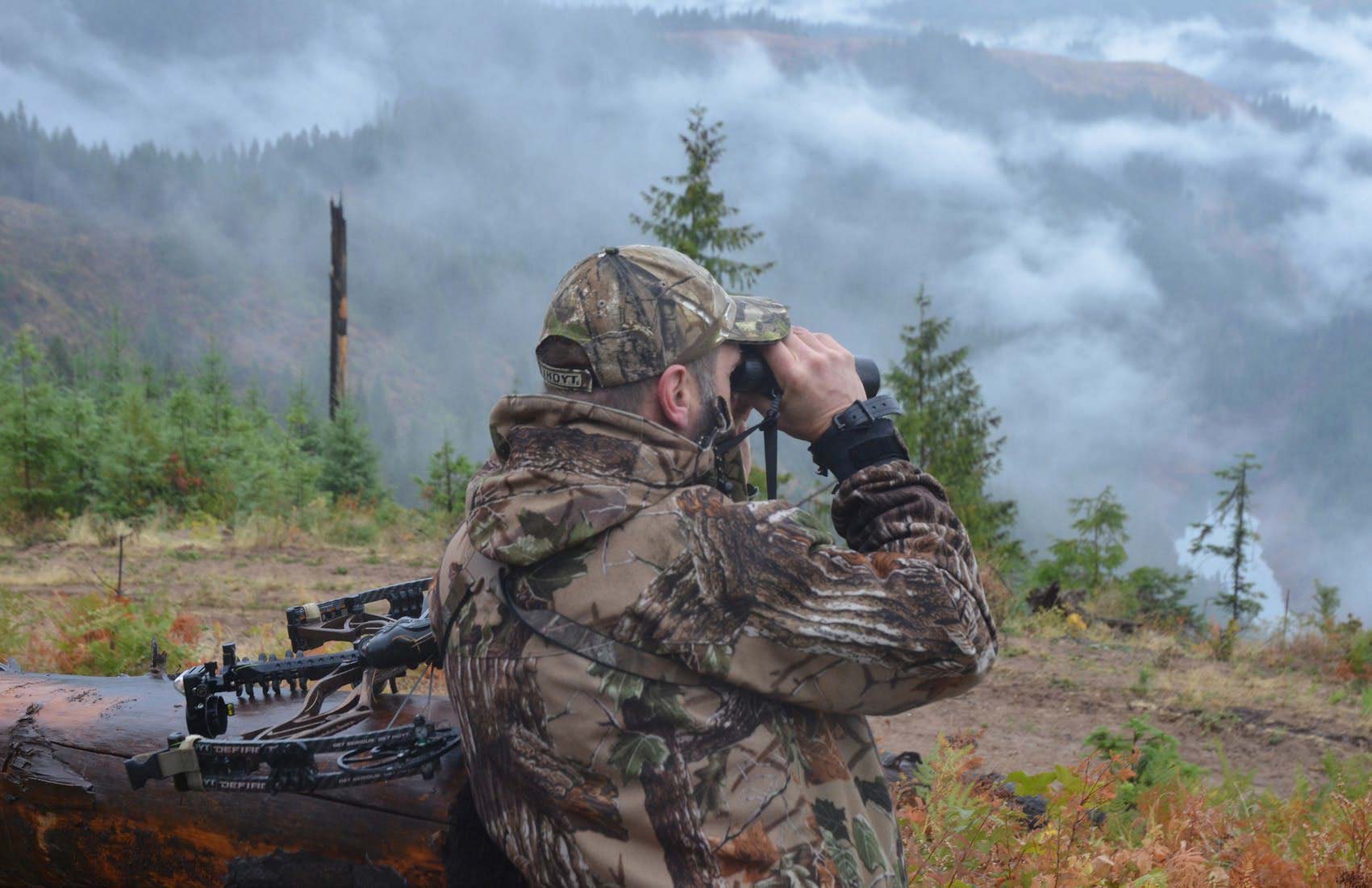
In elk hunting there is preconceived fantasy, and there is reality. Elk hunting is filled with hard realities. Prepare to meet those demands and fill tags
Everyone wants to kill an elk these days. Youngsters thousands of miles outside of elk habitat dream of someday hunting them. Intrepid hunters from “Back East” annually pack up and travel days to pursue elk. Those with the means to do so book expensive guided trips into wapiti country. And while many hunters make their dream of hunting elk reality, many fewer actually succeed in filling tags. The old adage of 10 percent of hunters killing 90 percent of game is never truer than when hunting DIY public-lands elk. So what does that 10 percent know that others do not? As a former biggame outfitter and guide of 23 years, here are some observations.
Guide’s Insight
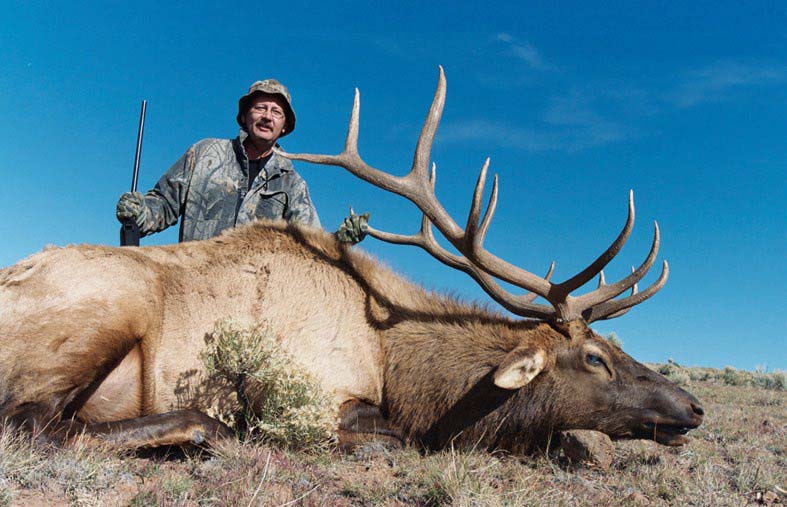
Mostly I enjoyed guiding elk hunters; being outside doing something I loved while interacting with interesting people from around the globe. Most years we provided elk hunters 80 percent quality shot opportunities and 50 percent success, nearly always on public-land hunts where the overall success rate topped 20 percent. With the right client, success rose to nearly 100 percent. We lived in elk country, spent a lot of time scouting and had decades of elk-hunting experience. Three reoccurring problems accounted for these numbers and are what largely made our jobs more challenging. In order of importance those were: hunters arriving in poor physical conditioning, hunters who couldn’t shoot proficiently under typical field conditions (particularly at longer Western ranges) and the inability to think on their feet.
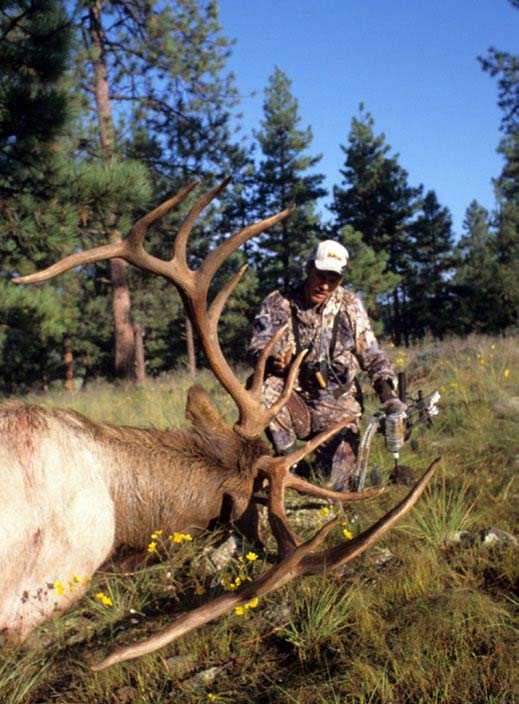
The first issue, physical conditioning, would undoubtedly rank as nearly any elk guide’s No.1 gripe. Elk hunting is unequivocally physical. Habitat is vast, rough and situated at altitudes where oxygen is scarce. Elk are highly scattered and finding them means covering a lot of ground, even when a guide has invested in preseason scouting. Despite approaching wild country horseback, or atop an ATV, a certain amount of shank’s mare is invariably involved on nearly every elk hunt. This is true even of easier privateland ventures—but especially harder-hunted public lands where elk are quickly pushed out of more accessible areas. And what if a trophy bull is glassed out of range across a wide canyon; will you have the stamina needed to push across that canyon and into range before he disappears into swallowing cover?
The better physical conditioning you’re in, the better your chances of elkhunting success. And the more enjoyable your elk-hunting experience will prove. If you’re going it on your own on public lands, this goes double. Oldfashioned running/jogging, hill sprints, mountain biking in steep terrain and similar workouts should be part of your preseason preparation. Our clients from urban areas generally visited the gym, joining spin or aerobics classes or working the Stairmaster and treadmill.
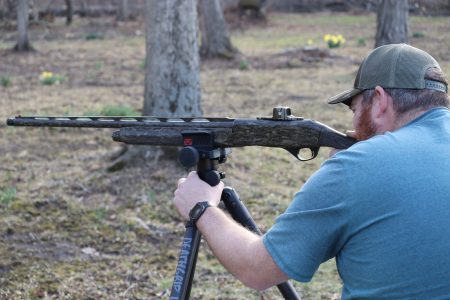
There is no such thing as a rifle-shooting natural. Competent shooting is earned through smart practice—the more the better. My deadliest elkhunting clients were often varmint shooters accustomed to field-shooting conditions. One common problem is many hunters shoot only from benches or over solid rests. This is necessary for sighting in and load/ammo testing, but real practice should include prone, sitting, kneeling and offhand drills. There are no benchrests in elk hunting. I always recommend adding a bipod that allows shooting while sitting (in case of high grass or brush), or solid shooting sticks, and practicing from these portable rests.
Thinking on your feet translates into keeping your cool and calmly implementing the skills you’ve developed during practice. Should a shot present itself the first priority should be evaluating range verses abilities, if getting closer is feasible, and seeking a viable rest. Don’t be the dummy that blazes away offhand at a 300-yard bull. Quickly get the range (you invested in a laser rangefinder, right?), determine if you need to get closer (granted your target animal is unaware of your presence) and glance around for a handy rest. Field rests might consist of a jacket or daypack tossed atop a log, stump or rock, pushing the rifle against a tree bole or fence post or an open spot to deploy your bipod and go prone. When shooting time arrives, talk yourself through obvious points to help calm frazzled nerves.
One-Trick Ponies
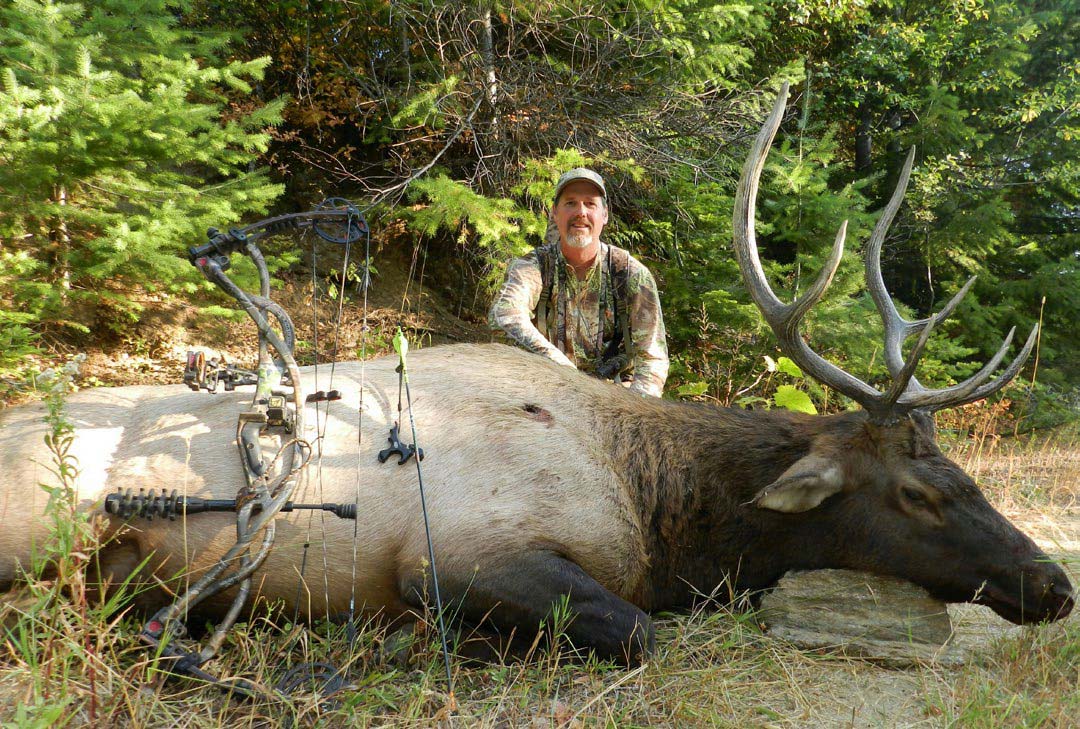
The guided bloke has it much easier, as all they must concentrate on is keeping up with their guide and shooting straight. The DIYer has more to deal with, as they are also responsible for finding elk—often in foreign territory— and applying the proper techniques to bring them within surefire range. The modern DIY elk hunter restricted to public lands must be a better-rounded hunter. In most cases, it really pays to avoid being wholly dependent on a single ploy, entering the field with a deeper bag of tricks.
For instance, when most hunters think elk hunting, calling automatically springs to mind. This is most pointed with bowhunters (though viable on muzzle-loader and rifle hunts during the September-early-October breeding season), as it is an exciting way to bring randy bulls in close—when timing is right and skills are sufficient. The problem arises with today’s savvier public-lands bulls. Calling is so popular odds are elk in harder-hunted areas have heard it all, educated by callers who entered the woods with minimal rehearsal and little understanding of what they were relating with particular calls or calling sequences and proper timing in the larger picture. That is an entire can or worms best left for another time, but let’s just say calling cannot be counted on for 100 percent of your success on public-lands bulls.
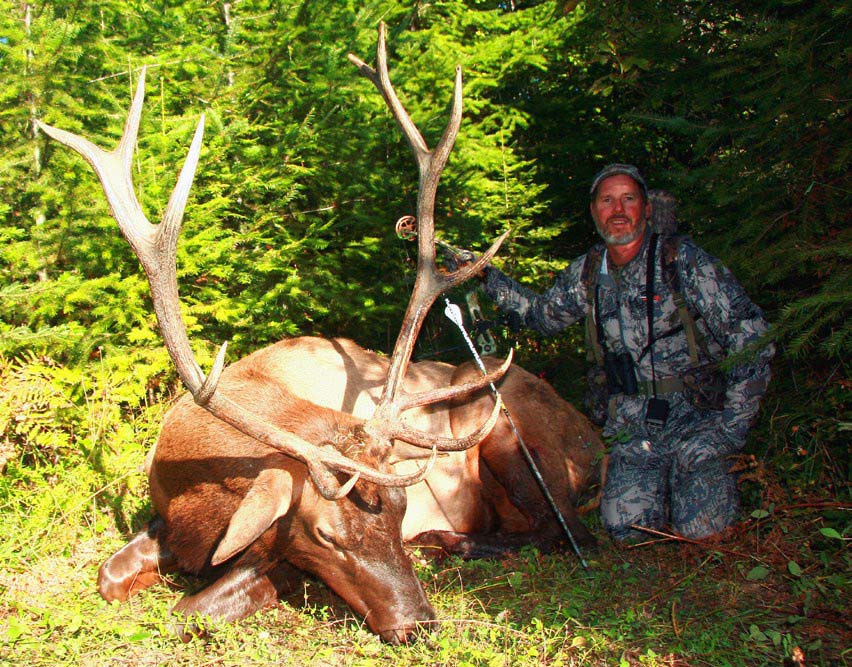
In some areas—thicker Roosevelt or loggingcountry reproduction habitats for instance—stand or blind sitting may prove most productive. In drier Southwestern elk habitats guarding water can bring easy success—if you can locate an unclaimed waterhole or spring. When dealing with herd bulls tending large cow harems, dogging bugling bulls may be your best approach. In still other cases patiently still-hunting (moving slowly/stealthily through heavy forest while soaking in surroundings) may prove the most productive ploy, while in more open areas spot-and-stalk glassing may be necessary when bulls aren’t sounding off.
Arriving in elk country with preconceived notions and a single plan of attack is generally a recipe for failure. Successful modern elk hunters remain open minded, think outside the box and quickly adapt to the conditions found in a particular habitat during a specific timeframe, including weather, hunting pressure and current range conditions that entails.
Narrowing Prospects
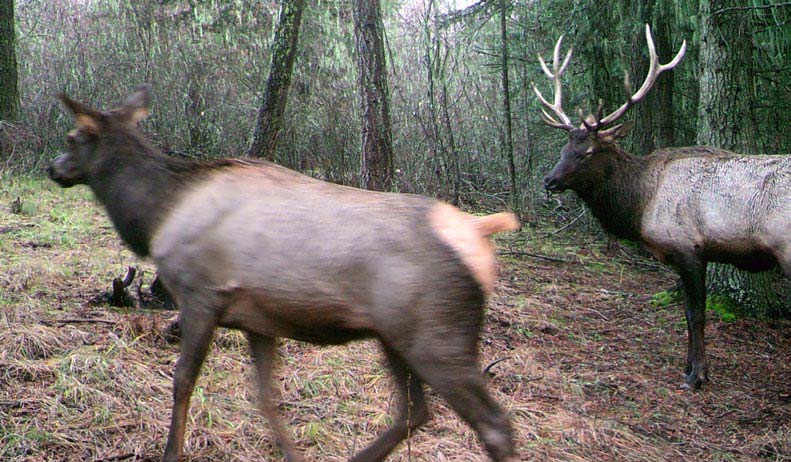
Hunting techniques well aside, the bigger problem for DIY public-land hunters is locating elk initially. Elk country can prove vastly intimidating, with large portions of prime habitat completely devoid of game. Adding to the confusion, elk are constantly on the move, here today, gone tomorrow. Finding and staying in elk becomes a matter of reading habitat, anticipating how they will react to pressure and finding sanctuaries where they retreat or remain unmolested by competing hunters—and, yes, some amount of luck.
Remaining observant is first priority. For instance, you may find one corner of a unit seems to have received more moisture than another, providing plenty of feed while other areas appear parched. Some areas may have been extensively grazed while others remain unsullied by livestock. Elk are large animals that live by their stomachs and will follow the food. Map work is just as important, using first general Forest Service or Bureau of Land Management (BLM) maps to determine where hunting pressure is most likely to originate and corners of habitat elk are least likely to be disturbed—usually translating into areas requiring more effort to access due to distance, large topographical barriers (deep canyons, high ridges) or private-land in-holdings that must be skirted. This is scouting that can be conducted from the comfort of home well before arrival.
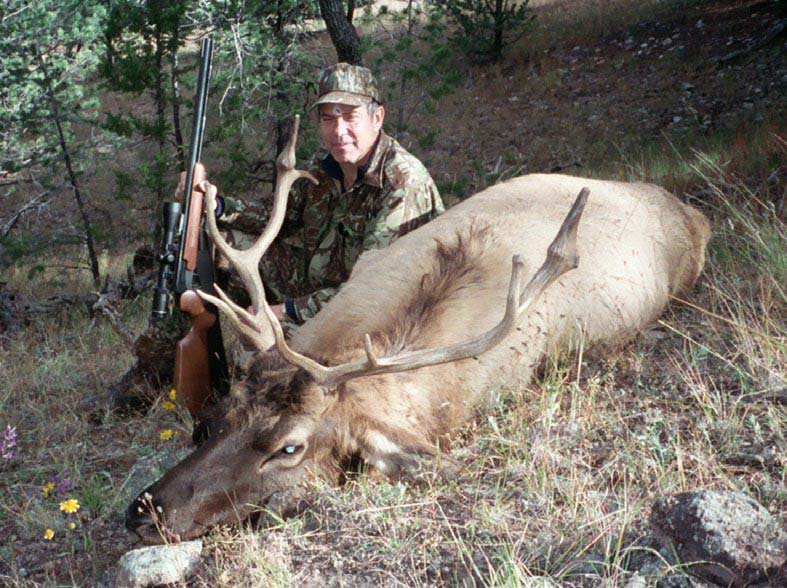
One of my favorite tricks requires cutting into sleep time. Instead of waking to hunt at 4 or 5 a.m., I leave camp by 2 or 3 a.m. I stop at road corners overlooking large pieces of habitat or even at random intervals to listen for distant bugling. After sitting 20-30 minutes I’ll offer a bugle to encourage retorts. If a talkative bull is located I mark it and move on to seek additional options. With shooting hours approaching I hurry back to the most promising spot and begin hunting. In extreme cases, I’ve stayed out all night, stopping at marked spots, even climbing mesas or ridges to better hear into adjacent country. Warm midday down hours is always available to catch up on sleep…
There’s no doubt elk hunting has become more popular than ever, subjecting elk to increased pressure in some cases, or at least making the tag drawn only occasionally that much more urgent. Make the best of your elk-hunting efforts—guided or on your own—by arriving in the best shape of your life and with shooting skills honed, and also willing to work harder than other hunters to make your dreams of mighty antlers come true.
By Patrick Meitin
Per our affiliate disclosure, we may earn revenue from the products available on this page. To learn more about how we test gear, click here.